


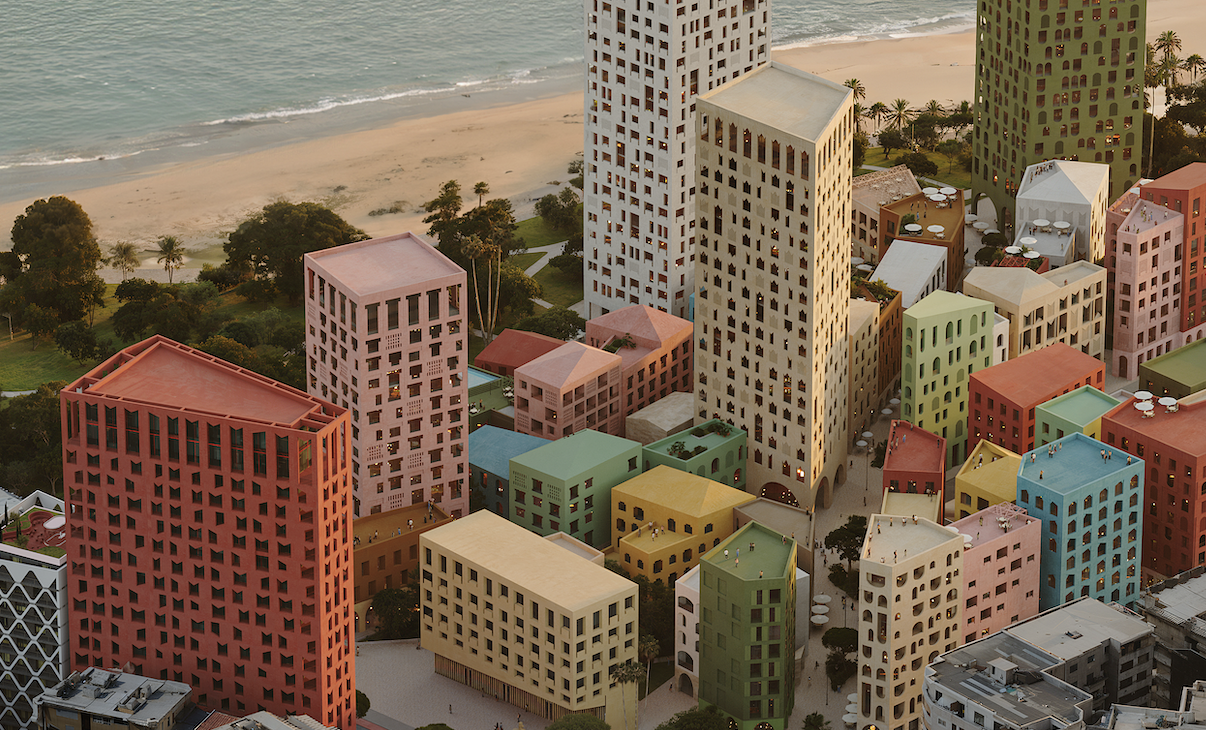
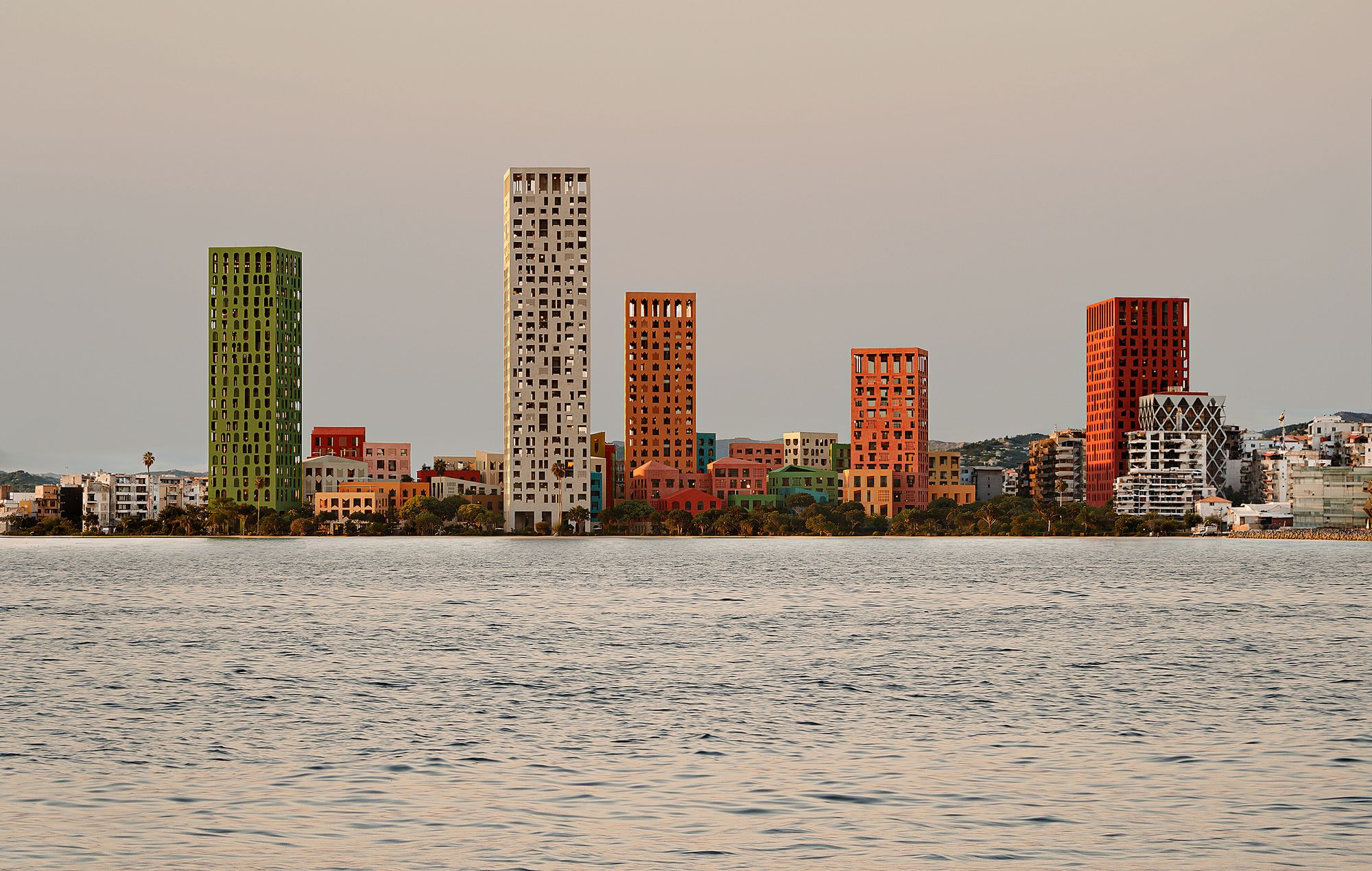
On Vlore’s waterfront, a new urban development is taking shape—one that draws equally from Albanian tradition and the demands of contemporary city life. The Vlore Beach Urban Development reconnects the city and the sea through an human-scaled structure, a strong communal spine, and a finely layered architectural language.
One of Albania’s fastest-growing coastal cities, Vlore is entering a new chapter—not only in terms of expansion, but also in mindset. Strategically positioned along the waterfront, the Vlore Beach Urban Development links the historic city core with the natural landscape of the Soda Forest and the new marina, while seamlessly aligning with the urban rhythm of the Lungomare promenade. In a rapidly transforming environment, the project functions simultaneously as an urban gateway, a cultural reference point, and a catalyst for life along the coast.
But what is a nukli?
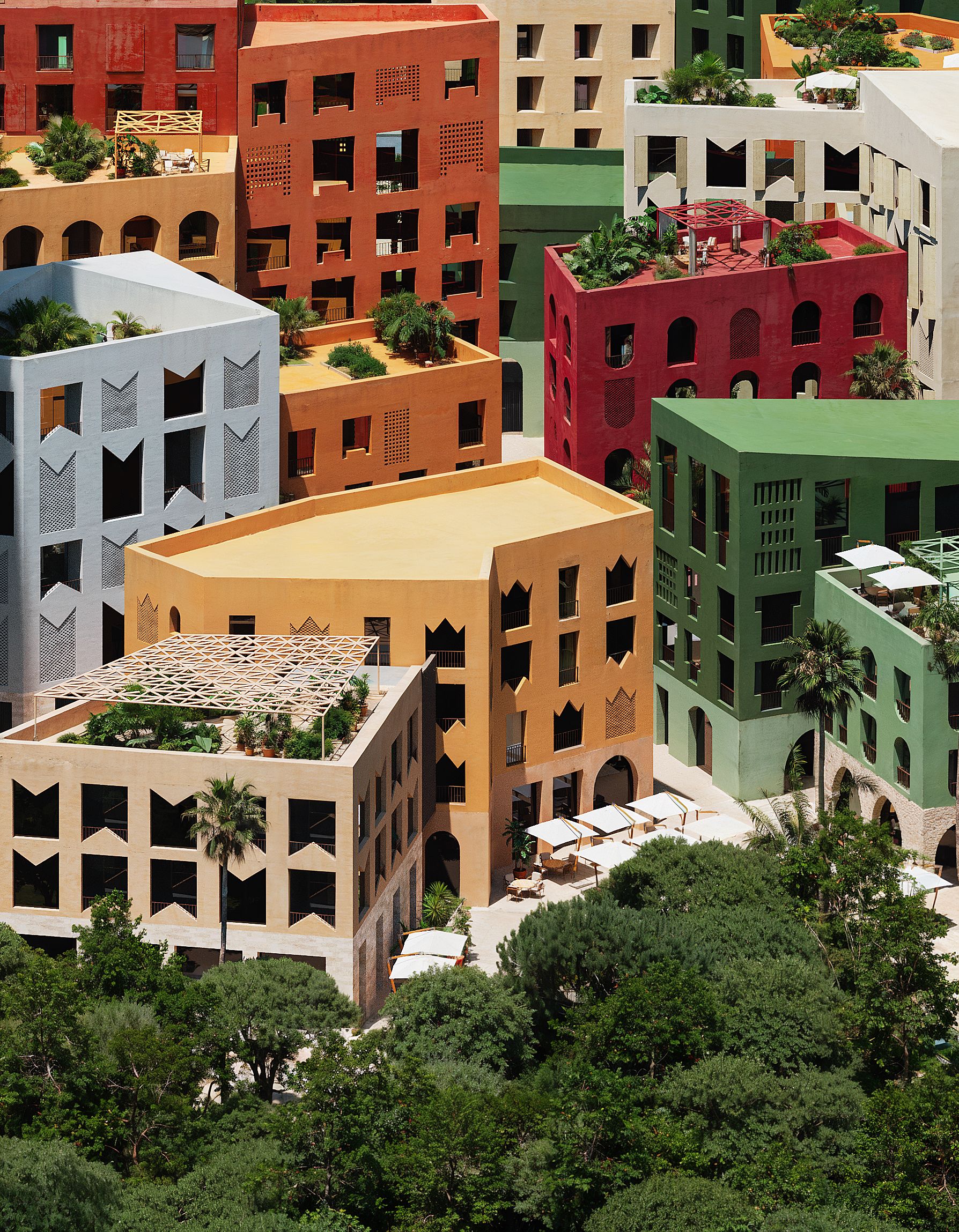
The conceptual backbone of the development is the nukli—a spatial principle rooted in traditional Albanian settlement patterns. Spanning more than 20,000 square meters of land and nearly 90,000 square meters of built area, the project is organized around human-scaled, interconnected building clusters that resemble dense village formations rather than conventional urban blocks. The structure is organic rather than hierarchical, generating a network of spaces, streets, and passages that come alive through everyday use.
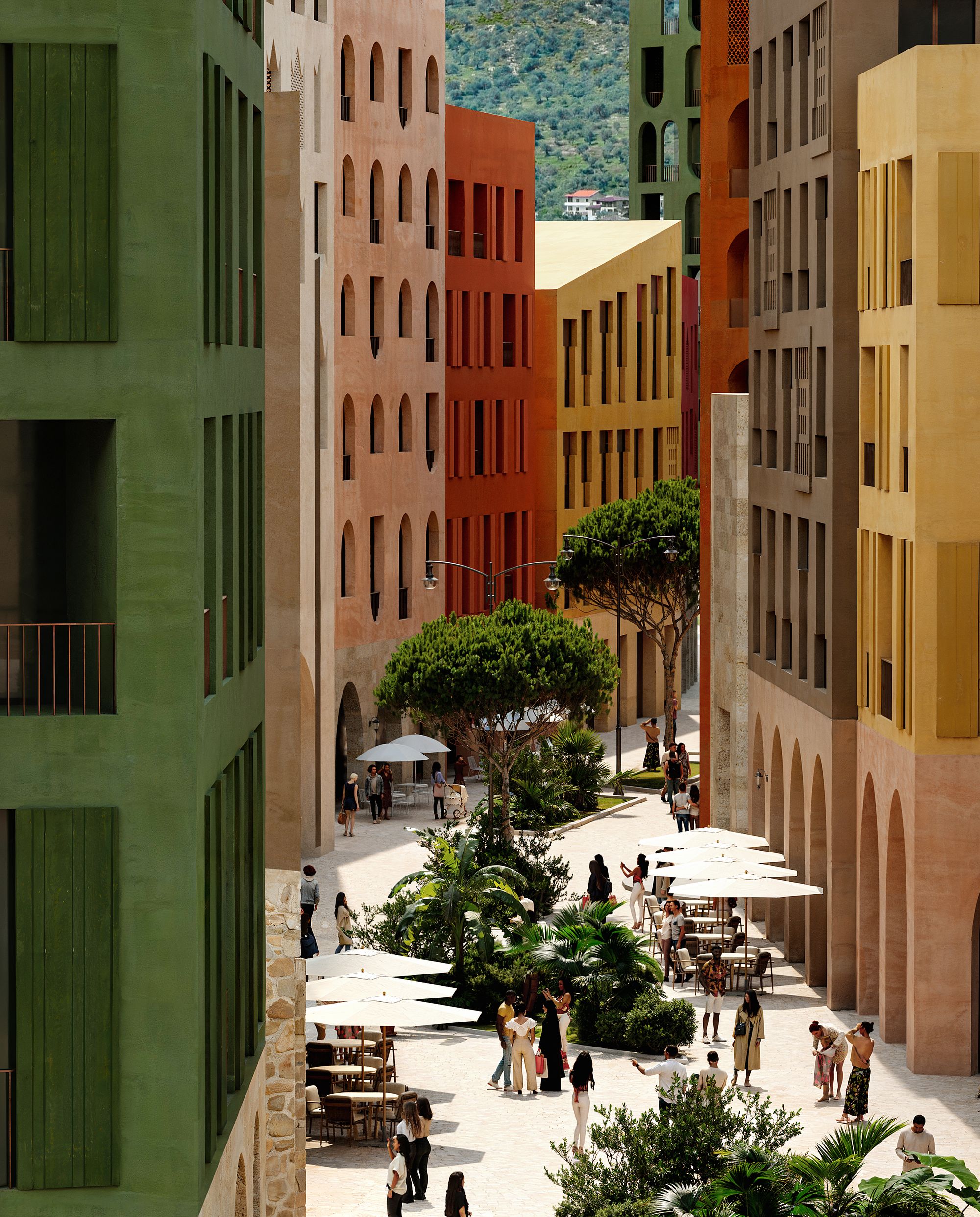
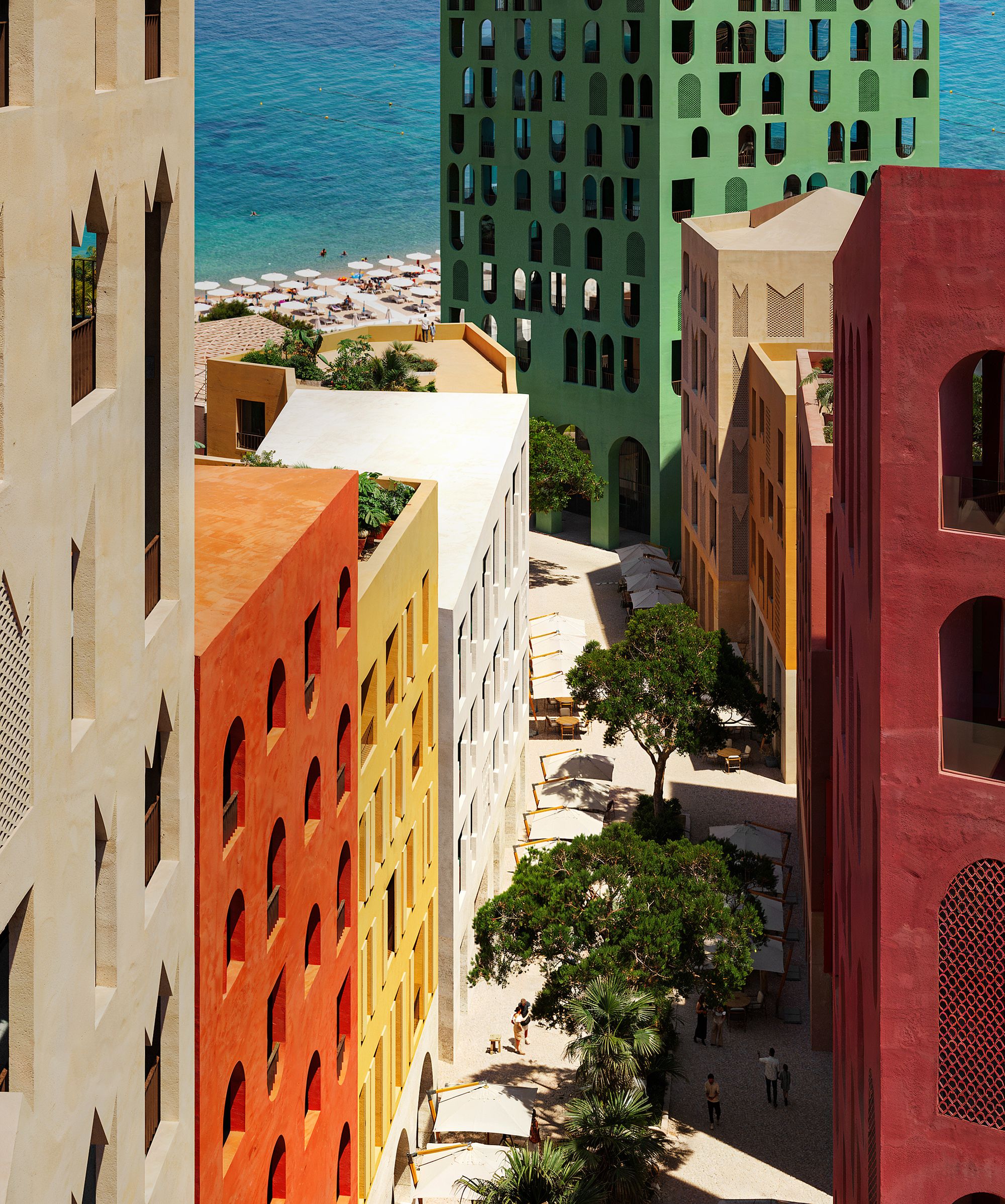
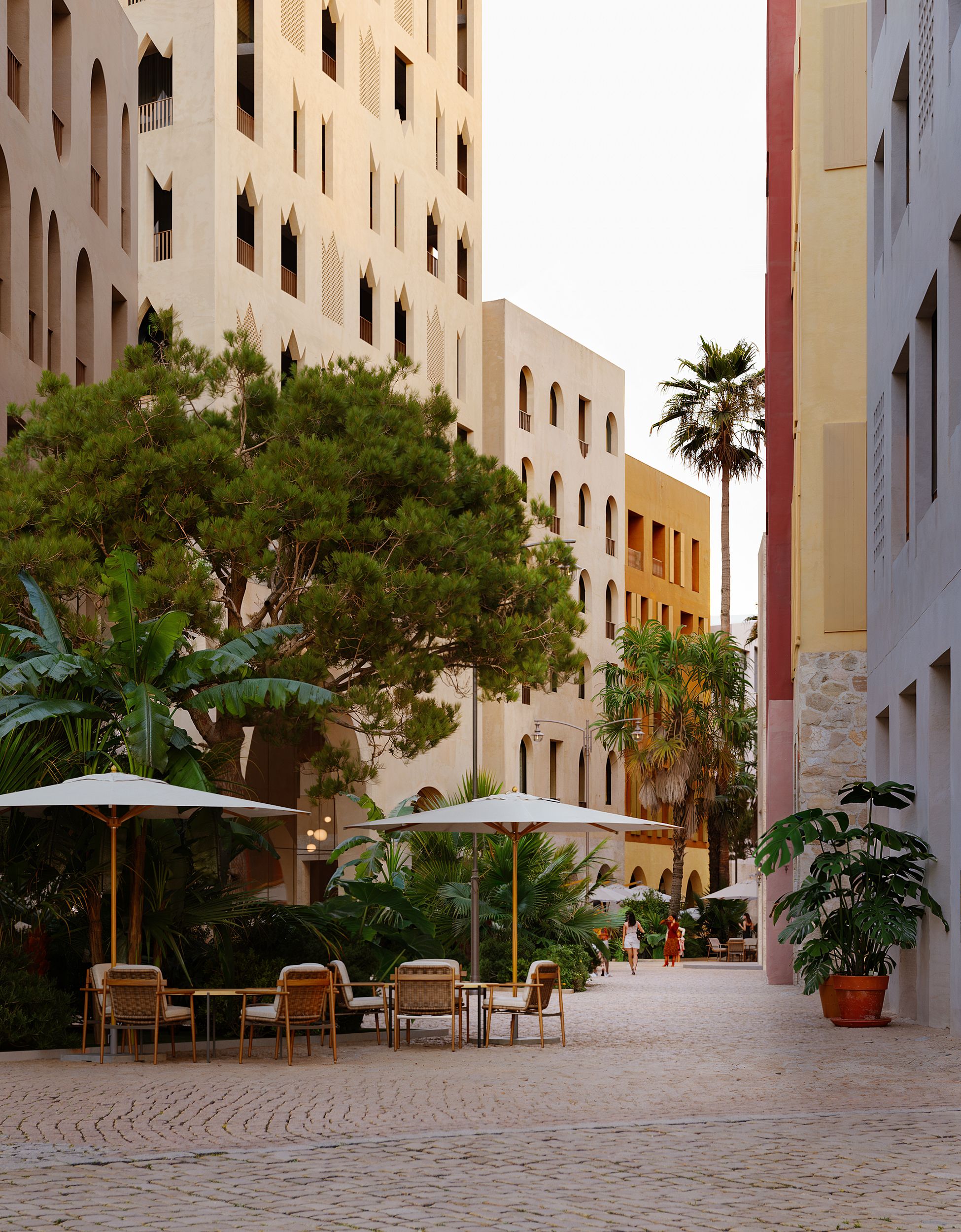
These nuklis are woven together by a central pedestrian axis that guides movement from the main boulevard all the way to the sea. More than a circulation route, this inner promenade forms the heart of the neighborhood. Cafés, shops, community spaces, and small public squares line its path, creating a setting where spontaneous encounters coexist with programmed events such as markets, festivals, and performances. The axis operates as an urban experience—maintaining a continuous visual and functional connection to the waterfront.
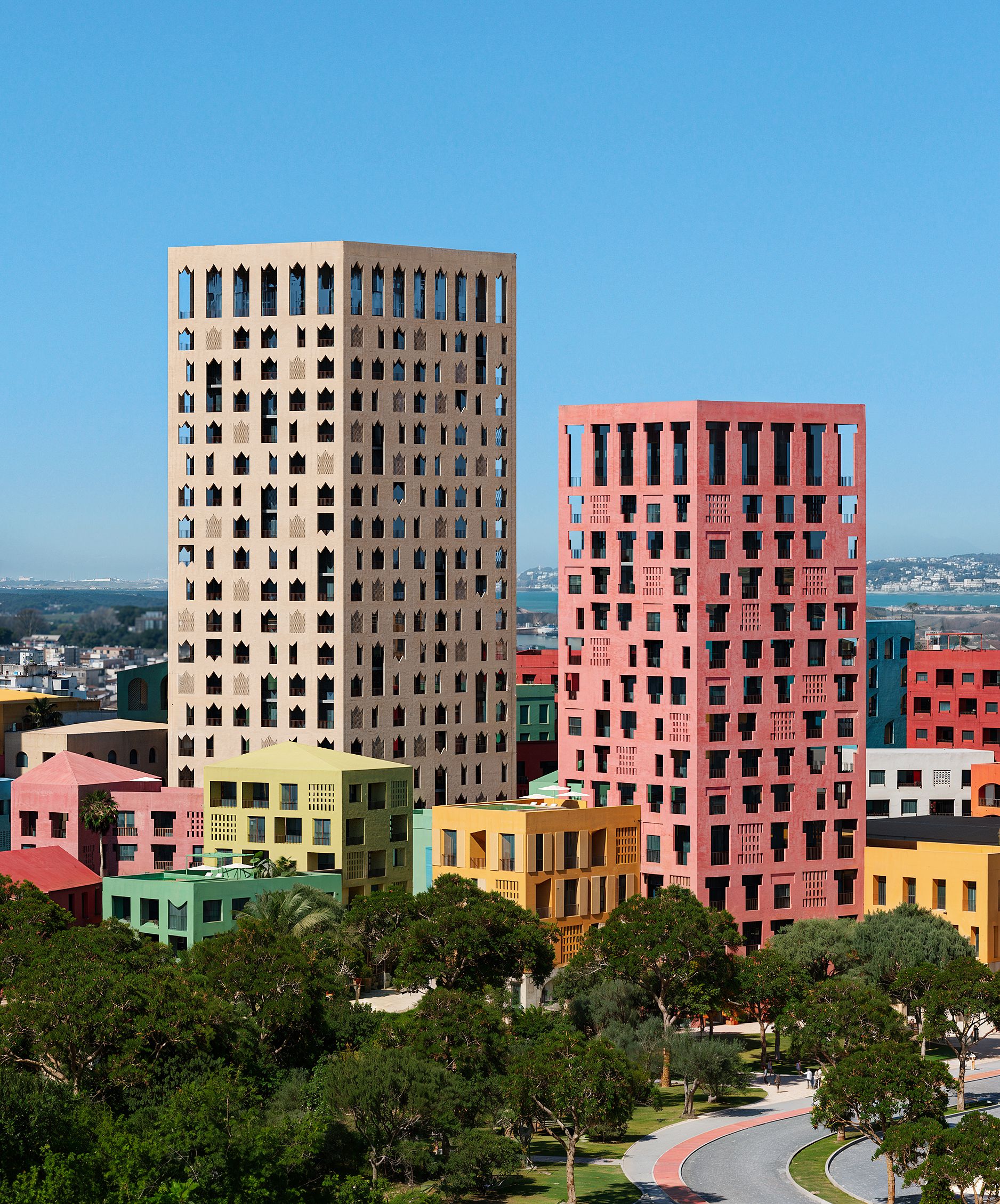
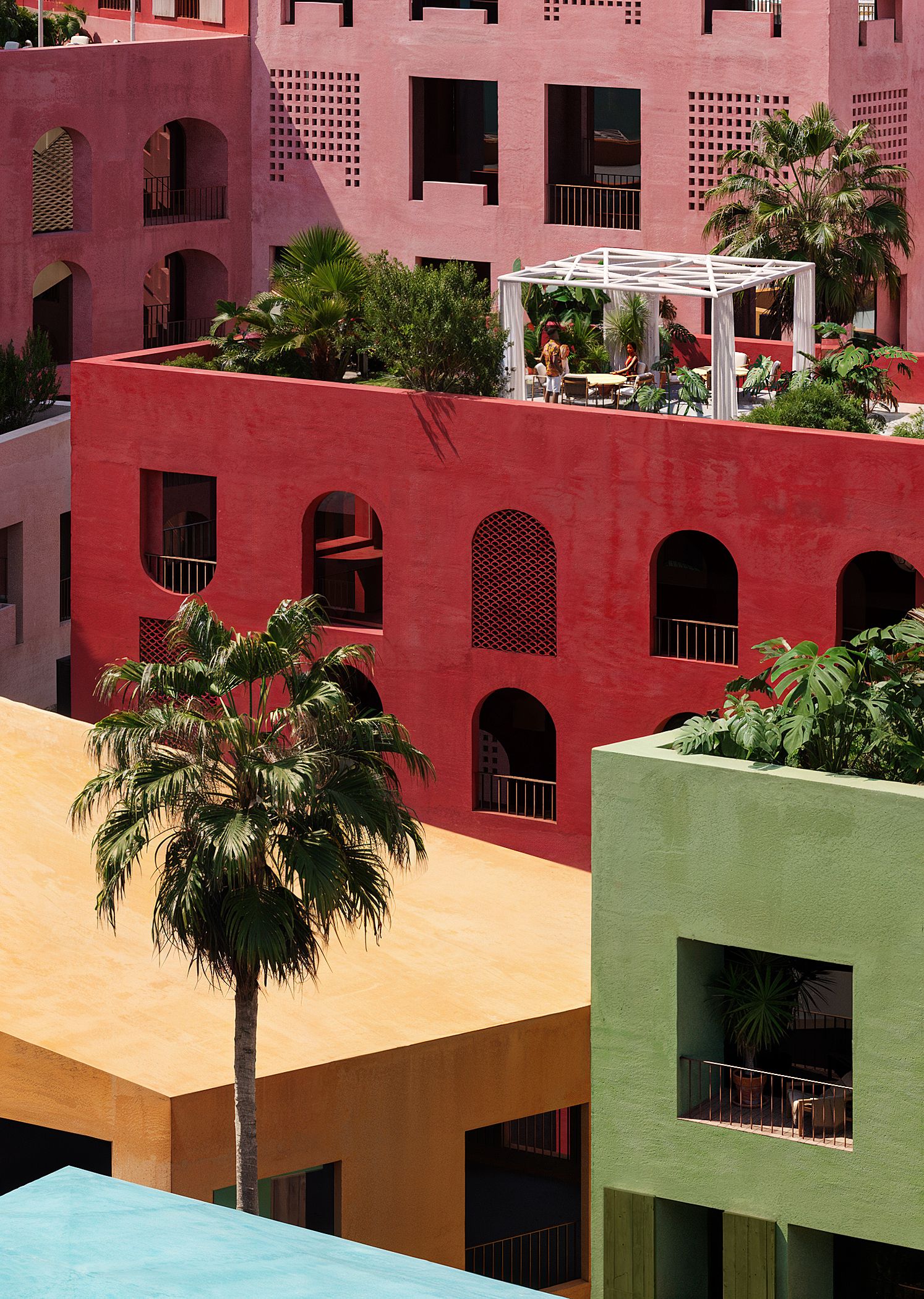
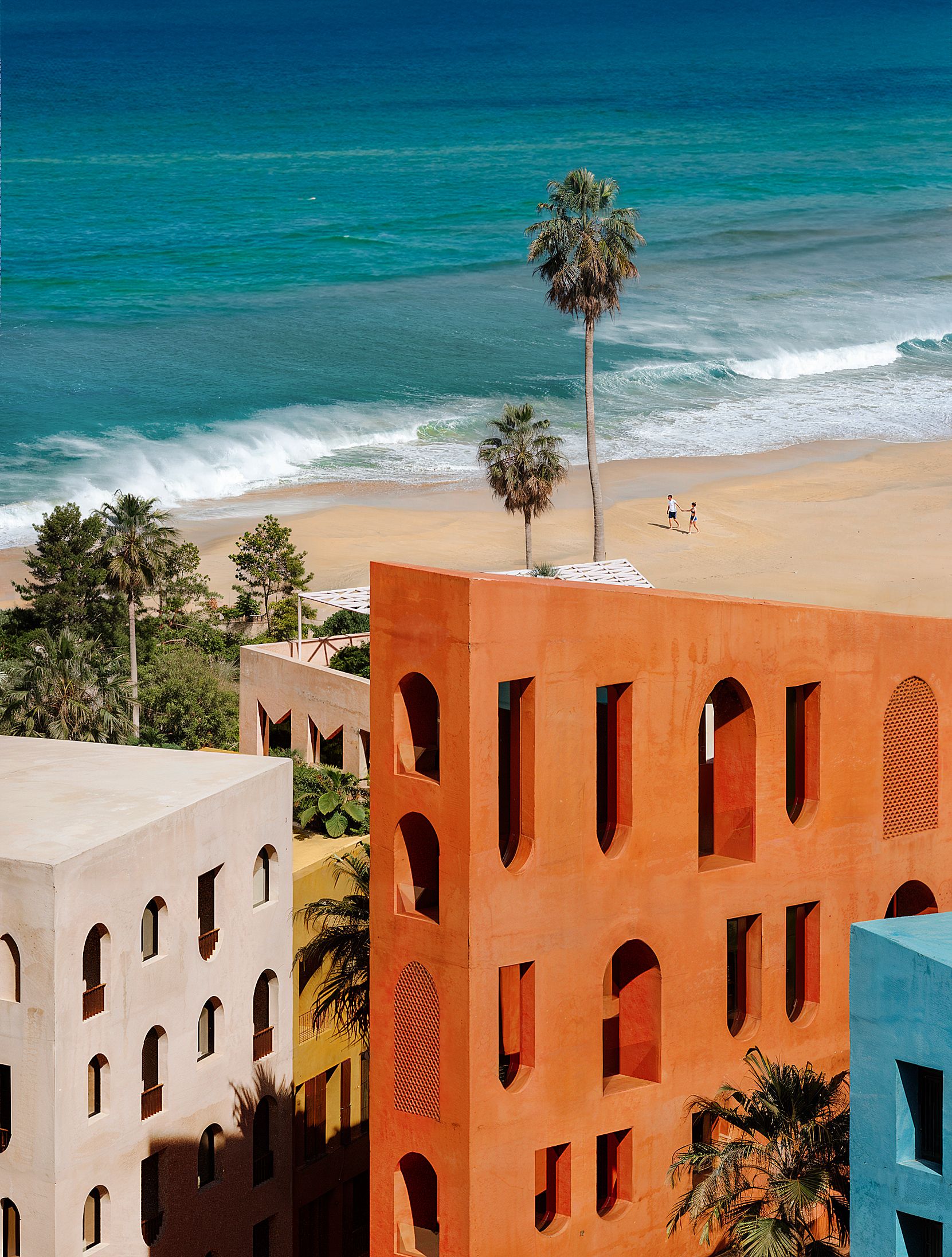
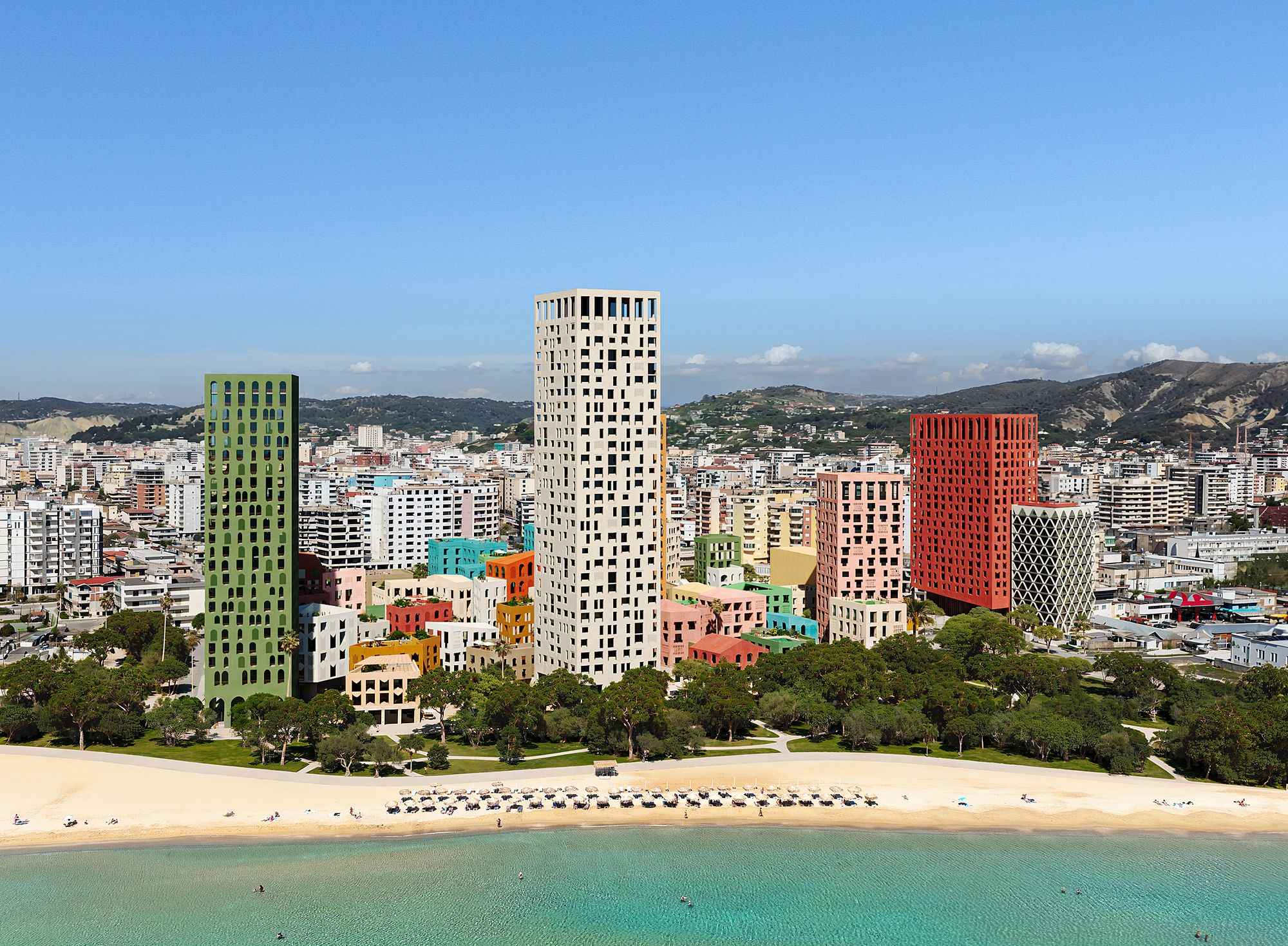
A Perforated Urban Fabric
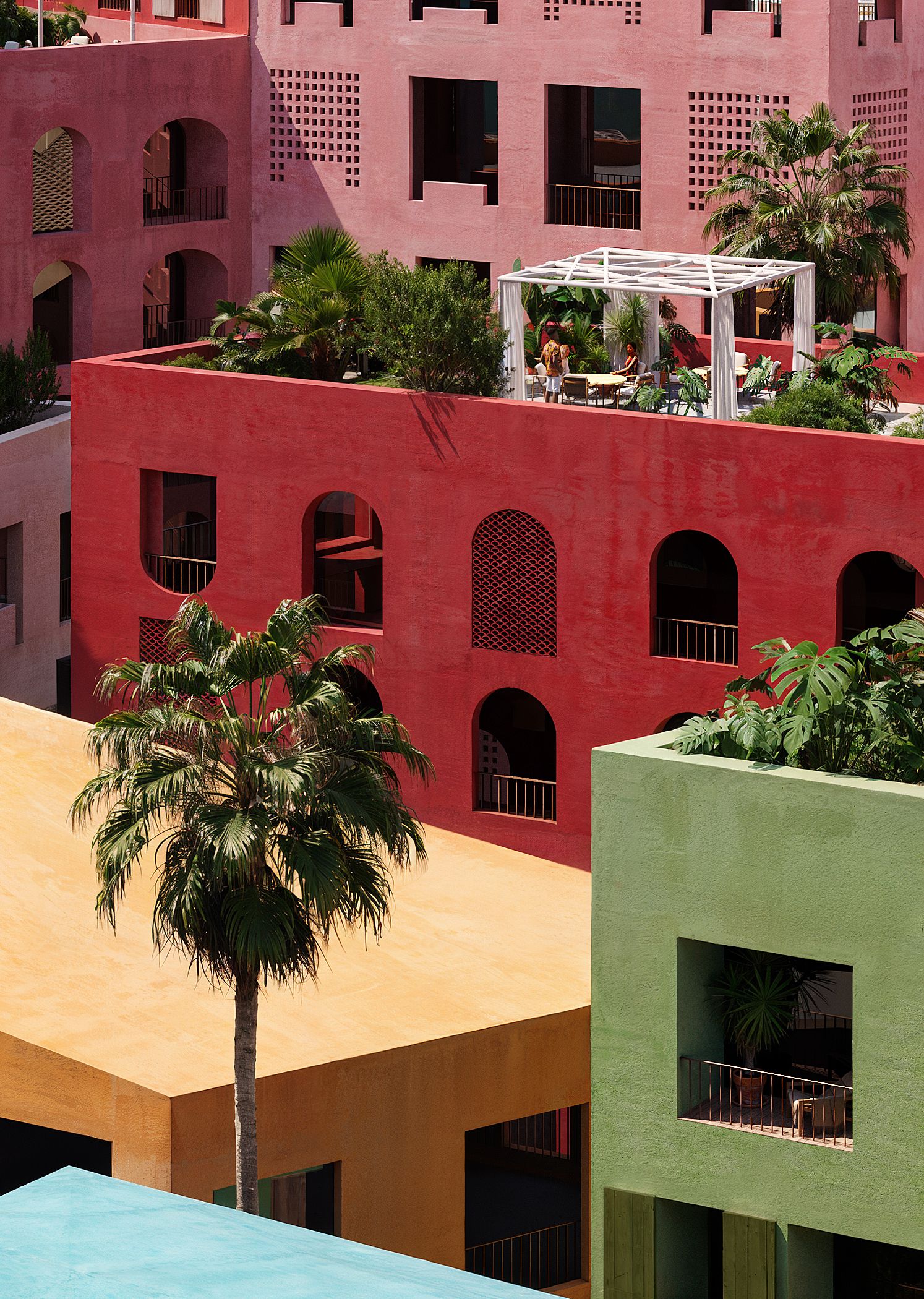
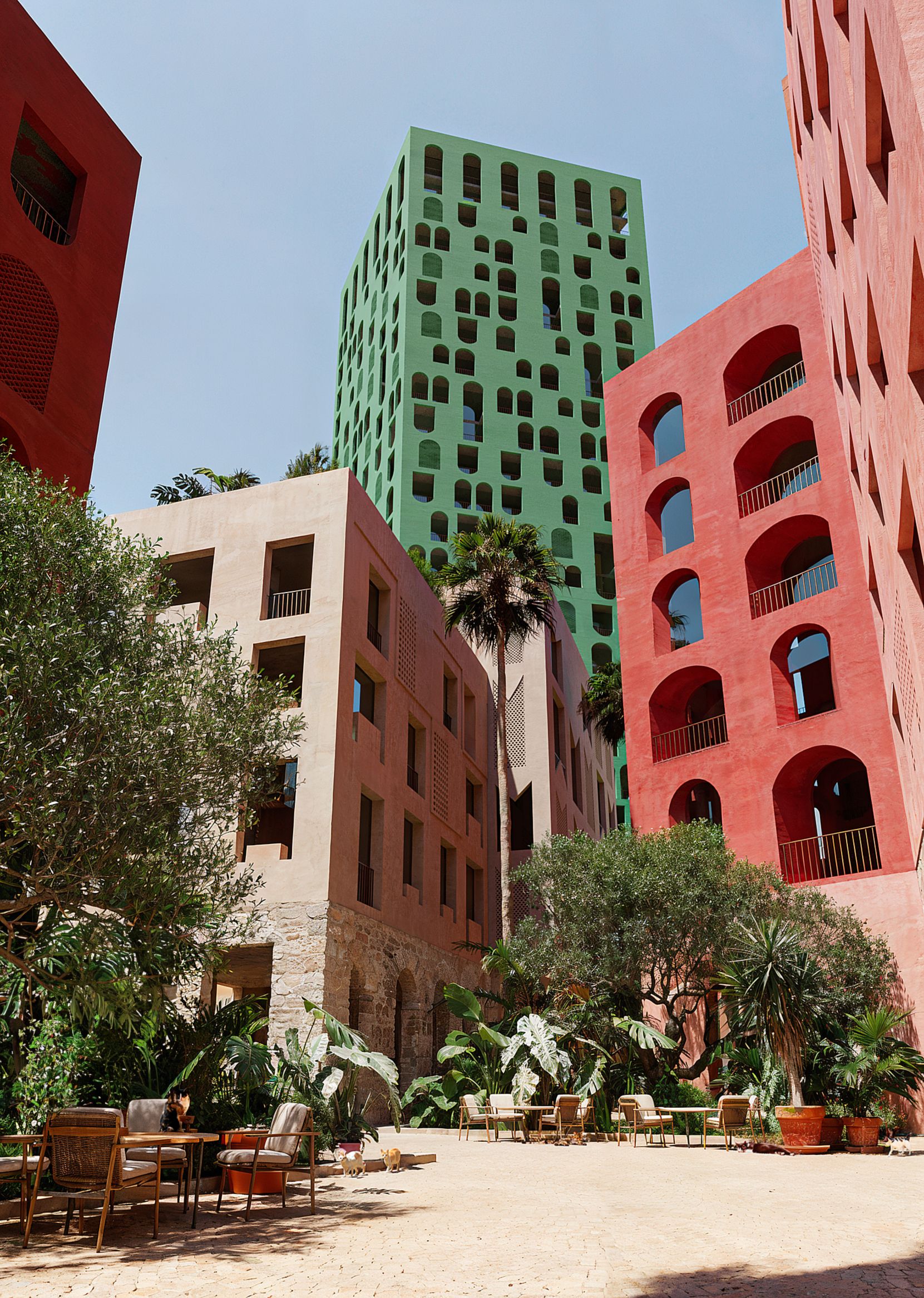
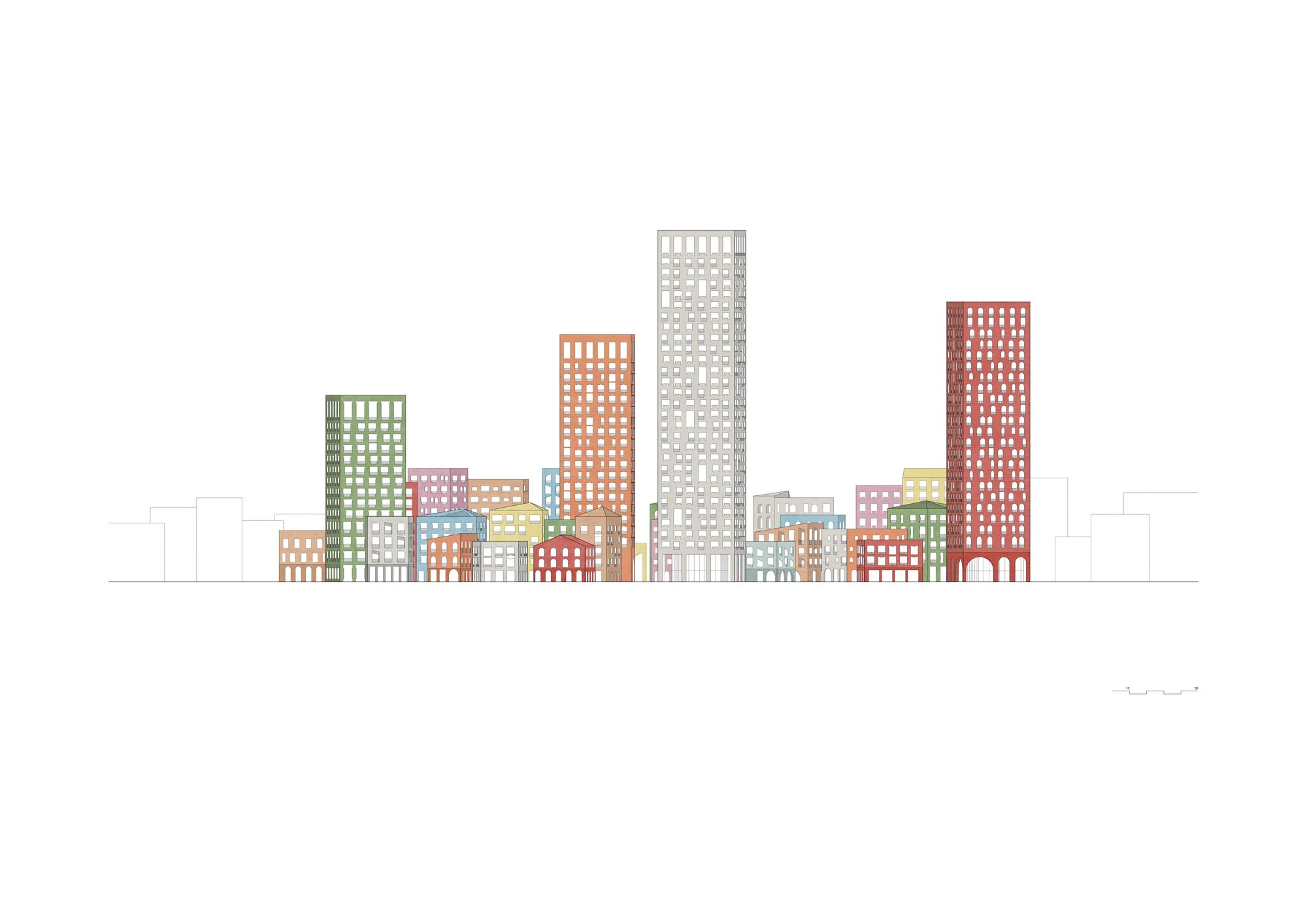
The architectural language remains deliberately restrained. The lower-rise buildings draw from local material traditions—stone, plastered surfaces, and wooden details—while translating them through contemporary proportions and detailing. Open ground floors activate the streetscape, while upper levels feature shutters, screens, and varied window openings that reference historical architecture without slipping into nostalgia. From within the dense, village-like fabric, three tower buildings rise to offer a new urban perspective and panoramic views of the Adriatic Sea. Rather than dominating the composition, these vertical elements complement the lower structures. Their placement preserves openness in public spaces, while their façade rhythms echo the proportions of the surrounding buildings. The result is a coherent architectural language that operates across multiple scales.
The Vlore Beach Urban Development reflects both local identity and future urban lifestyles. Rather than positioning itself as an iconic object, it redefines the waterfront as a livable, adaptable urban fabric—one where community, nature, and architecture coexist as equal forces shaping everyday life.
About Oppenheim Architecture
The Vlore Beach Urban Development is designed by Oppenheim Architecture, founded by Chad Oppenheim in Miami. Today, the practice operates between Miami, Basel, and New York, with a strong focus on large-scale, climate-responsive projects, particularly in waterfront and Mediterranean–subtropical environments. Across its work, the studio consistently explores massing and the orchestration of natural elements—light, air, and shadow—often expressed through a raw, monolithic architectural language.
Oppenheim Architecture: web | Instagram Facebook
Renderings: MIR