


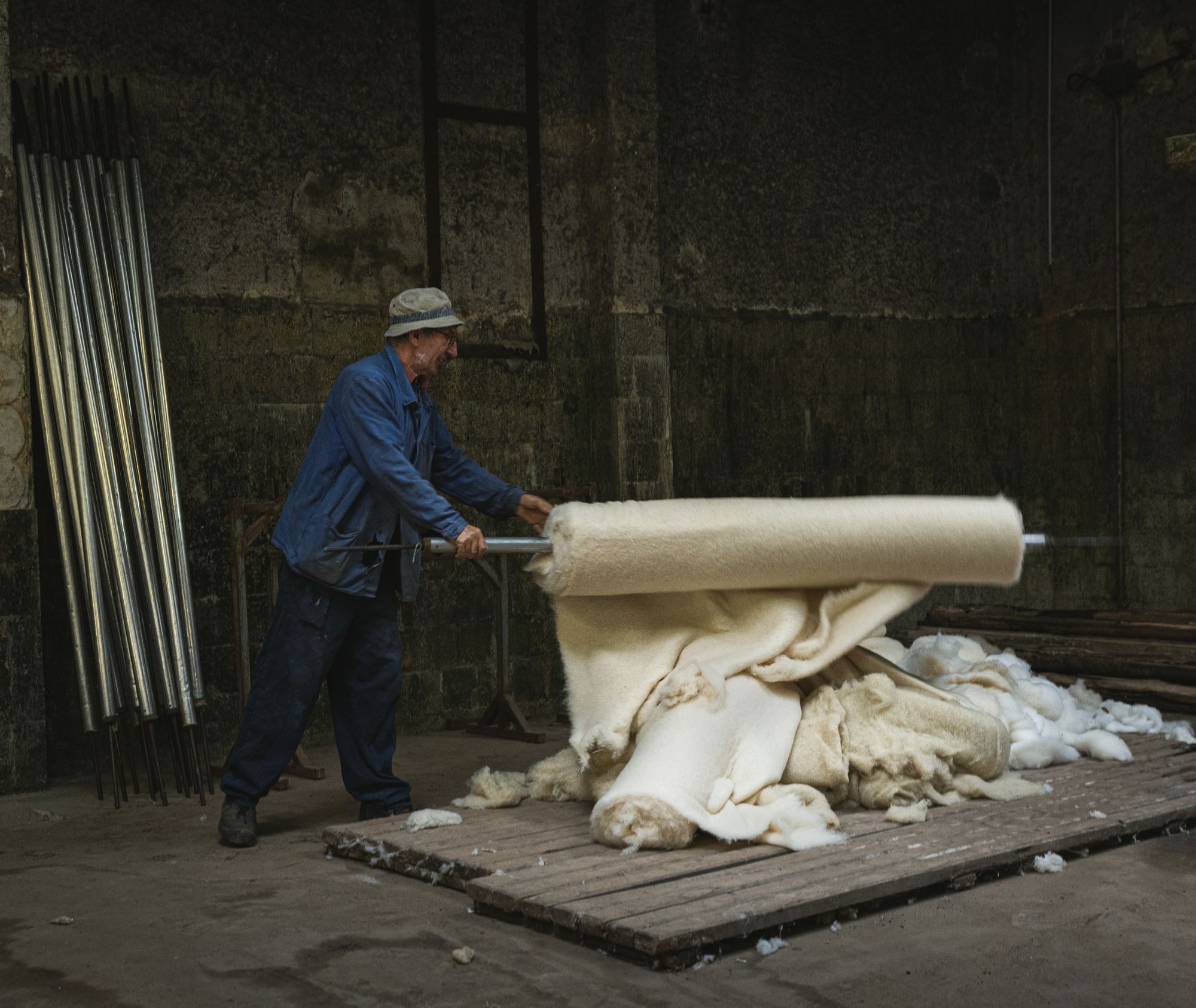
The Multifelt Factory in Kőszeg is the last remaining bastion of wool processing in the Central and Eastern European region. The 100% natural wool felt produced here simultaneously carries industrial-historical value and contemporary potential: it is made on the same machines as decades ago, yet today finds its place in design – in both the artisanal and industrial worlds. The factory preserves tradition while seeking new paths, where its noble past mixes with aesthetic excitement.
“At the Gyöngyös stream, flowing at the border of Kőszeg, local craftsmen were already fulling broadcloth from 1841, and soon afterwards the buildings that still stand today began to be erected,” begin the introduction with the two owners, Ilona Fodor and Éva Olasz.
“In 1896, a Prague-based hat manufacturer and his brother purchased the building – considered enormous at the time – together with its full equipment for 11,000 forints,” they continue.
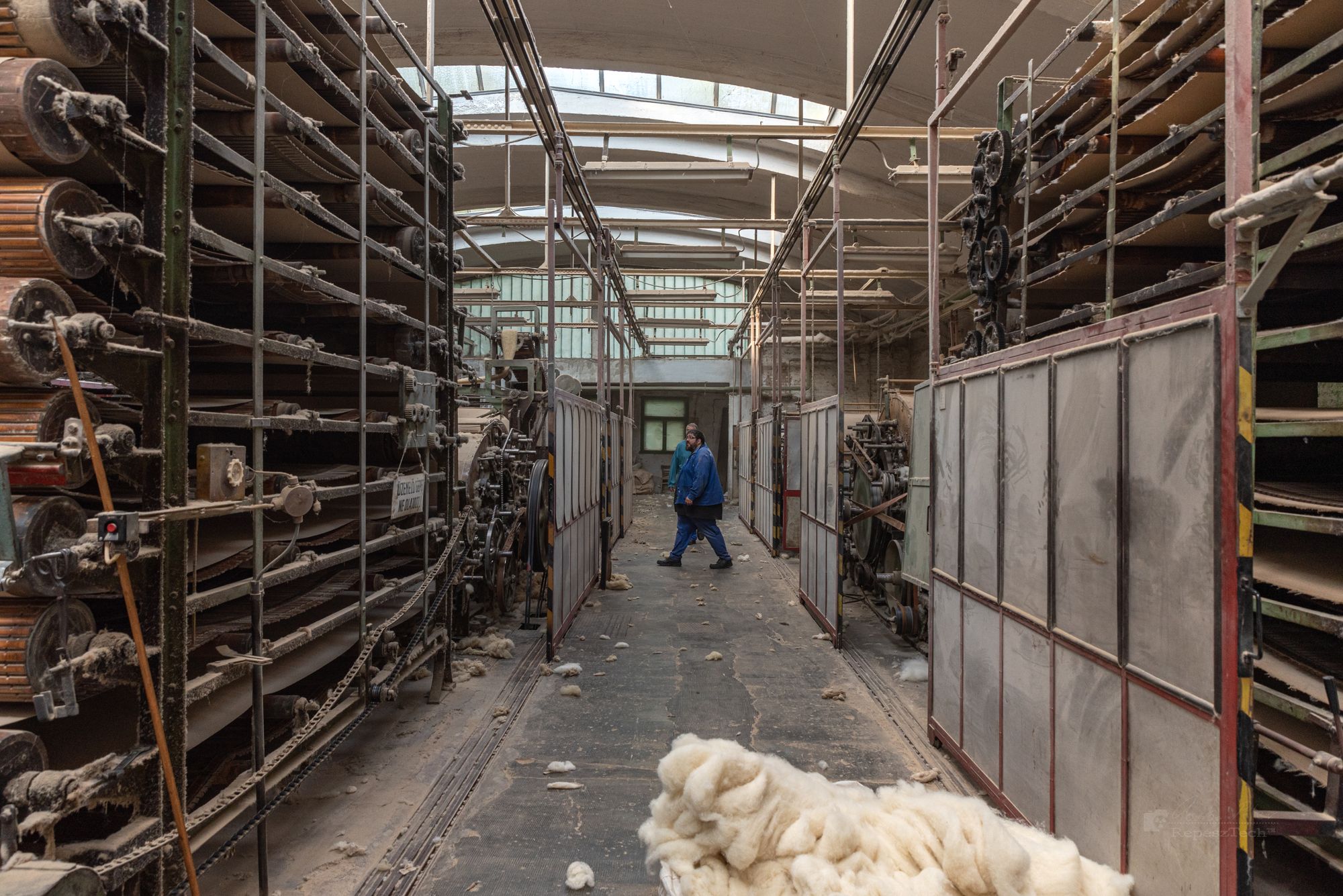
In documents, the plant is most often mentioned simply as the Eisner Brothers Felt Factory. Work there went on in two shifts, except on Sundays, and according to contemporary recollections, exports were mainly to the Russian, German, and Dutch markets. In 1927, the equipment of the Felt Factory was replaced: Vohl-type machines manufactured in the 1880s and dismantled from one of the factories in Czechoslovakia were installed in Kőszeg, some of which are still in operation today.
The Tradition-Preserving Manufacturers
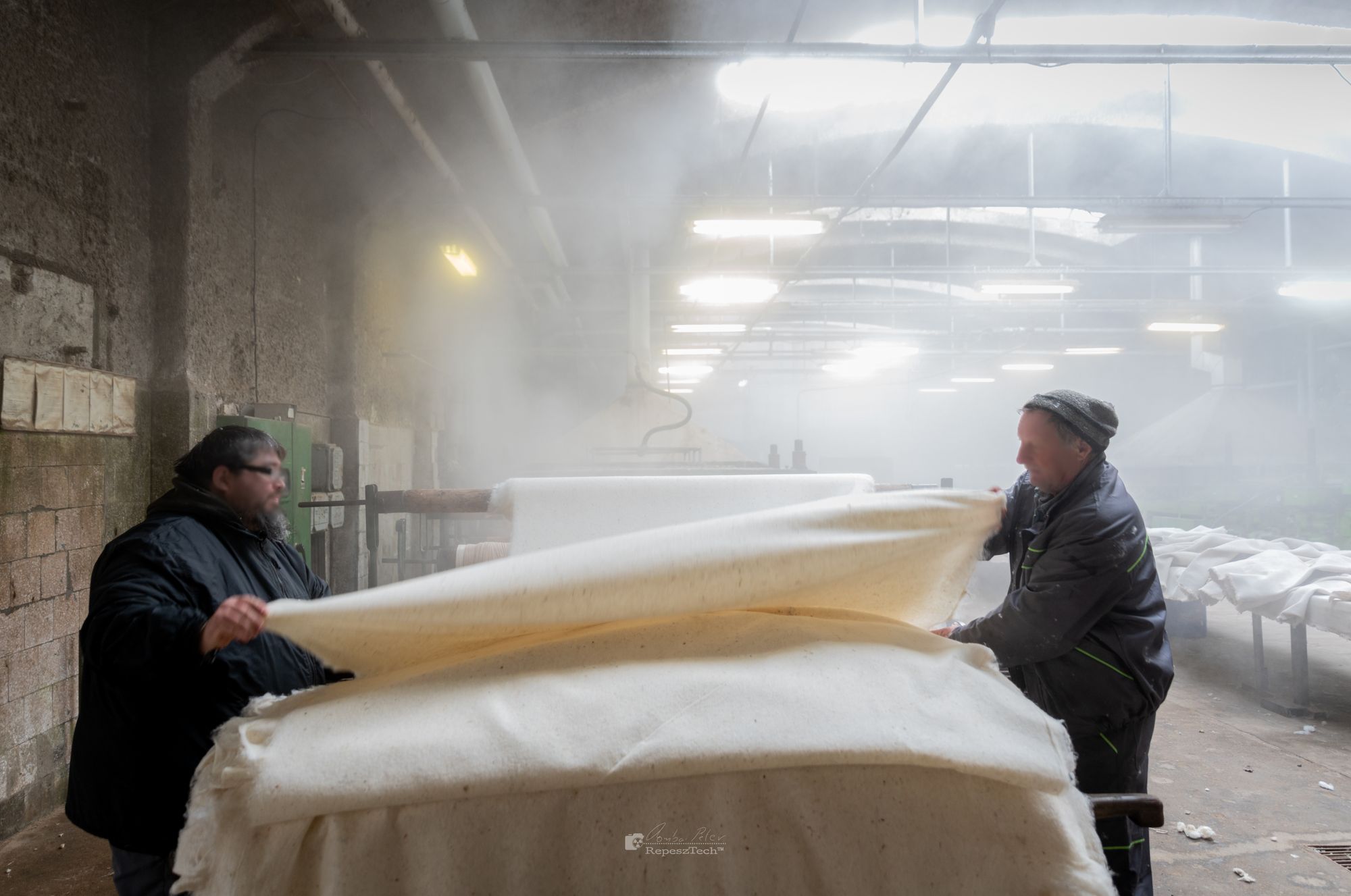
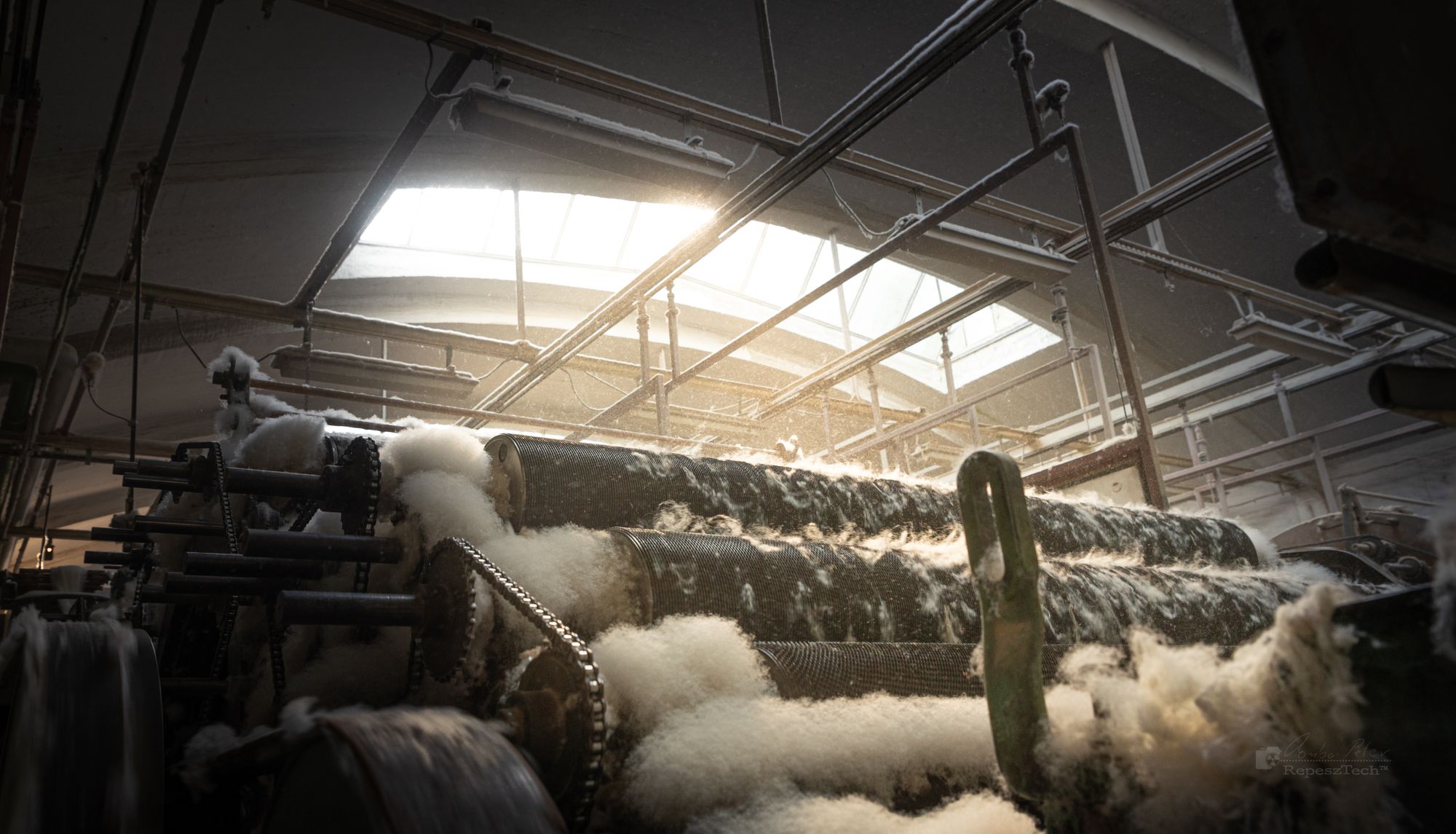
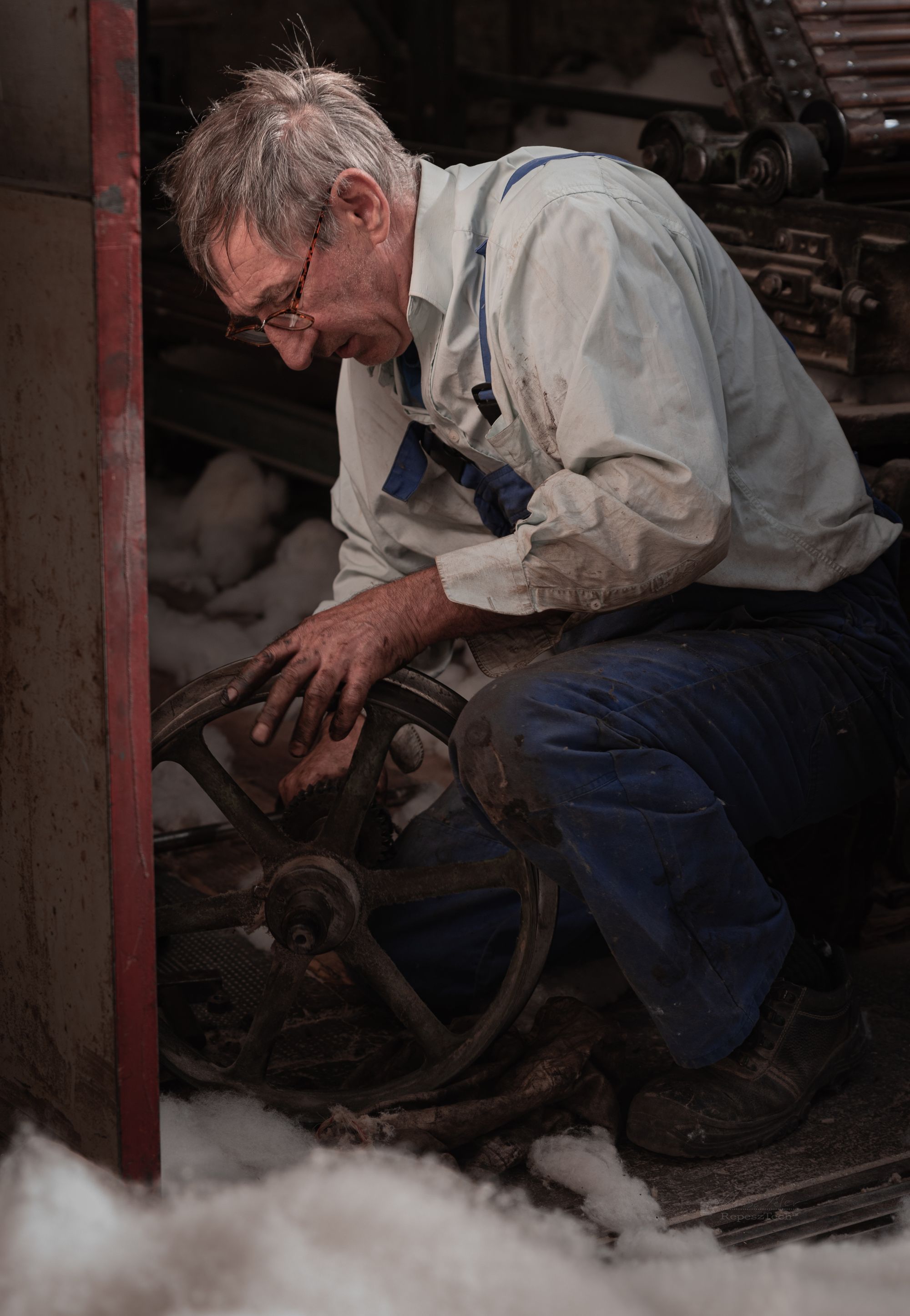
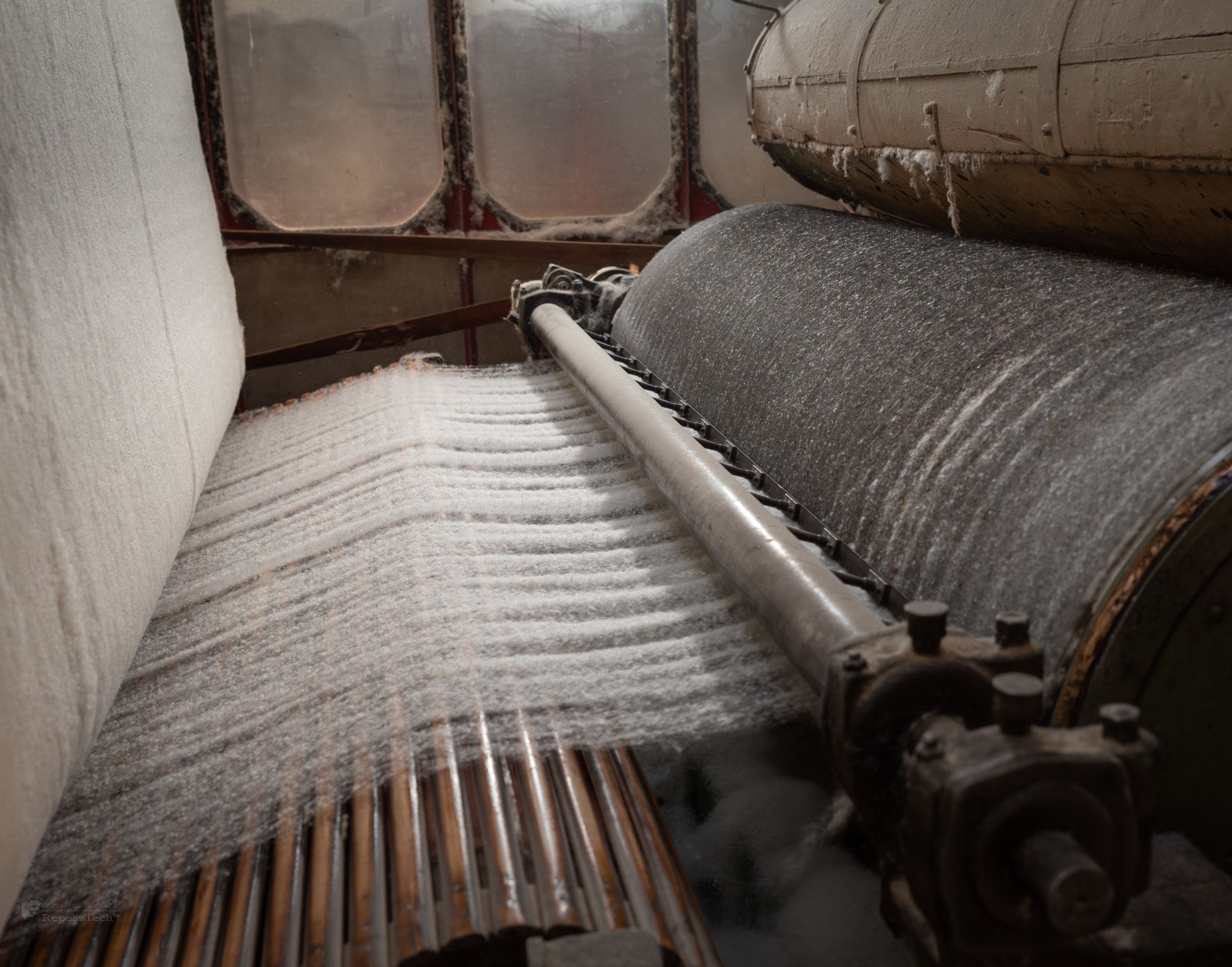
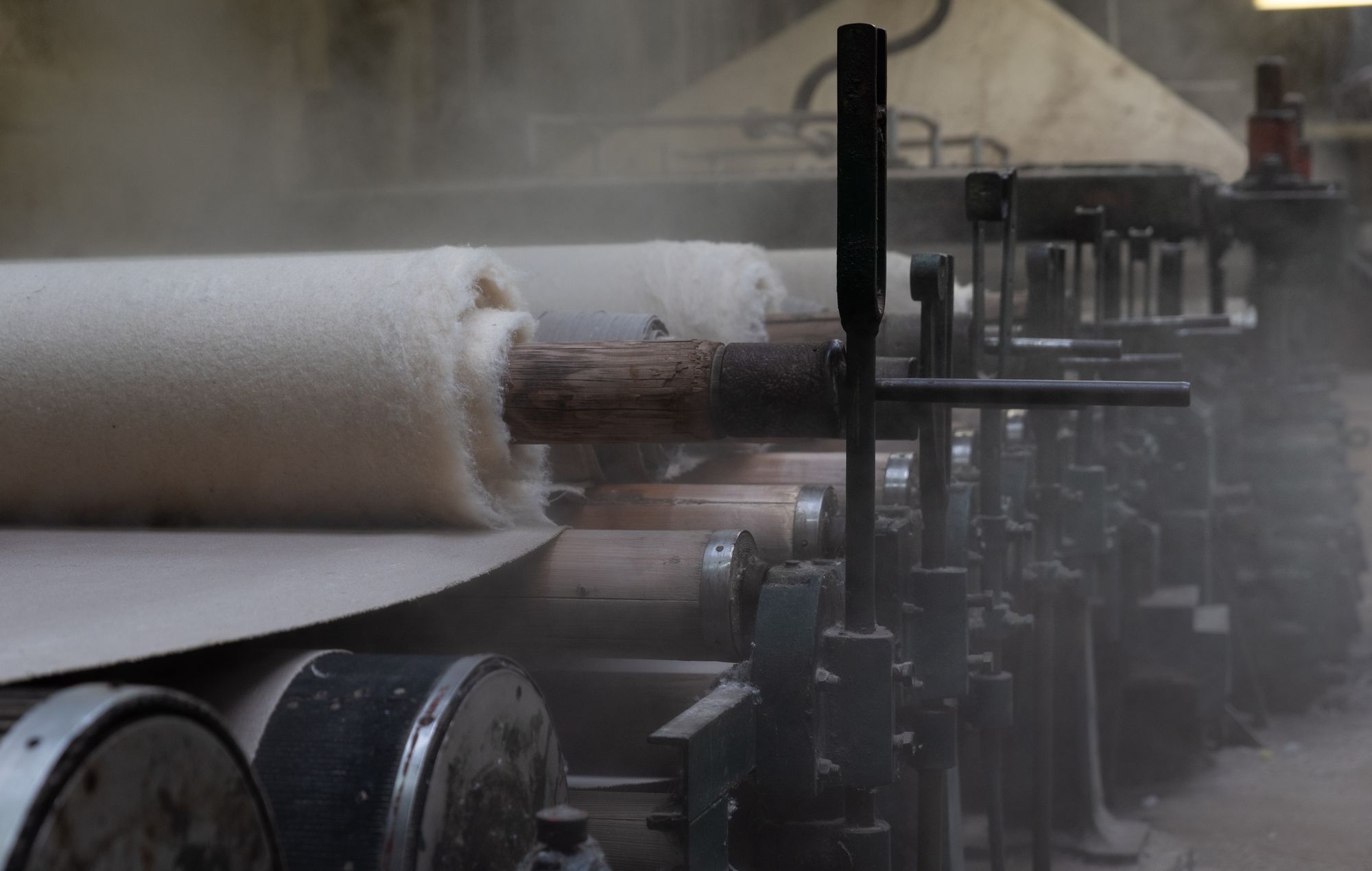
Within the walls of the venerable factory building, 11 workers currently produce outstanding quality wool felt. Nearly every step requires a separate worker, the order is strict, the old machines roar loudly – yet Ilona and Éva recount each stage with sparkling eyes: from the raw wool arriving in ton-sized bales, through the delicate work of the carding mechanic, all the way to dyeing.
“Here tradition is genuinely tangible, touchable; it’s not some pompous text on a website or a motivational sticker on our door,” they assert. “For us, the noise, steam, and vapor are part of our daily routine.”
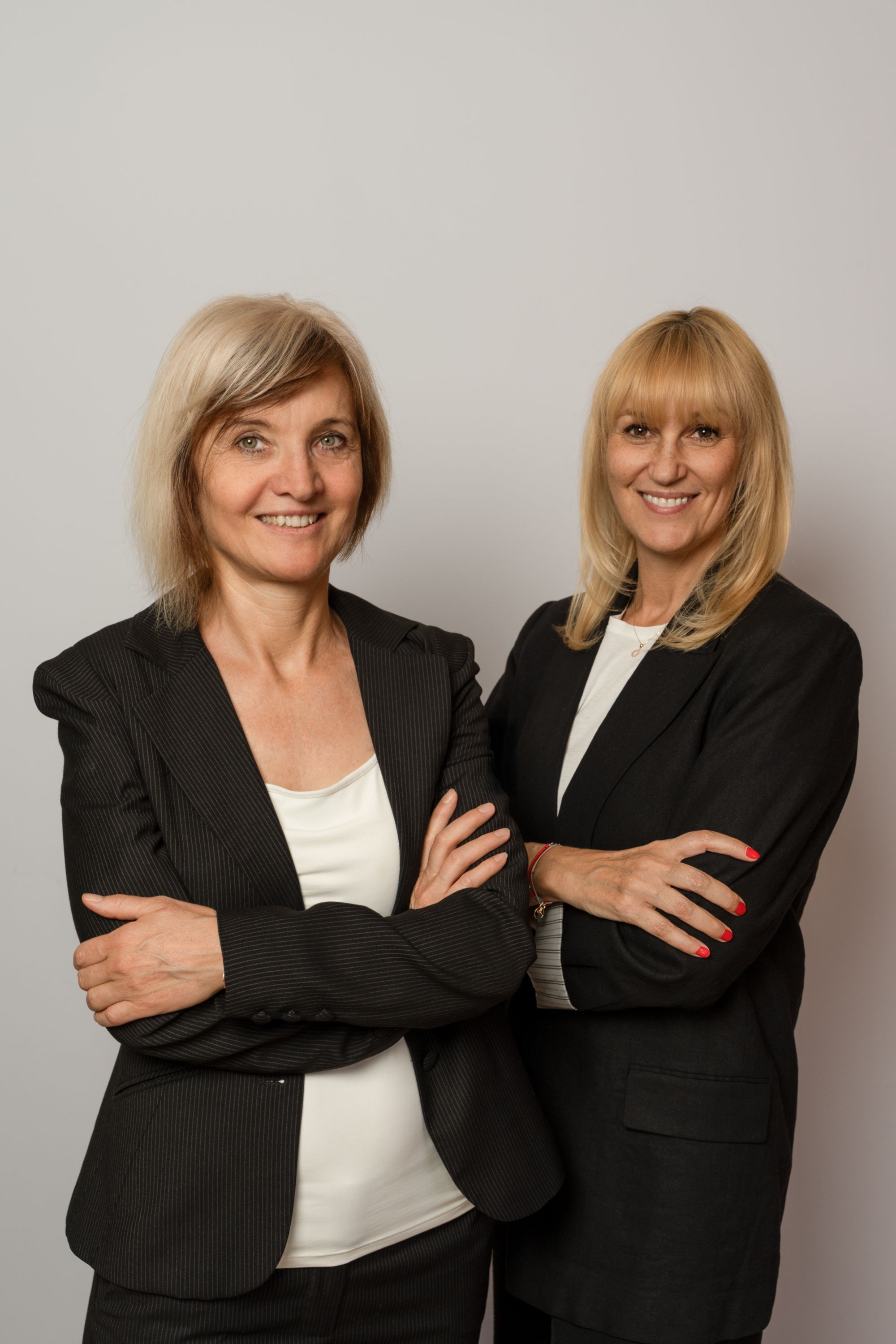
Both have spent and continue to spend weeks and months in Kőszeg from dawn until late afternoon, “thoroughly getting to know the soul of each machine” – as they put it – in order to understand and see every single process themselves. They say that beyond their genuine interest in learning, up close, a nearly extinct craft, this is the only way to guarantee that those managing factory life from Budapest truly think of themselves as part of one team.
A Strategy Woven from Wool Fibers
The produced raw material is only one side of the coin, they claim, and elaborate on this at length.
“It may sound overused, but wool really is a natural material – we have simply forgotten it,” begins Éva, whose experience extends beyond the animal itself; for a time, she lived in Őrség, bred sheep, and researched the various ways of utilizing wool. This is also when her reconnection with the factory dates back to: as a design industry leader, one of her first in-depth interviews in the sector was precisely with Ilona. “Even then, I listened with admiration as she described the everyday life of the factory – its difficulties and its beauties. I still keep the notebook where I drew a heart during our conversation.”
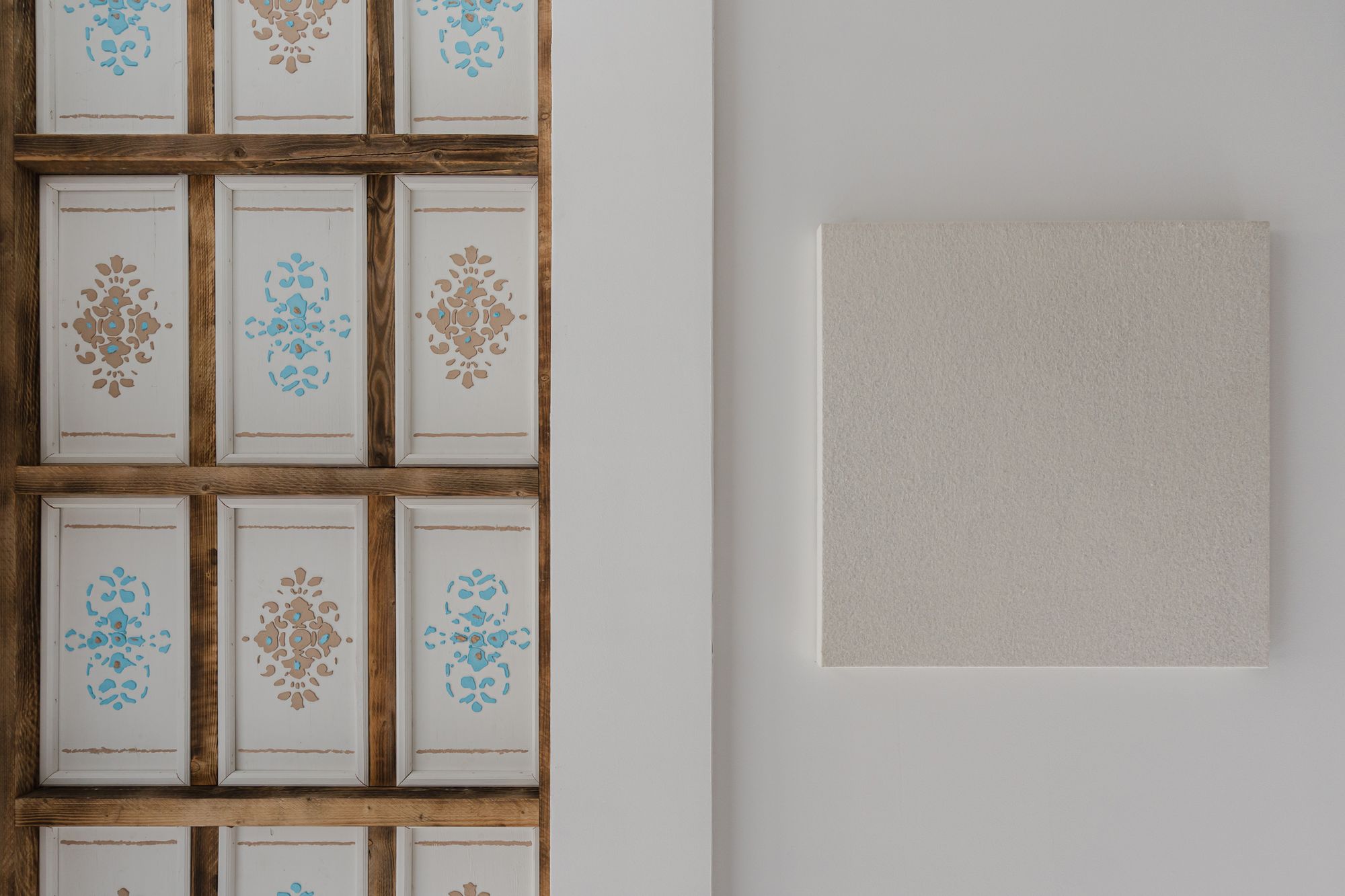
The factory, which had suffered greatly during privatization after leaving its past behind, began its current era in 2016 – while Ilona’s bond with the material arose from her children’s craft activities. Thus, it was something of a fortunate coincidence when, together with her then-partner, they caught wind of the possibility of purchasing the factory. “Regardless of its industrial character, the important thing was to understand what production meant in this case, and how we could make its results visible to the market,” she explains, drawing on her background as an economist. The strategy was not complicated, and it has proven sustainable: “By focusing on niche markets, adapting quickly, flexibly, with unique products to changing demands – selling wool felt not only as a raw material but also as a finished product, specifically in the field of acoustics.”
Noble Past – Contemporary Potential
When asked about shaping the brand built upon the factory, a beautiful symbiosis emerges between them: the production of wool felt and optimization of manufacturing are Ilona’s domain, while articulating the material’s properties from a business perspective and supporting sales fall to Éva.
“We often joke that our partnership is like a marriage and the factory is our child: like good parents, we strive to serve its growth, shape and preserve its values, and sometimes get annoyed by its flaws. Somehow, we are truly perfect complements to one another in a way that brings the very best out of the factory and the brand.”
They could hardly formulate their shared focus more similarly: they emphasize the elemental naturalness of the material, its versatility, and its simple yet highly exploitable functionality, alongside its minimal environmental impact. For them, it is not just empty words to say that felt is sustainable, biodegradable, or ecological – as their competitors working with PET bottles like to claim, not falsely but somewhat misleadingly – but entirely true.
“This raw material is inherently present on the animals’ bodies, shorn off every spring because it is unbearably hot for them. If it does not end up as waste, it undergoes multiple cleaning cycles – first lanolin removal, then de-burr and de-thistle – before reaching the market, at which point we enter into contact with it.”
I receive a brief, bullet-point process diagram of wool production, showing what happens next to the material within the walls of the Kőszeg factory:
- Carding (combing)
- Felting (heat and steam, plus rubbing motion)
- Fulling/Compacting (beating motion – part of the felt “falls away”; goal is to increase density)
- Dyeing
- Drying, edging
- Cutting to shape
As they detail each process, their enthusiasm overflows, and they assert that each step adds something to the raw material, resulting in felt suitable for both artisanal and design industry purposes – produced domestically, predictably, and sustainably. For them, the character of “you put in the raw material and a product comes out” gives the true flavor, meaning, and added value.
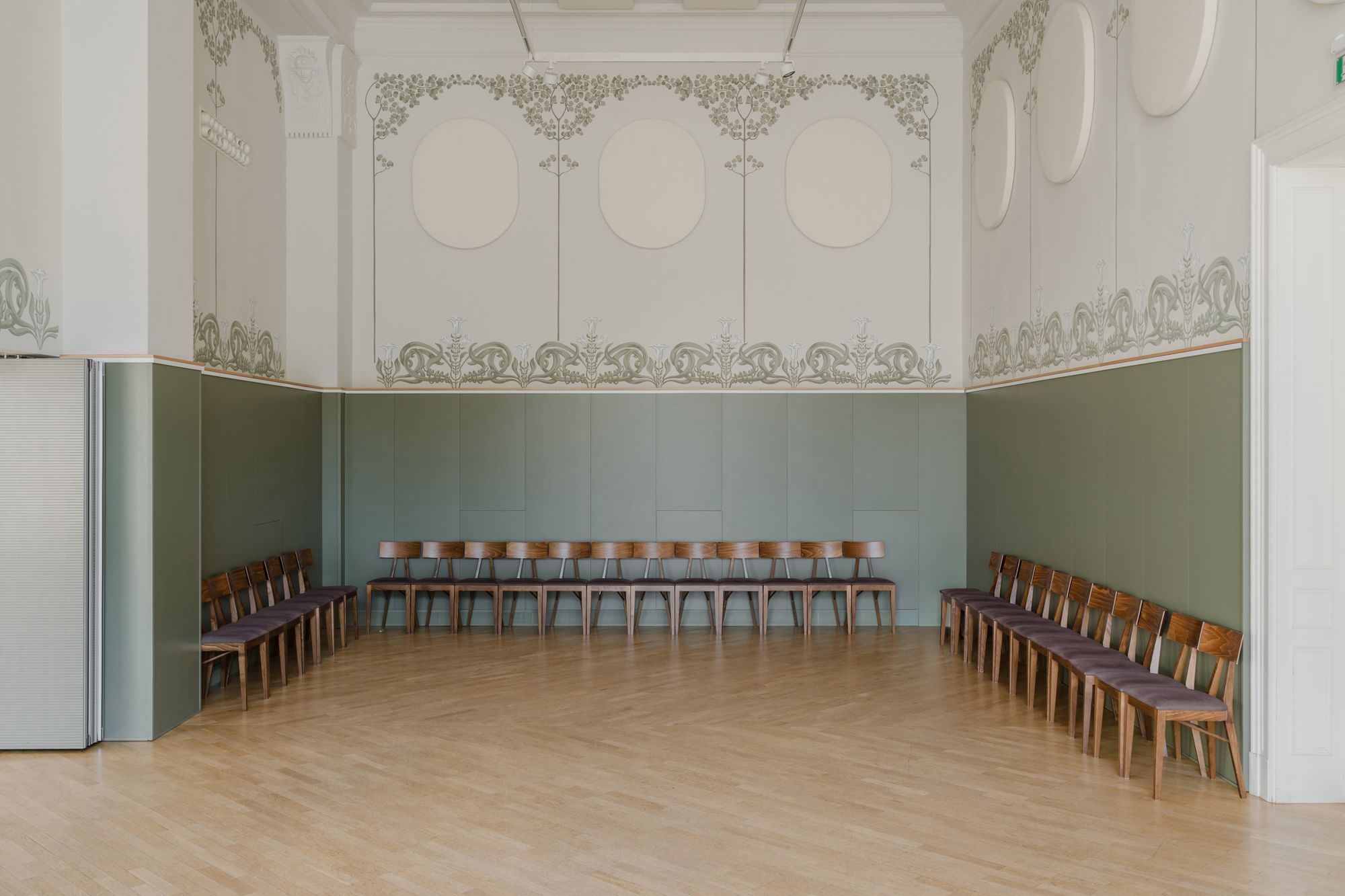
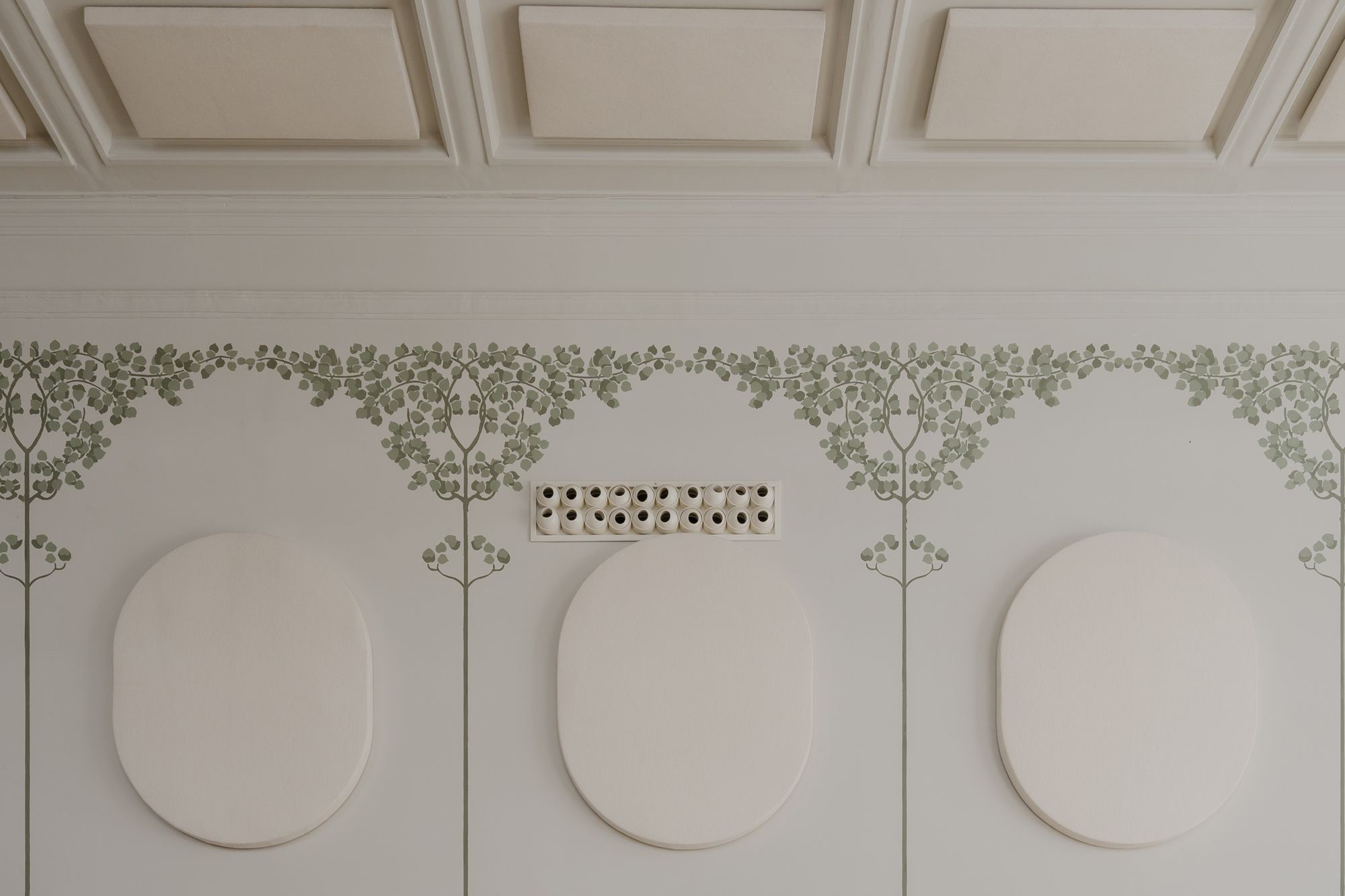
“Yet alongside this wonder, they must constantly monitor the demand for the raw material they produce, where it can fit among product ranges, or even how demand for it might be created. From studying these processes, they came to understand the raw material’s position in textile commerce, and how this could be redefined. “We started from its function. Insulation suggested itself, but it seemed a shame to hide such a costly-to-produce, beautifully woven, non-pilling, easily and uniformly dyeable material – so we arrived at its natural sound-absorbing property,” the secret recipe is finally revealed.
Zero Noise as a Service
Acoustic (functional) products have long been present in the interior design and architectural segments – one only needs to think of the consistently used carpeting in office buildings. “It performs the same task as wall-mounted, spatial, or ceiling-hung constructions,” they begin, and a completely logical, rational explanation emerges behind the gray, trivial solution – not only in its color.
“Sound waves generated in an enclosed space reflect from hard (wood, plastic) surfaces, and our ears perceive this, while soft surfaces can absorb some of these waves. That is why carpeting is one of the most obvious solutions, but it is often not sufficient – the echo remains. It is important to note here that wool felt, like most materials applied in such contexts, eliminates the so-called ‘cave effect,’ but does not create sound insulation between two separate spaces,” explains Ilona, pouring out her wealth of accumulated acoustic knowledge. “It is common for people to confuse the two, but we have learned how to make this distinction easy to understand – thereby essentially creating the demand for our product,” Éva concludes with a smile.
They would like the brand to become at least a key player in the region in the production and distribution of wool felt-based acoustic products. They are also working to steer the factory toward fully zero waste operations, and this may reach 80% by the end of the year. Their capacities and capabilities are in place; by summer their product collection was complete, with notable designer collaborations behind them and in sight. As active participants in the lifeblood of the scene, they organize their own showcases, educational acoustic workshops, and often charitable initiatives. Among Budapest’s design players, their name is increasingly recognized, and their references now extend from sacred spaces to restaurants, hotels, and a long list of office buildings.