


When you enter Pebbles on Paulay Ede Street, you find yourself in an honest and welcoming world, deeply rooted in Turkish culture. Warm smiles greet you at the door, and every dish feels like it has a personal story to tell. For the founder Merve Ilgım Deprem, food has always been more than nourishment: it’s a way of showing love, creating memories and turning a simple meal into a shared experience.
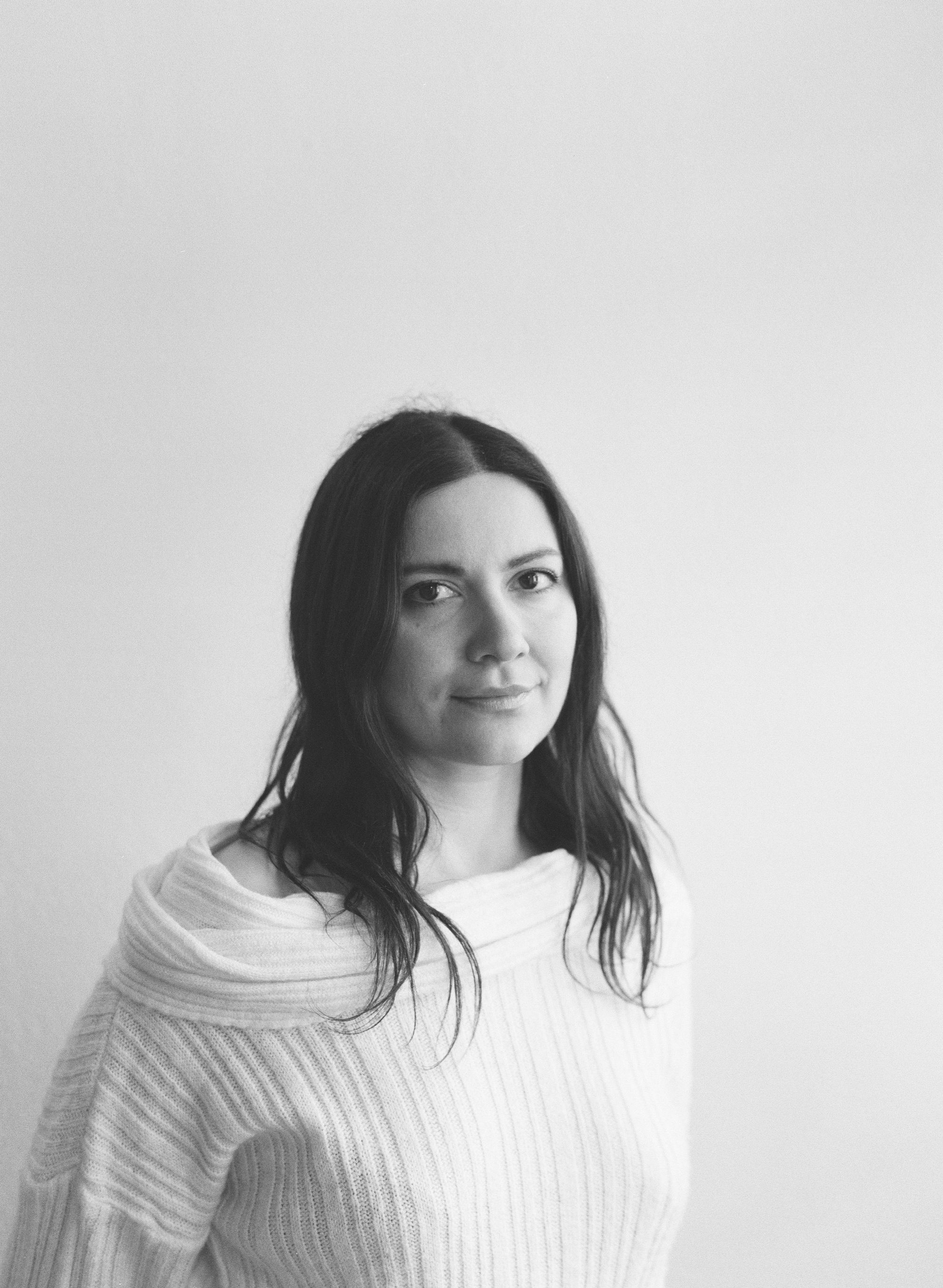
Could you tell me a little bit about yourself? How did you end up in the hospitality business?
I moved here in 2015 as a student, so it’s been almost eleven years now that I live in Hungary. In 2020 we opened The Garden, which became a great success. Last year we started a collaboration with Brody House - we moved the café there and kept it running for about a year. At the same time, I was already working on the concept of Pebbles: developing the idea, finding the venue, starting the construction. When it was ready, we brought both brands under one roof. So now The Garden and Pebbles live together. I see them as two siblings in the same house: very different characters, but connected by the same roots.
Was this something you were already drawn to as a child?
Absolutely. I grew up in a very big family where hosting people was part of our daily life. My mom and the women in my family always made it look so joyful, so effortless, that it fascinated me. It planted the dream of working with food and people.
Do your childhood memories also inspire the concept of Pebbles?
Exactly. Our focus with the restaurant was to recreate what you’d experience in a small coastal town near Izmir. The name comes from the pebbles you find on the beach. All my core memories are connected to that landscape: sitting at a wooden table by the sea, with waves reaching your feet and pebbles under you. It was always a multi-sensory dining experience, without realizing. We are very proud of the hospitality we offer here. In Turkey preparing food, setting the table, sitting down together, sharing a meal - it’s all a form of love. Food is a medium for expressing care and affection.
Do you see similarities with Hungarian culture, for example when visiting friends or their families?
Definitely, especially on special occasions. I’ve been invited to many Christmas dinners, and while the traditions are different, the feeling is the same: gathering around the table, celebrating together. As a foreigner, being part of that is always an amazing experience.
You also mentioned that in Turkey, the attitude towards guests is different.
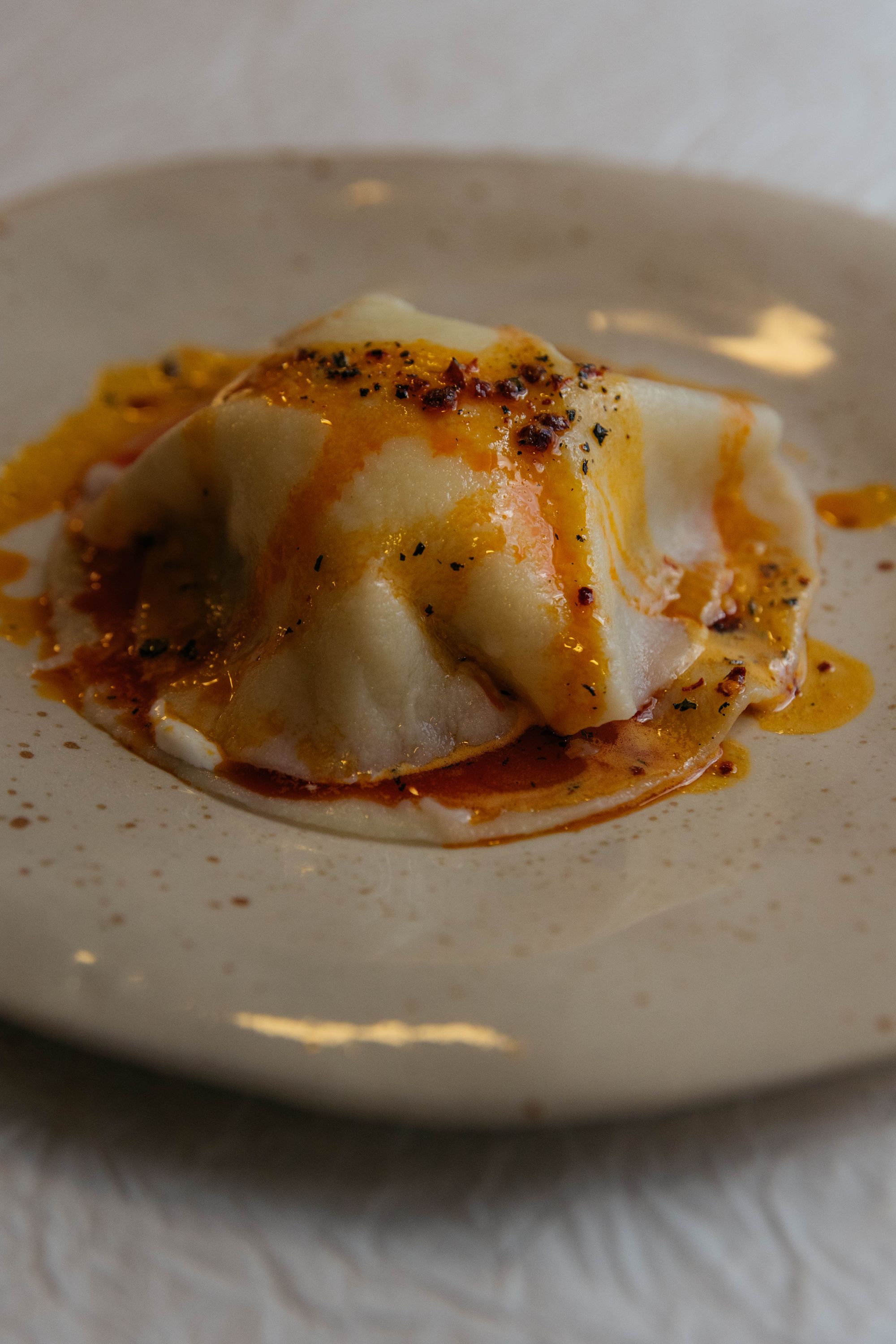
Yes, in Turkey, when you welcome someone to your restaurant, it’s almost like inviting them into your home. If a guest has a request, you don’t say no. You make it happen. That’s deeply rooted in the culture. The goal is always to make sure guests leave happy - not just fed. You want them to leave with good memories.
We even have a tradition: after someone eats - whether at home or in a restaurant - you offer them something small, like tea, coffee, or something sweet, as a gift for their teeth. It’s a way of saying: “Thank you for eating for us, this is our gift to you.” That really summarizes Turkish hospitality for me.
If you had to sum up the soul of Turkish cuisine in just one word, what would it be?
I would say: genuinity. The whole experience at Pebbles is meant to feel heartfelt and real. The food, the music, the service, all coming together in a way that is hard to find elsewhere.
Besides the homely feeling of the food, your wine list has a strong Hungarian presence.
Yes, we work with many Hungarian small producers - from Balaton, Sopron, Eger, Mátra. The majority of our wine list is Hungarian natural wine. We also have some European selections, and soon we’ll introduce Turkish natural wines as well. They use indigenous grape varieties, and we’re collaborating with the pioneers of natural wine in Turkey.
If you could bring one lesser-known Turkish ingredient into Hungarian kitchens, what would it be?
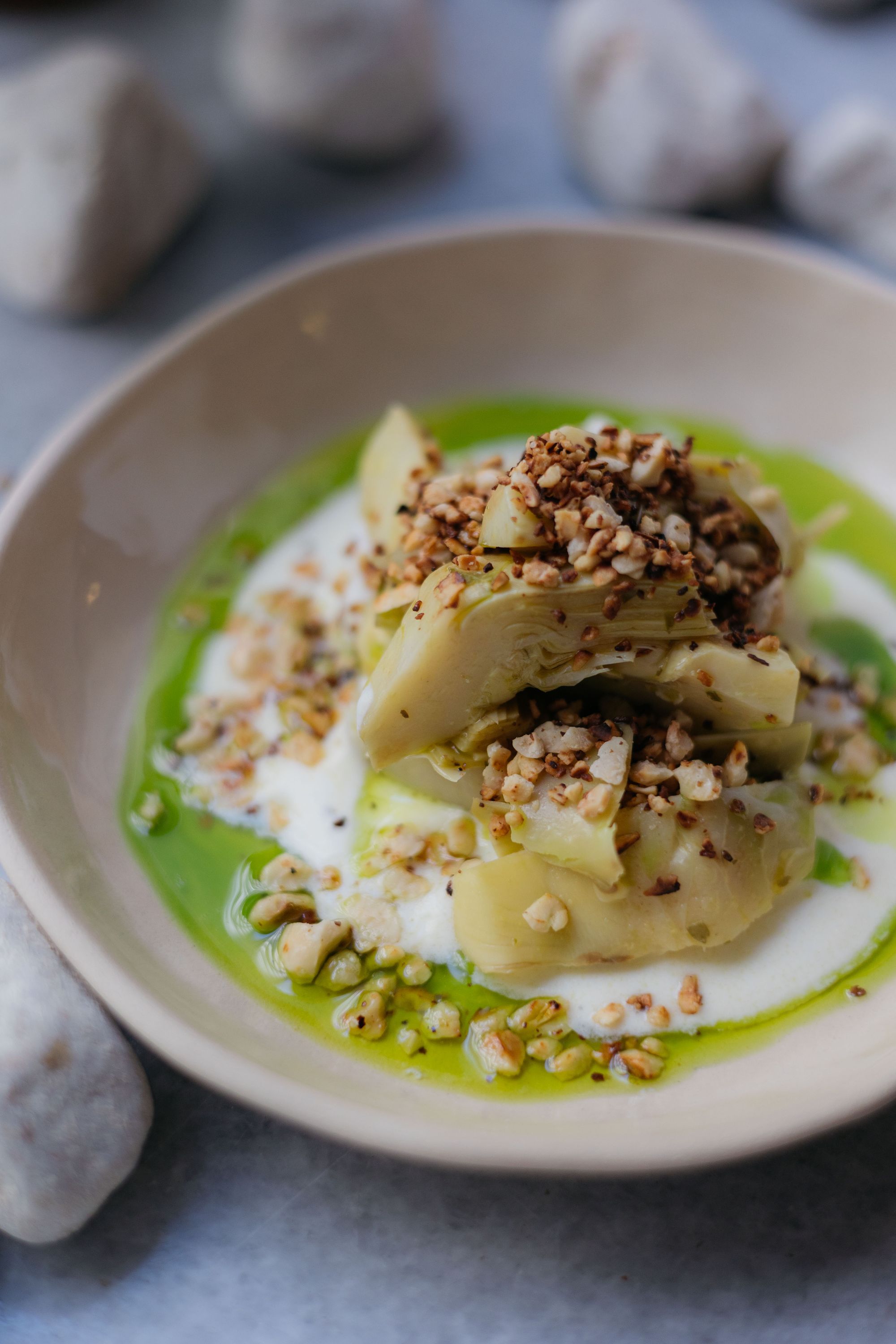
I think artichoke. It has already appeared twice on our menu in different forms. The first time we served it with the leaves on the plate, we had to explain it to Hungarian guests. Now we ferment it for 20 days with citrus and olive oil, which makes it completely edible and unique.
What’s your relationship with Hungarian food? Do you see any similarities with Turkish cuisine?
There are a few similarities. The eastern part of Turkey also has a meat-heavy cuisine, with plenty of stews similar to goulash. There are paprika dishes too - for instance, stuffed peppers. Ours are different, but the concept is the same.
If you could reinterpret one Hungarian dish in a Turkish way, which one would you choose?
I’d say - again - the stuffed peppers. I would replace sour cream with yogurt, use more dill and Turkish spices, and probably make it vegetarian, with rice and olive oil instead of meat. It’s not far from the Turkish version, but it would be a nice cultural twist.
What are your goals and dreams?
We opened only four months ago, so Pebbles is still a baby. The attention has been amazing already, but now the focus is on maintaining and improving the quality. We’ll extend the menu with some tasting options, rotate the wine list regularly, and of course aim for industry recognition. But above all, the main goal is simple: every day we want to compete with yesterday’s Pebbles and make it better.
Can you tell me more about your team and how does it feel to work with you?
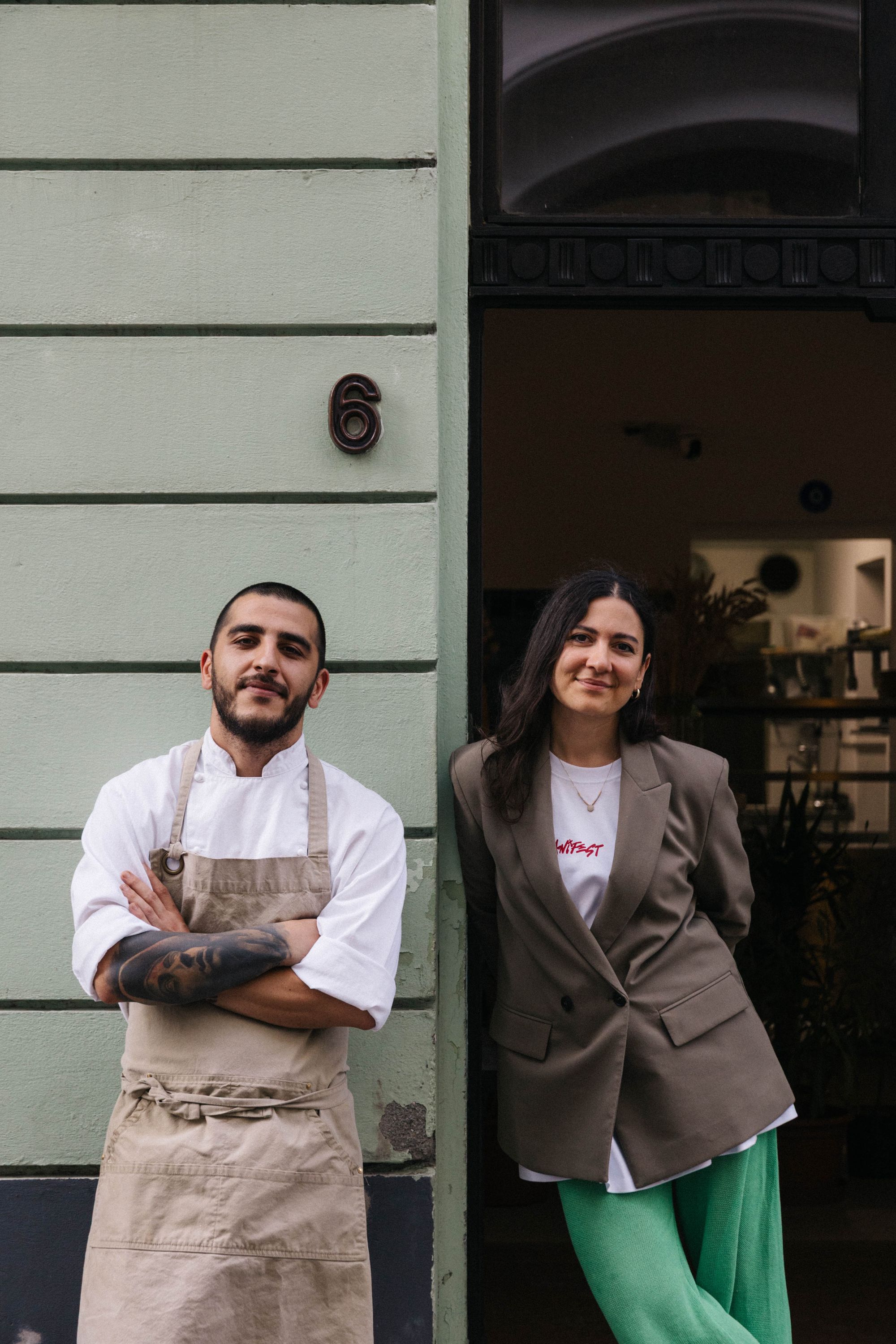
Our head chef Sidar Isikl and the entire kitchen team is from Turkey - they came here specifically to be part of this project. Our manager Anita Zsinor is Hungarian, and our front-of-house team is Hungarian as well. We’re an international team, united by one dream. I know many business owners say this, but I feel it’s different here: everyone comes in smiling and leaves smiling. For me, that’s essential, because I spend more time here than at home. If the energy is good within the team, then we can reflect those good vibes to our guests.
How do you define professional or personal success?
Not long ago, a guest came and showed me a picture of my dog, who passed away two years ago. He told me, “I came here to see this dog and to eat the pancakes.” He had visited two years earlier, eaten our pancakes at The Garden, and remembered them so vividly that he came back. For me, that’s success. Another example: sometimes tourists dine here four days in a row, every evening of their trip, or every morning for breakfast. If I were traveling in another country, it would take something really special to make me return to the same restaurant every day. That’s another form of success for me - leaving a mark in people’s memory. Financial success matters too, of course, because otherwise you can’t survive in this industry. But the real fuel for me is those emotional connections, those unforgettable moments that keep people coming back.
Running a restaurant can be stressful. How do you decompress?
Honestly, I don’t. I just keep pushing forward. Many would say it’s unhealthy, but this is both my job and my hobby. Even on my free days, I go to other restaurants to eat, or to vineyards to taste and learn more about wine. For me, the way to handle stress is to engage with the very thing that causes it. It’s my life, and I wouldn’t want it any other way.
Which restaurants do you personally enjoy visiting in Budapest?
I really like Onyx. They’re extremely creative, I love the team, and I admire how they always push themselves further. They never stop at one achievement - they always come up with something new. It’s exciting to follow their journey. I also really enjoy Goli. I go there quite often. The food is always high quality, the atmosphere is lovely, the people and the service are great.
Photo: Bence Bálint