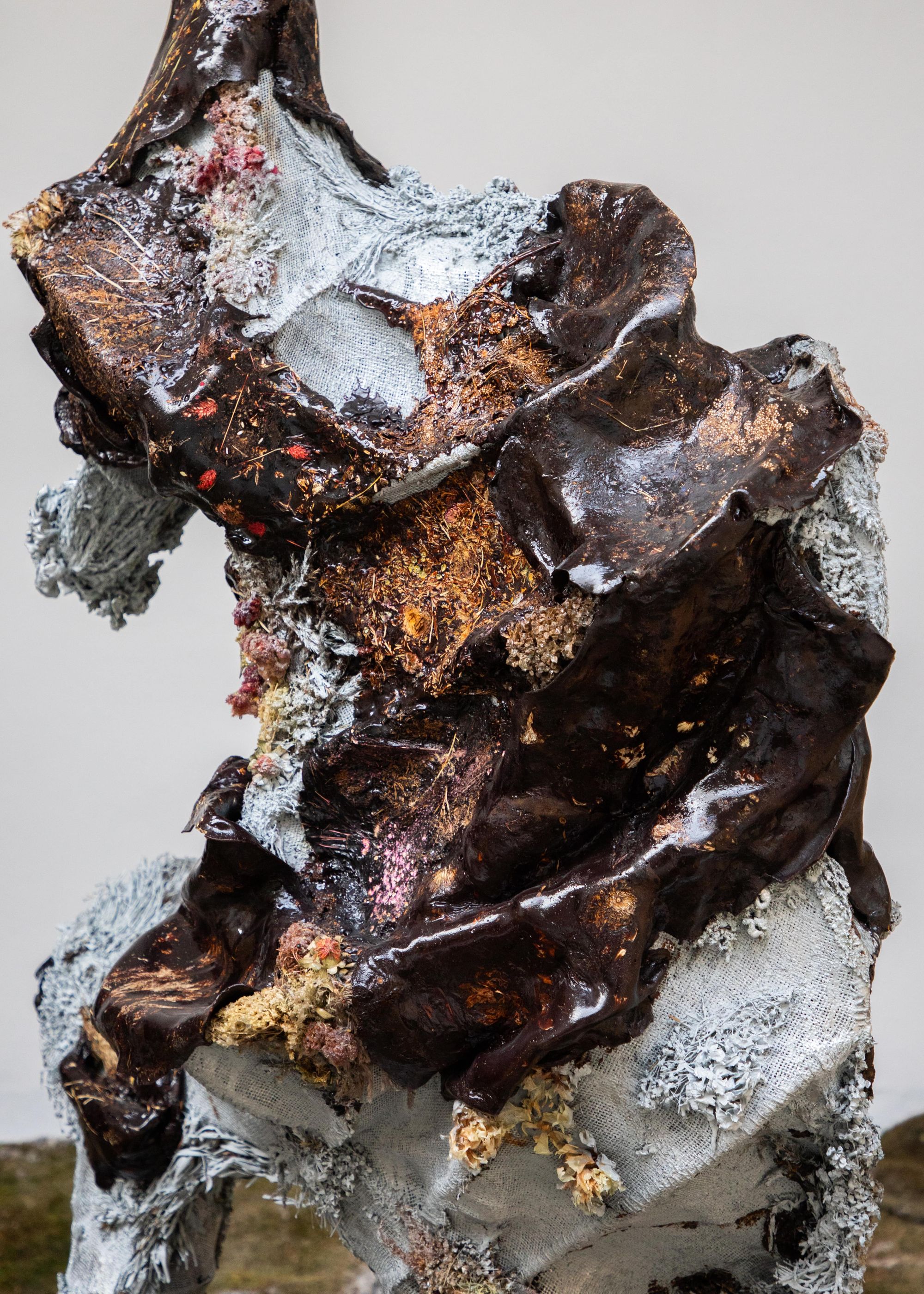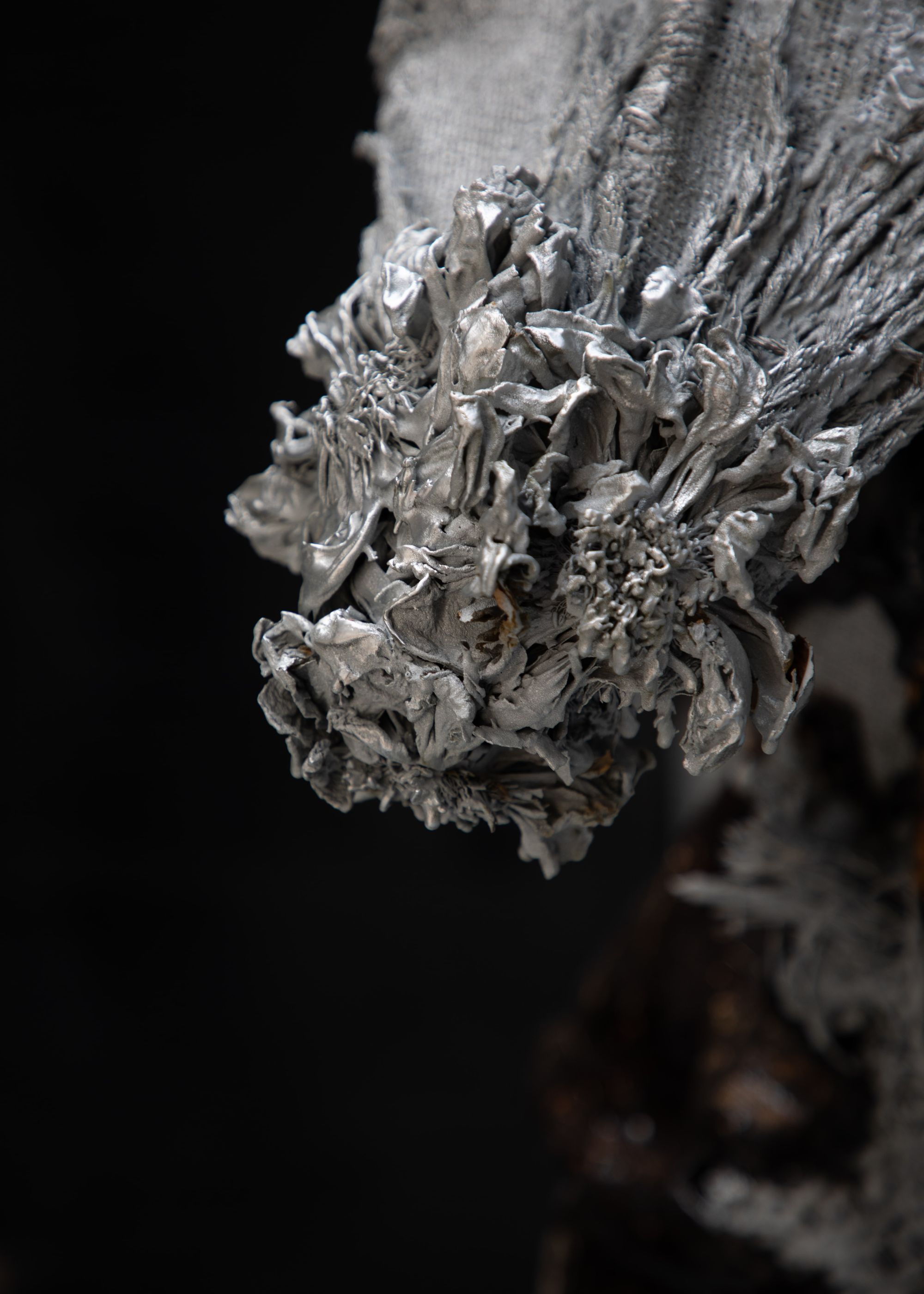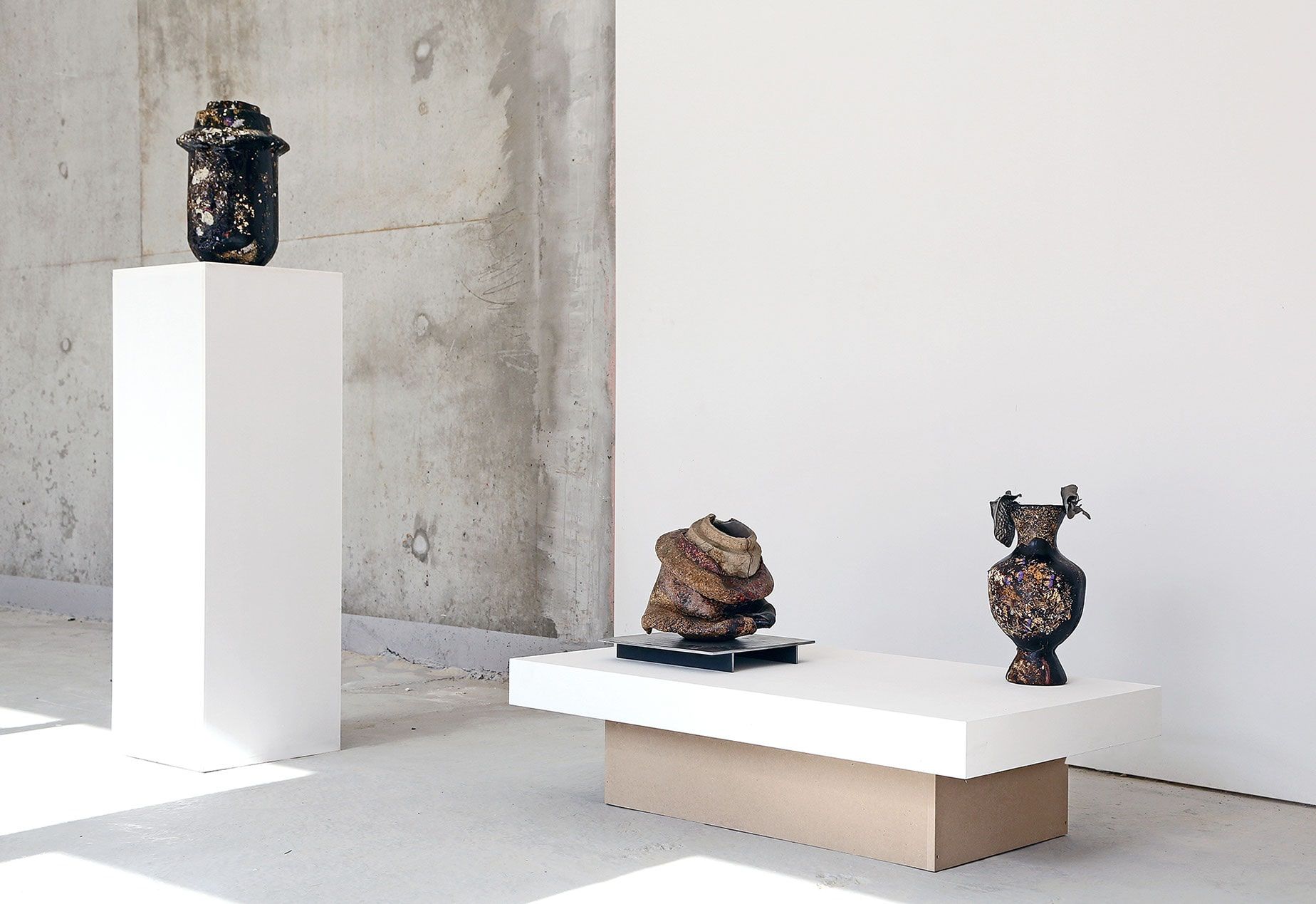
Marcin Rusak Studio’s works are easily recognisable even from afar – delicate floral motifs and dreamlike, surreal visions take shape as spatial installations, sculptural vases or poetic seat-objects. And while these creations are undeniably a visual feast, it is their narrative depth that truly defines them. How can plants become vessels of remembrance? What artistic potential lies within resin as a medium? And how can a family heritage rooted in flower growing be reimagined through contemporary artistic practice? These were just some of the flower-scented questions we explored in our conversation.
When you begin a new piece, do you start from a concept, a material, or a moment of transformation you want to freeze in time?
Marcin Rusak Studio: These elements are all intertwined. Depending on the project, it may be a fascination with a certain material, or a concept we are curious to explore. Quite naturally, our projects evolve over time as well, gaining new meanings and contexts along the way. However, the material transformation of the project itself is at the core of our interests – we are very eager to explore the way the materiality changes over time, and, being conscious about overproduction, we care about the entire life cycle of our creations, striving to create either lasting pieces that will be cherished by future generations, or ones that have the potential to disappear, dissolve in nature. For instance, the Ghost Orchid project evolved from our previous work around the theme of genius loci – the spirit of place, exploring the connection between humans, botany and the specific place they inhabit. In dialogue with Marcin’s past and his desire to reconnect with his late grandfather, who was an orchid breeder, we created new artificial “species” following a process inspired by actual flower breeding. The final forms chosen by the artist were 3D-printed in PLA, a bio-based polymer that can be dissolved in compost thanks to a special set of enzymes and bacteria developed in collaboration with Łukasiewicz Research Institute in Poland.
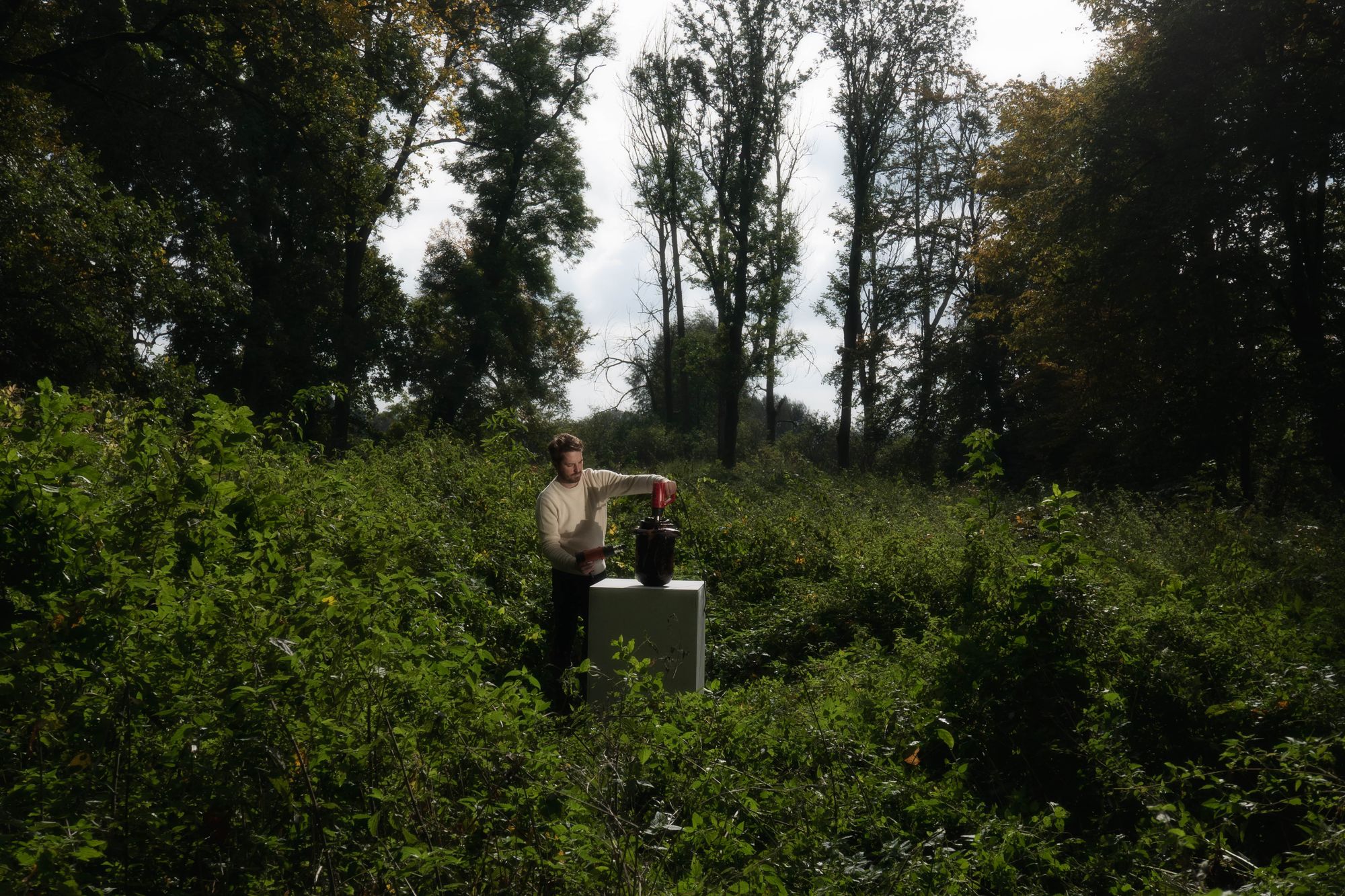
How do you cultivate experimentation within your team – is chaos ever part of the plan?
MRS: Experimentation is synonymous with creativity. Within the studio, it is predominantly Marcin who is the “chief experimentator”, initiating new research and spearheading the development of new projects. However, within the structure of our studio, we rarely experience chaos – the whole team works as an interconnected system, orchestrated to support each other with their talents and oriented towards a common goal.
What keeps you returning to resin as a medium, and what new possibilities do you still see within it?
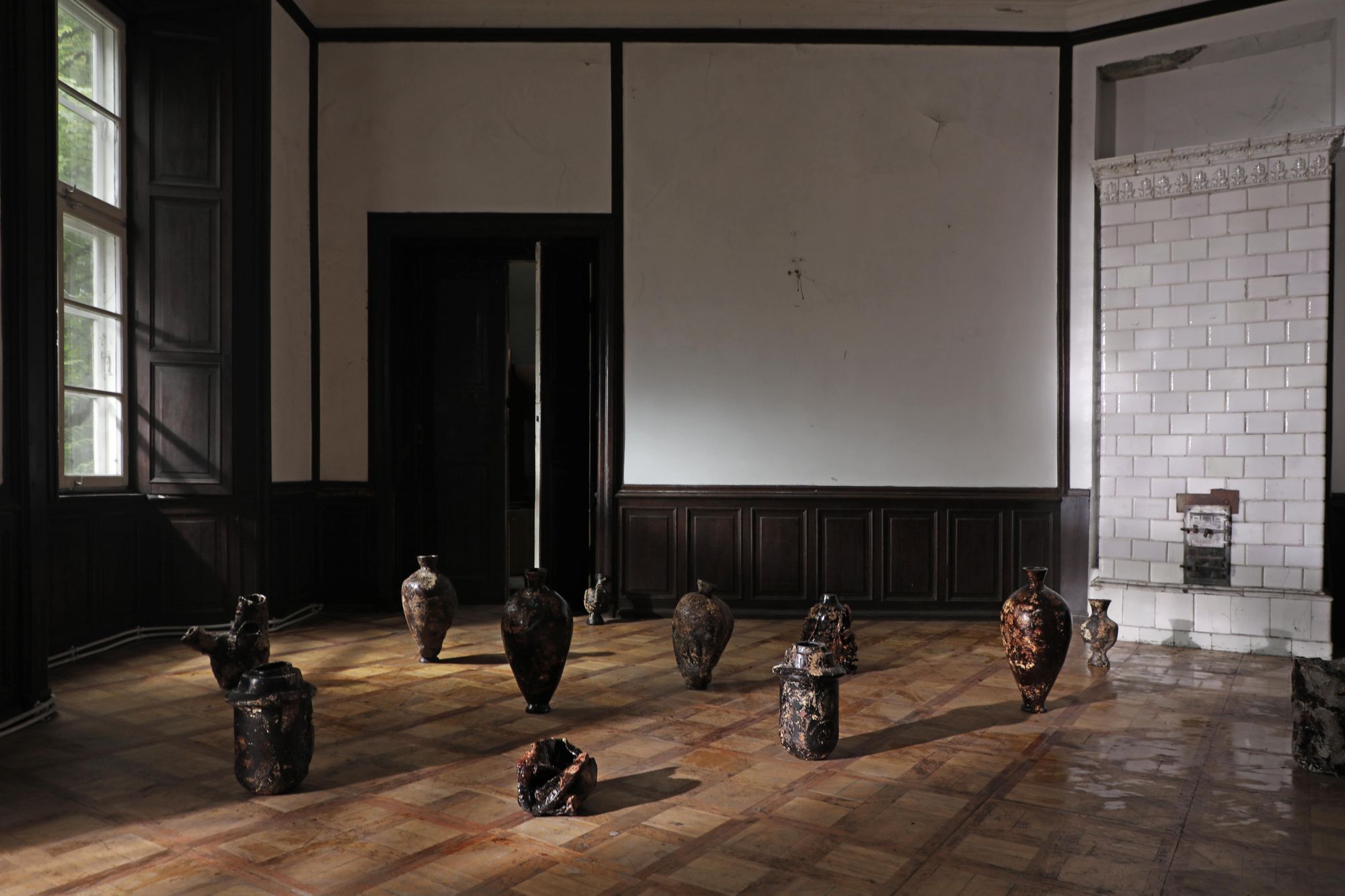
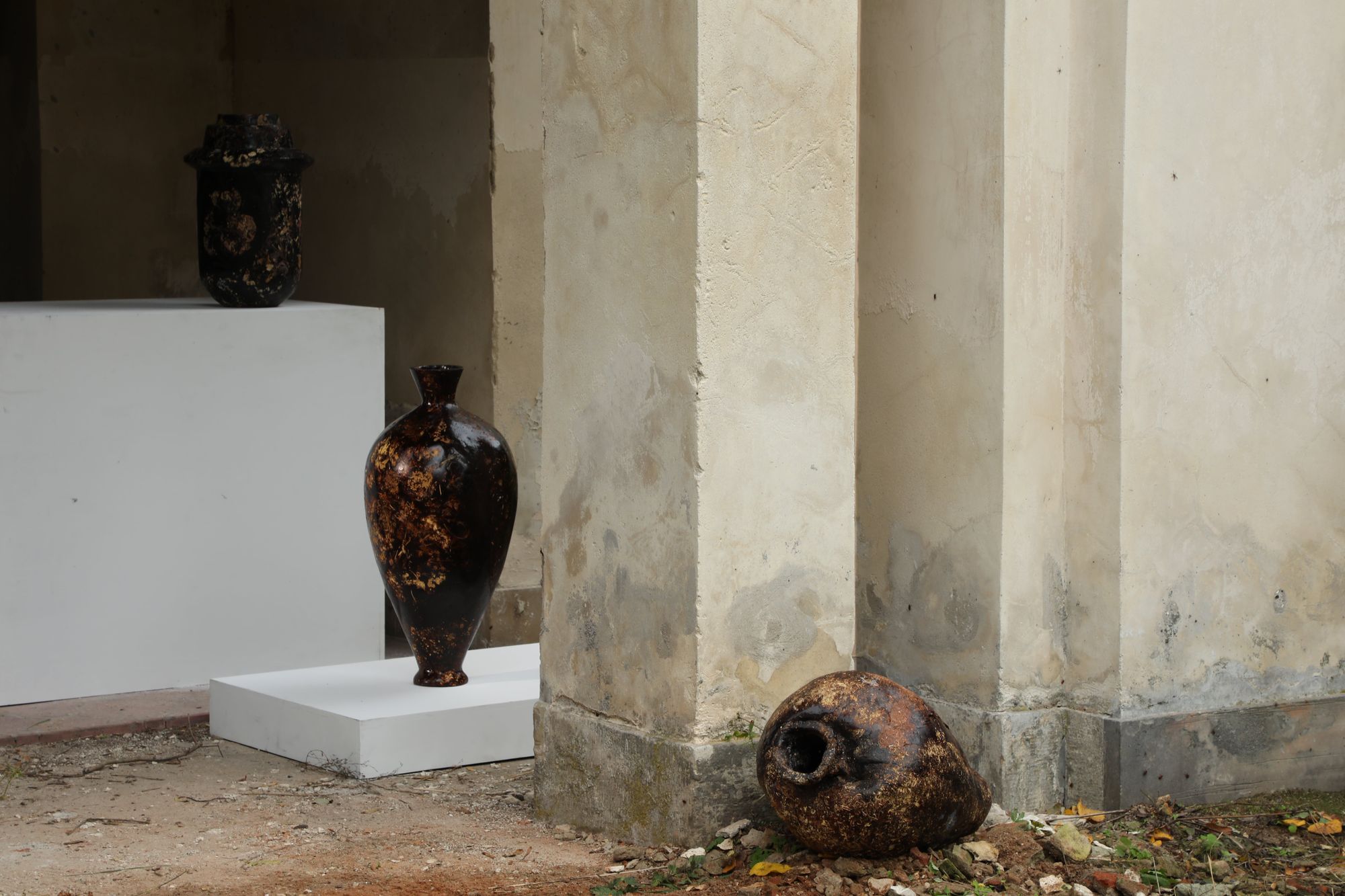
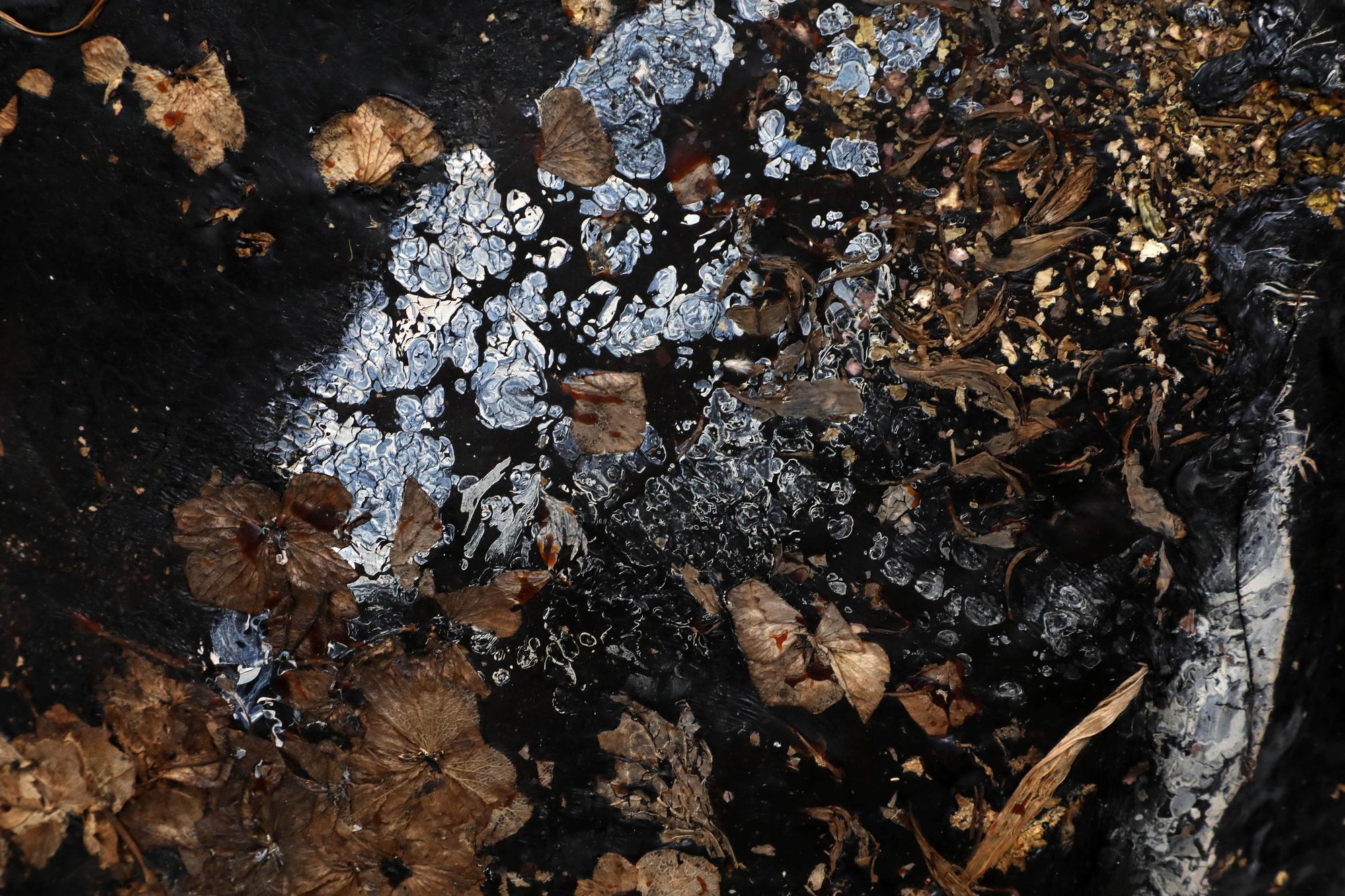
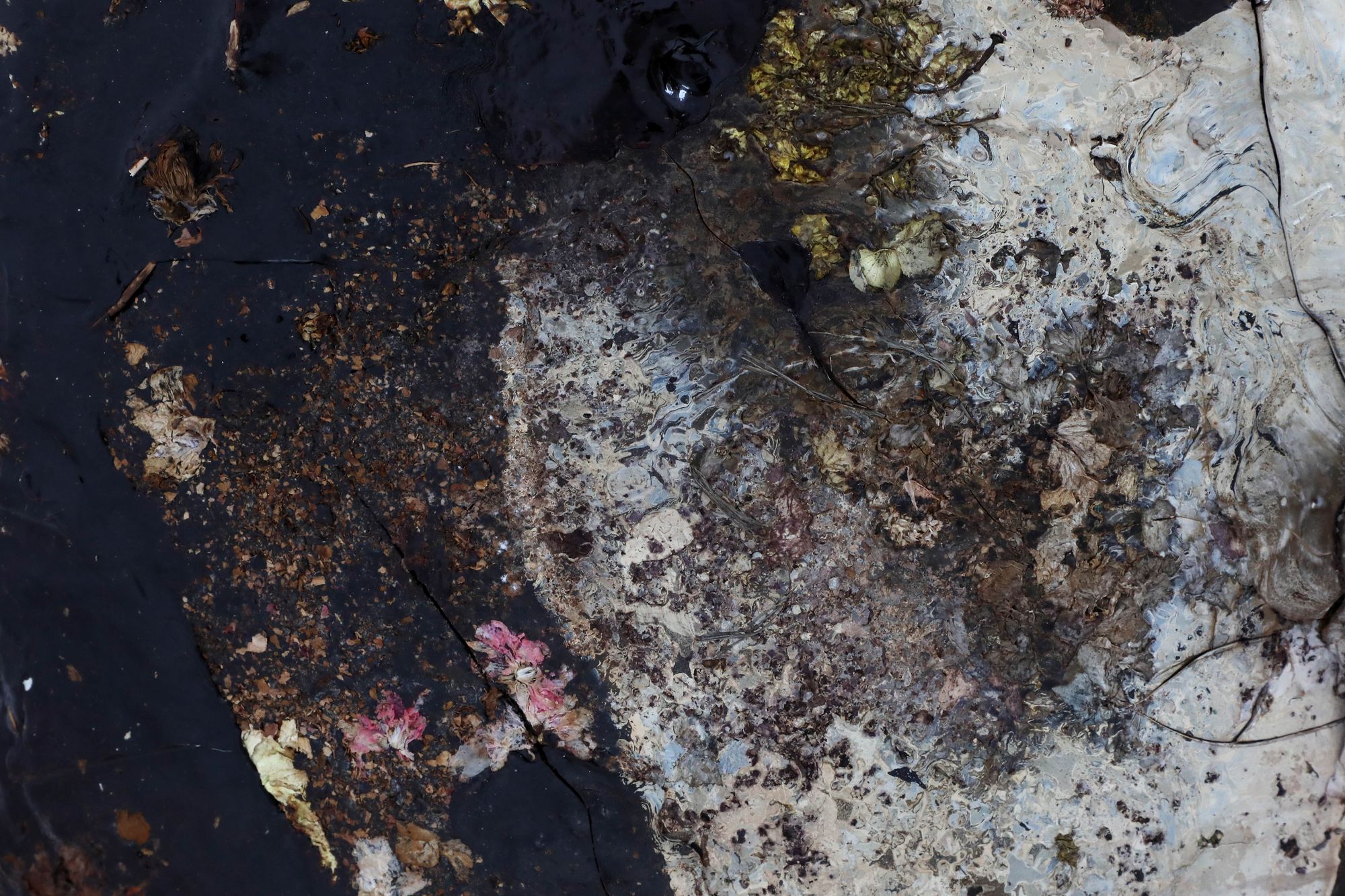
MRS: At the studio, we work with both natural, plant-derived resins as well as synthetic ones. Both are excellent means to highlight the qualities of real flowers, which we source as flower waste from befriended sellers and event organisers. While natural saps and resins used in our conceptual work, featured in self-initiated and institutional projects such as the Perishable Series or Nature of Things, allow us to talk about decay and dereliction which are inherent to the natural world, the synthetic resins used in our functional pieces from the Flora and Perma collections preserve the botanic matter in a stable and, above all, long-lasting material – which is a trait cherished by our collectors.
The traces of Japanese philosophy – especially wabi-sabi – resonate strongly with your approach. What connects you to this idea of beauty in imperfection?
MRS: Indeed, our studio’s philosophy can be linked to the Japanese way of cherishing nature with its cyclicity and impermanence. Whether it’s something as ephemeral as a wilting flower, or water floating over a stone in a riverbed, we strive to capture these impressions in our work. We also share the Japanese devotion to craft: each of our works is entirely unique and unimitable, made entirely by hand in a labour- and time-consuming process. Embracing imperfection encourages us to come to terms with our own humanity, connect with nature on a deeper level, and create new meanings.
Your practice seems intentionally fluid between furniture, sculpture, and installation. Do you still identify as a designer, or has that label become too narrow?
MRS: The studio is an interdisciplinary practice. We like to explore the areas in between art and science, design and architecture, botany and technology. Although we are still predominantly categorised as a design studio, at a certain point, these labels no longer matter to us.
Sustainability is often discussed through data and efficiency. Your response feels more poetic, even existential. How do you define what it means to create responsibly today?
MRS: Our approach is indeed existential, as our entire business model is crafted in response to overconsumption that defines our era. Our mission is to create work which is truly wanted – we only work on commission, so that nothing falls into a void. With this said, only a limited number of our pieces leave our studio each year to find a new home with an exclusive list of clients. We also invest heavily in researching, developing and updating our palette of materials and techniques, in line with the trends in sustainability and technology. As poetry comes hand in hand with innovation, we are now working on launching a new platform which will encourage a circular approach to ownership, among others.
Flowers often appear as memory keepers in your work. Is there a particular plant, scent, or color that always finds its way back into your projects?
MRS: Our horizons are as broad as the botanical world allows. In our studio, we keep a vast botanical library filled with specially processed flowers sourced as unsellable waste. Depending on the project, we use flowers for their sculptural shapes, vivid colours or symbolic meaning – so their significance may refer to a particular landscape, the collector’s own story, or our research on the plant’s economic, cultural and ecological associations. On another note, scent is a very important and also most ephemeral aspect of the plant. During our research, we discovered that most cut flowers on the market are artificially stripped of scent through genetic engineering to highlight other qualities – especially vivid colour or a longer vase life – as scent is the most energy-consuming element of the plant. For his Master’s diploma at the RCA in London, Marcin recreated three distinct fragrances of roses sourced from a supermarket, a flower farm and a private garden to prove how different they were. And for our conceptual exhibition, Unnatural Practice held in Milan in 2021, we collaborated with synesthetic perfumer Barnabé Fillion from arpa, who created three fragrances for us, alluding to the abundance of the flower market, decay of rotten plants, and our preservation of them using metallised zinc. The smell of Decay is our favourite one – we still use it in our studio from time to time.
Collaboration plays an important role in your process (scientists, artisans, etc.). What have these cross-disciplinary exchanges taught you about the limits of authorship?
MRS: Yes, definitely. The studio functions as a hub, comprising many creative minds united by a shared ambition. The artist’s vision is supported by the talents of engineers, managers, artists and designers with whom we’ve established a long-lasting relationship based on trust and intimacy. For our research projects, we also partner with specialised institutions and independent scholars who contribute significantly to our explorations. Most recently, we have worked with Bartłomiej Chojnacki and Klara Chojnacka from the AGH University in Cracow who shared their knowledge about the ways plants communicate through ultrasounds. Inspired by their findings, we have created a multi-sensory installation developed with Perrier-Jouët, that will be shown during Design Miami 2025.
After moving to a larger studio, you mentioned working on architectural-scale installations. Can you imagine your material language expanding into built space – perhaps even into architecture itself?
MRS: Absolutely! The new studio allows us to expand both in scale and in scope. With 10 metre tall ceilings, we are able to create large outdoor sculptures, and our new workshops, including a casting room, a metal workshop and a metallisation room, will help us expand and hold greater control over our processes. We are also actively working towards implementing our materials in larger-scale architectural elements, and we have indeed delved into creating entire architectural structures using our bespoke materials and techniques. A part of our new endeavours will be revealed during the Salone del Mobile in Milan 2026. Stay tuned!