What makes a home feel distinctly Central European today? Somewhere between inherited furniture, shrinking urban apartments and the growing pressure to make one room function as five, a new domestic logic is emerging across the region. We spoke with Fanny Leyten, Head of Interior Design at IKEA Hungary, Czech Republic and Slovakia, about how the meaning of home is changing — and why practicality alone is no longer enough.
Presented inside the modernist Villa Winternitz in Prague — one of Adolf Loos’ most remarkable residential works — IKEA’s new PS collection explored how contemporary living continues to evolve under increasingly limited spatial conditions. The setting itself felt symbolic: a house designed around progressive ideas of living and functionality hosting a collection built for the realities of today’s flexible, compact homes. During the event, we spoke with Fanny Leyten, Head of Interior Design at IKEA Hungary, Czech Republic and Slovakia, about the shifting identity of Central-Eastern European interiors and the region’s uniquely layered relationship with home. From inherited furniture and local craftsmanship to multifunctional living and the emotional role of everyday objects, our conversation touched on how homes across the region are adapting to changing lifestyles without losing their sense of personality.
How would you describe the character of Central-Eastern European homes today? Is there a shared visual language across Hungary, the Czech Republic and Slovakia?
Yes, I would say there are clear shared characteristics across the region. One of the strongest is a very practical approach to the home—most decisions are rooted in real needs rather than purely aesthetic desires. At the same time, there’s a strong emotional layer: many homes include inherited furniture, pieces with personal history. What’s interesting is how naturally these coexist with newer items, creating a unique mix of old and new. That’s something quite special here, and worth preserving.
Another important factor is scale. In larger cities—Budapest is a good example—people tend to live in smaller homes. This makes smart storage solutions a top priority. When space is limited, functionality becomes essential.
That said, Hungary stands out slightly within the region. The balance between practicality and aesthetics leans more toward design here—there’s a stronger emphasis on visual quality and creating a beautiful environment. But across all three countries, affordability remains a key consideration. It’s not just about price, but about value: durability, quality, and long-term usability.
Are there elements of Central European visual or material culture you would like to see more strongly represented in IKEA’s range?
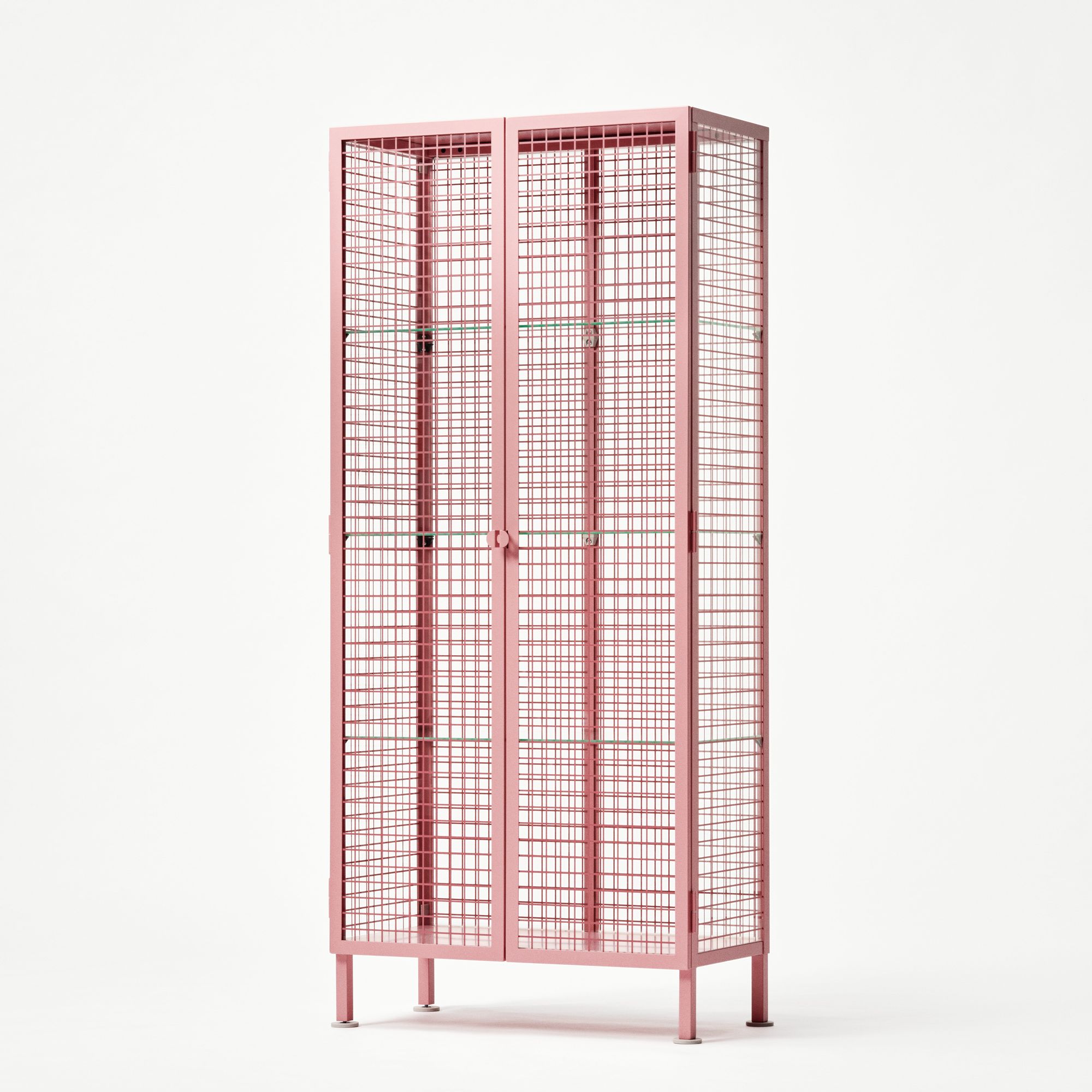
When I moved here, one of the first things I noticed was the deep appreciation for natural materials—wood, textiles, and especially glass. The craftsmanship around glassmaking, for example, is something truly distinctive in this region. There’s a strong connection to local heritage and traditional techniques, and it’s great to see that these are still valued today.
We already see glimpses of this in IKEA’s range, but I think there’s potential to go further—to integrate more of this material sensitivity and craftsmanship into the products. It reflects something very authentic about the region.
Do you see a generational shift in how people think about the concept of home?
Definitely. One major shift is linked to urbanisation. Younger generations are more likely to live in cities, often in smaller apartments. This is partly due to increased mobility—more opportunities to study, work, and move between places. This change directly affects how we use our homes. In the past, larger homes allowed for clearly defined spaces—a guest room, for example. Today, spaces need to be multifunctional. The same room might serve as a living area, workspace, gym, and social space.
There’s also a broader lifestyle shift: people place more emphasis on social life, wellbeing, and flexibility. As a result, the home has to support a wider range of activities within a smaller footprint. It’s simply more demanding than it used to be.
How does IKEA balance the idea of democratic design with the growing demand for individuality?
For us, democratic design means creating products that are accessible to the many. It’s built on five pillars: form, function, quality, sustainability, and low price. When these come together, we have a product that works for a broad audience.
At the same time, we don’t see this as limiting individuality. On the contrary, we design in a way that allows people to shape the final outcome themselves. Many of our products—especially those in more raw or untreated materials—offer opportunities for personalisation.
This is also why we find the “IKEA hack” culture so interesting. We’re genuinely proud when people take our products and reinterpret them. While we can’t always officially showcase these modifications, it’s inspiring to see how creative people can be. Ultimately, the goal is not for every home to look the same.
How open are customers in this region to circular solutions such as second-hand, rental, or repair services?
Customers are actually more open than we sometimes assume. There’s a growing interest in circular solutions, and we’re already taking steps in this direction—although awareness could still be higher. Second-hand and repair services are gaining traction, and people are increasingly asking for more options.
Rental is perhaps the next step. It’s still developing in this region, but we already see similar models in other areas of life—like bike or scooter sharing. In some countries, especially among younger generations, renting furniture is becoming more common. People who move frequently might rent basic items for a year or two, while investing in more personal pieces. I believe this mindset will gradually appear here as well.
As Head of Interior Design, what is your own home like—more of an experimental space or a calm retreat?
It’s a combination of both. I wouldn’t necessarily call it experimental, but I do enjoy changing things—especially when new collections arrive. I’m always thinking about what I can update or refresh. At the same time, my home needs to be a place where I can truly relax. Especially living abroad, it becomes important to create a personal space that feels grounding and familiar. So while I do experiment, the overall atmosphere has to remain calm and comfortable.
What is one object or solution you couldn’t live without?
For me, it’s textiles—especially rugs. They’re often seen as secondary elements, but they have a huge impact on how a space feels. A simple doormat, for example, already creates a sense of welcome the moment you arrive. Inside the home, different textures can completely transform the atmosphere—they add warmth, comfort, and sensory richness. Rugs also help connect spaces and unify interiors. They bring together furniture and define areas in a subtle way. For me, they’re essential—I have them everywhere, even in the kitchen. They’re one of the most powerful yet underrated elements in a home.
About the new IKEA PS collection
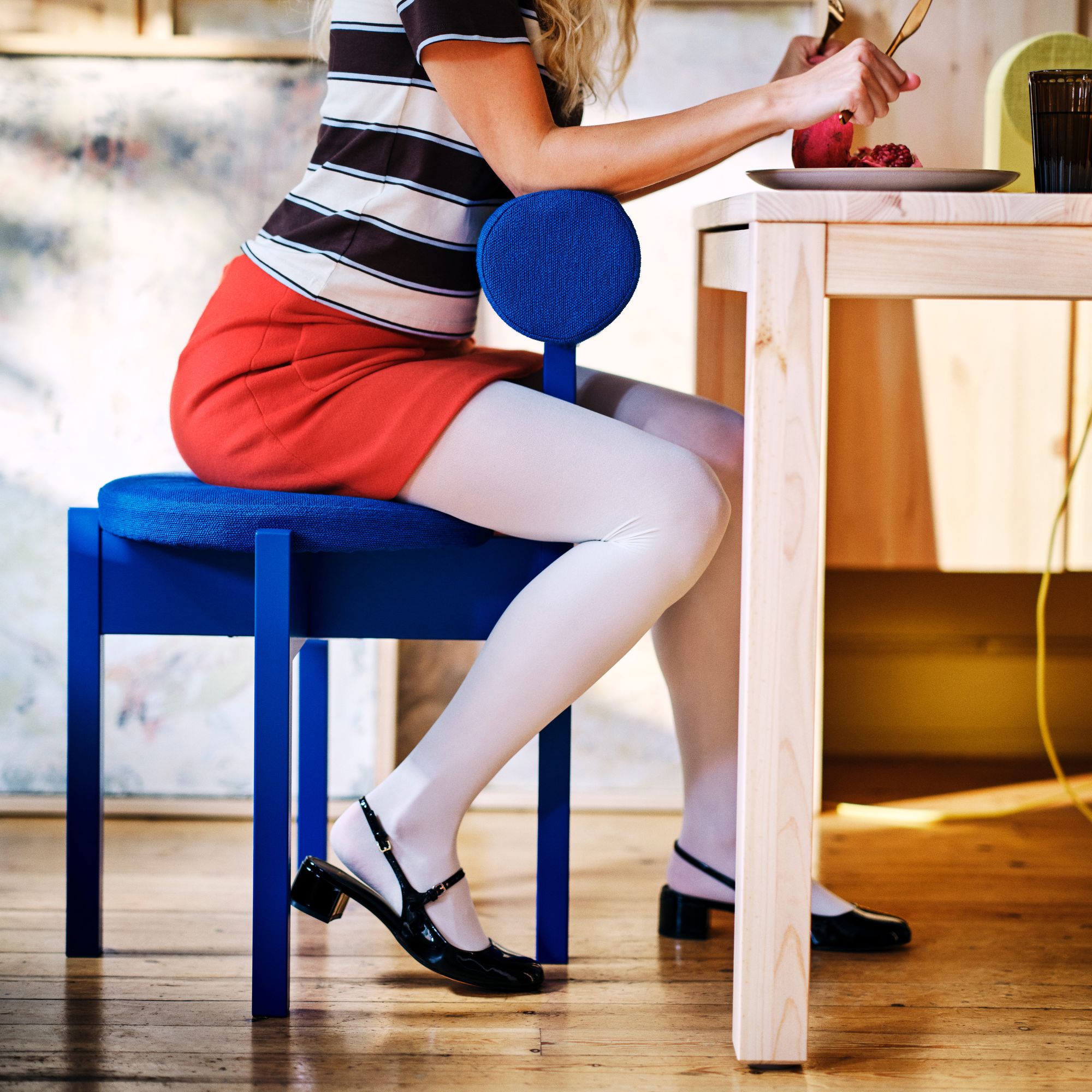
Originally launched in 1995, IKEA PS was conceived as a platform for experimental, forward-thinking design — a space where the brand could test new ideas around contemporary living, flexibility and democratic design. Over the years, the collection has become known for combining bold aesthetics with practical solutions tailored to changing lifestyles and smaller urban homes.
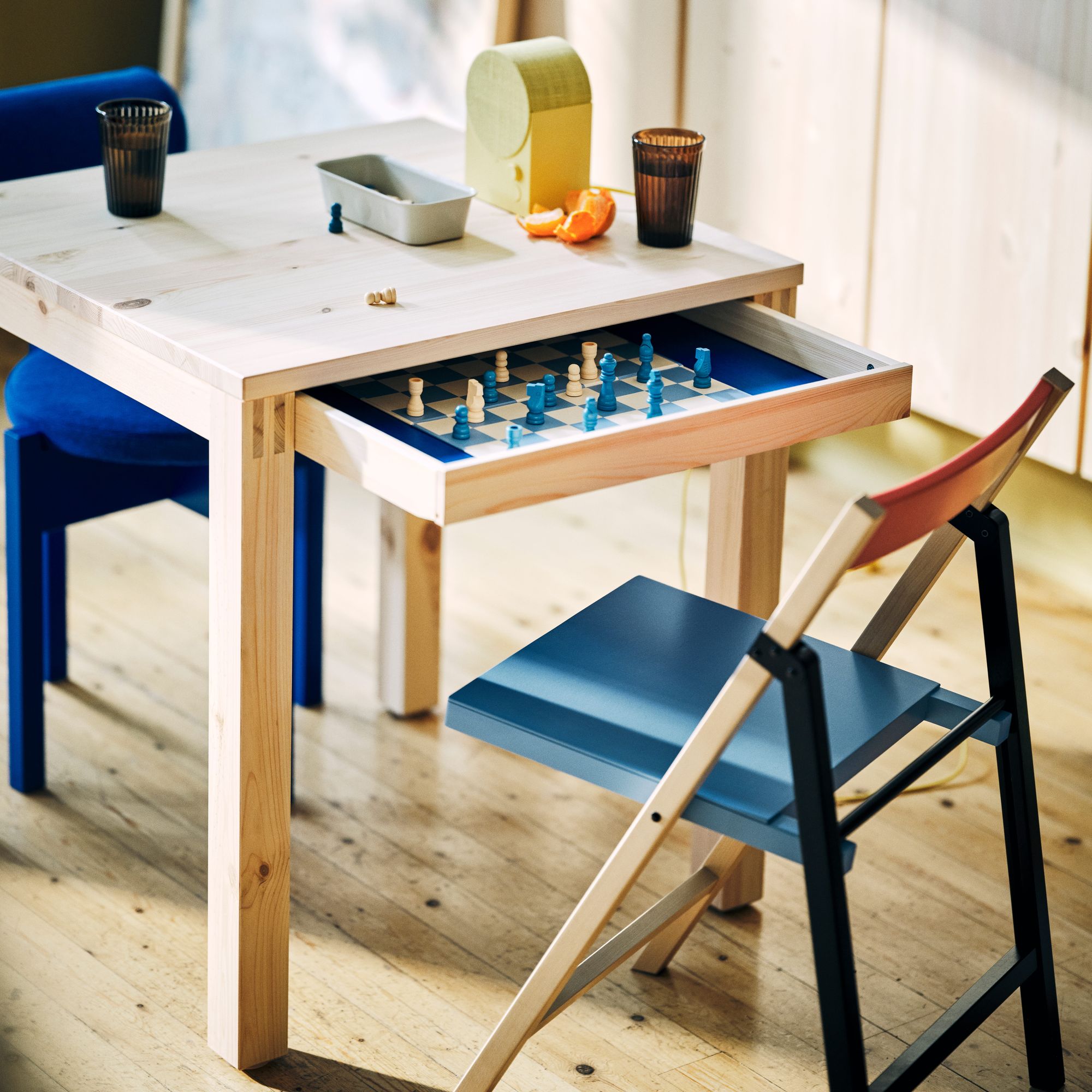
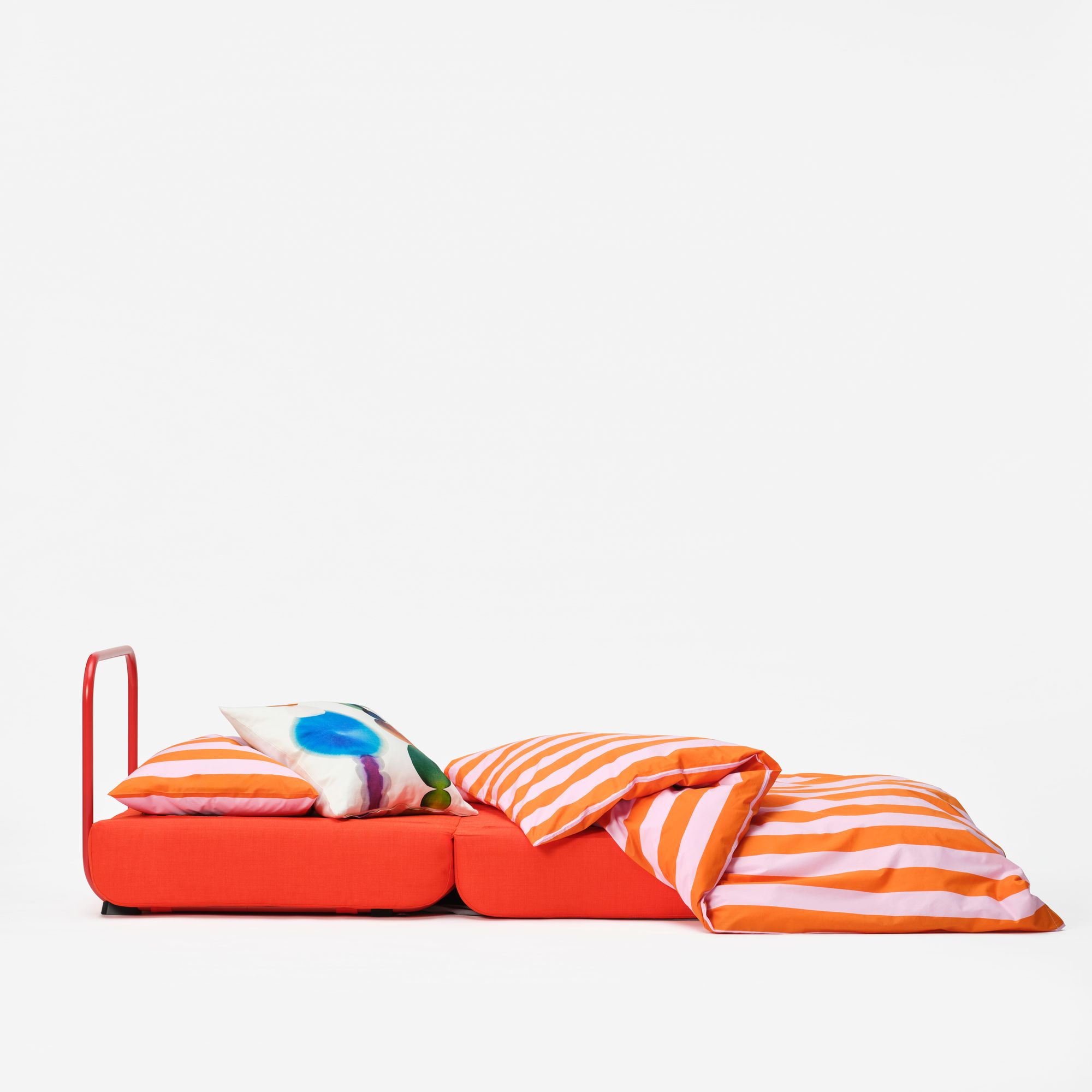
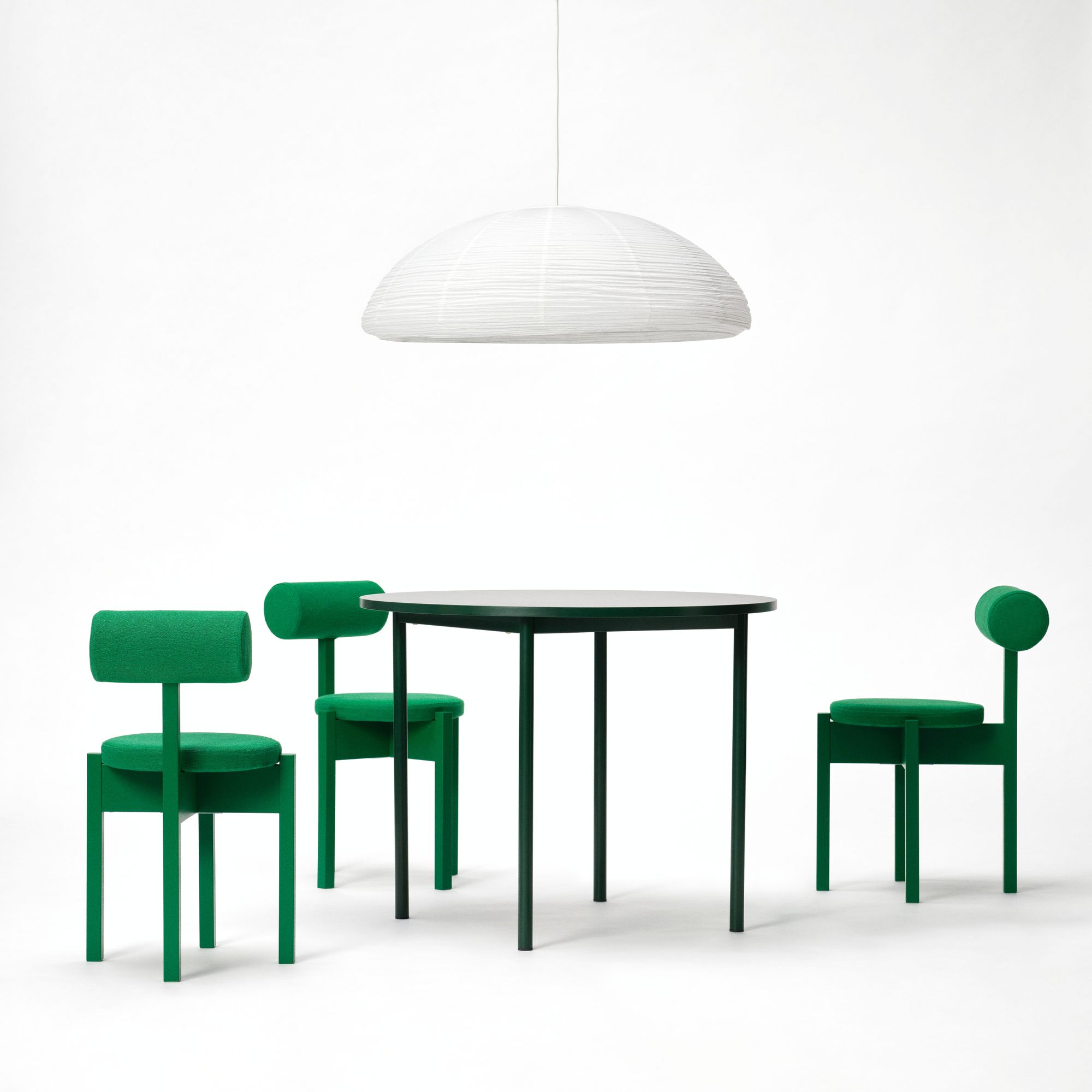
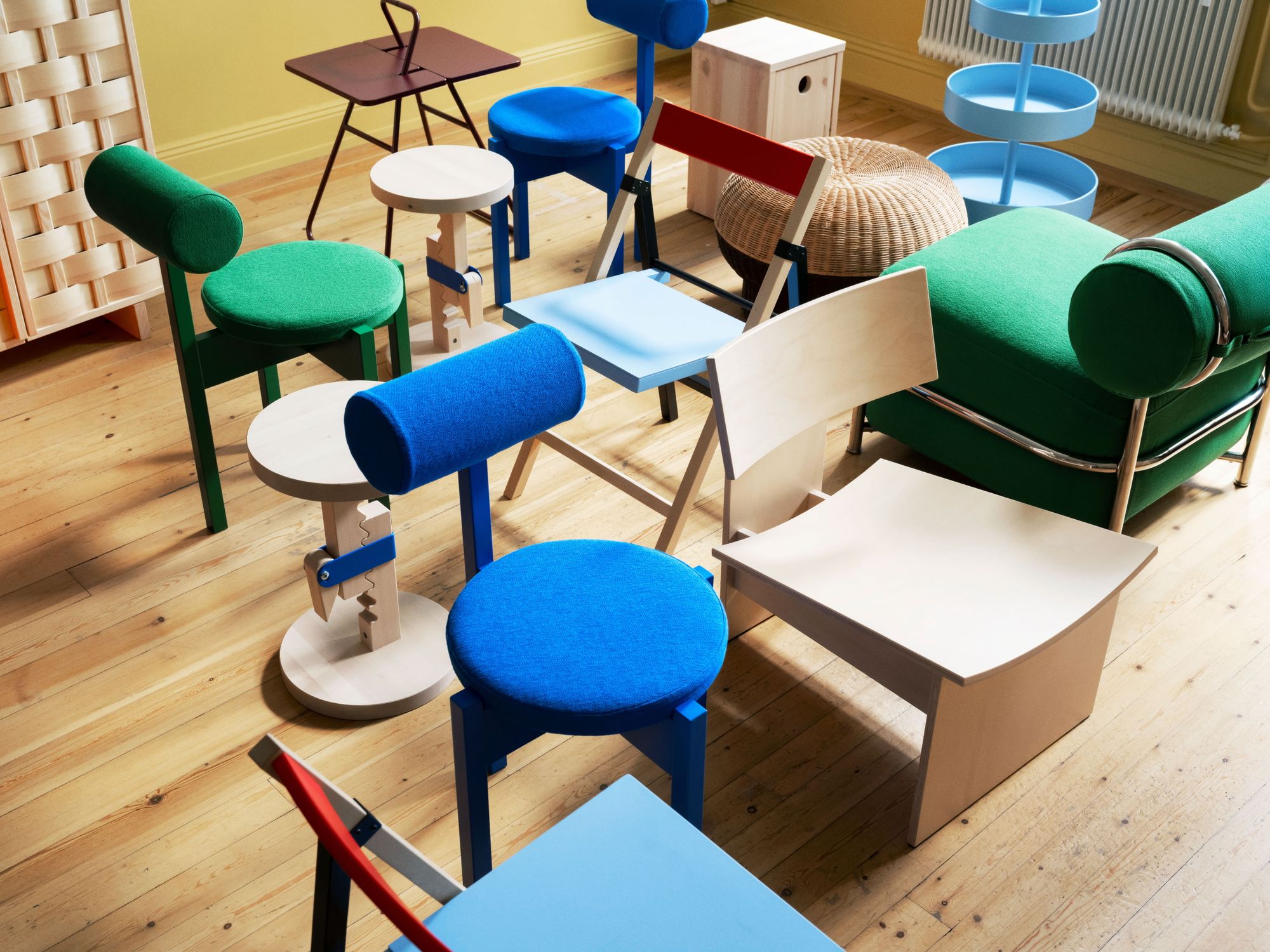
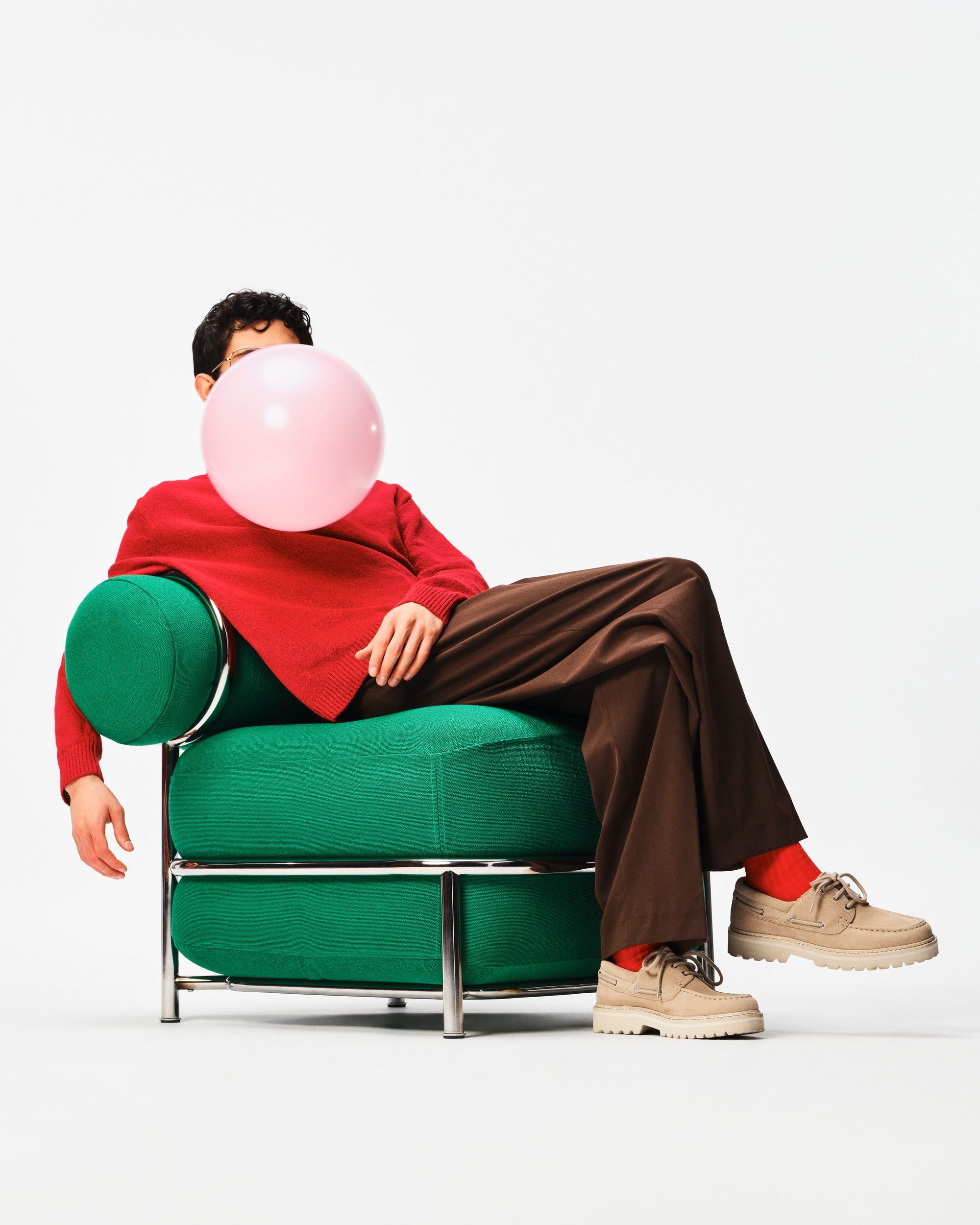
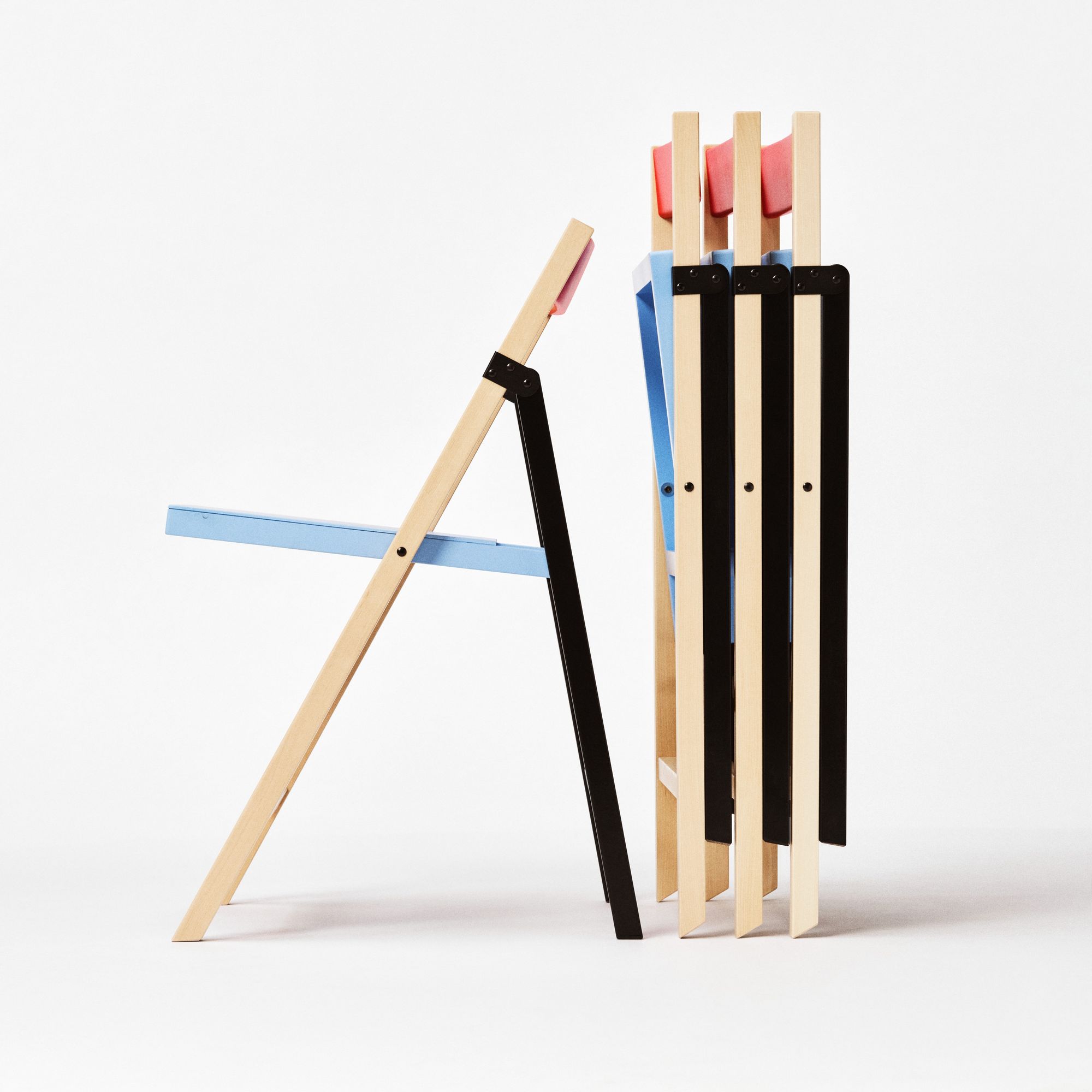
The newest IKEA PS collection continues this direction with a strong focus on multifunctionality, adaptability and emotional longevity. Designed especially for compact living environments, the collection explores how furniture can respond to increasingly fluid domestic routines: spaces that function simultaneously as living rooms, workspaces, dining areas and social hubs.
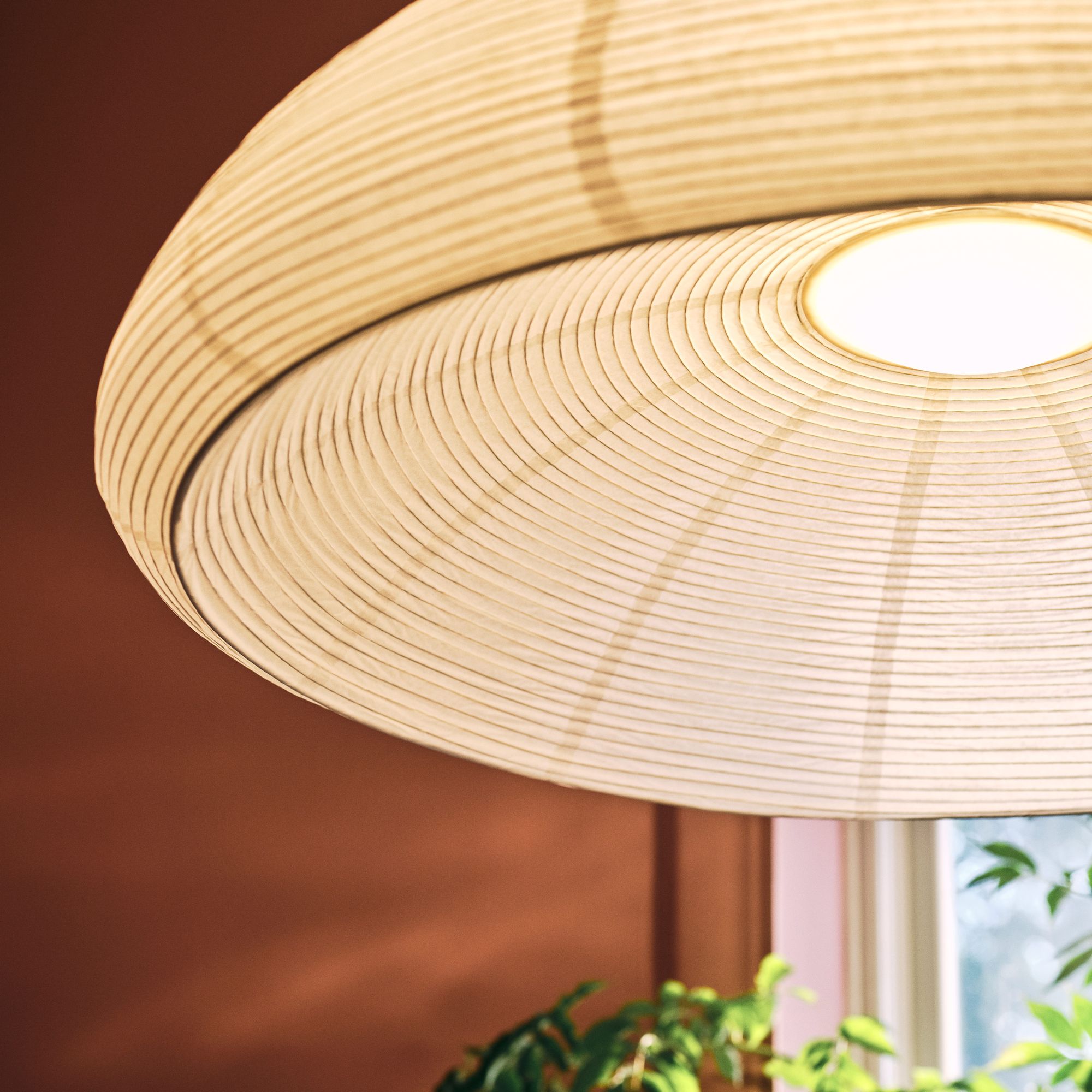
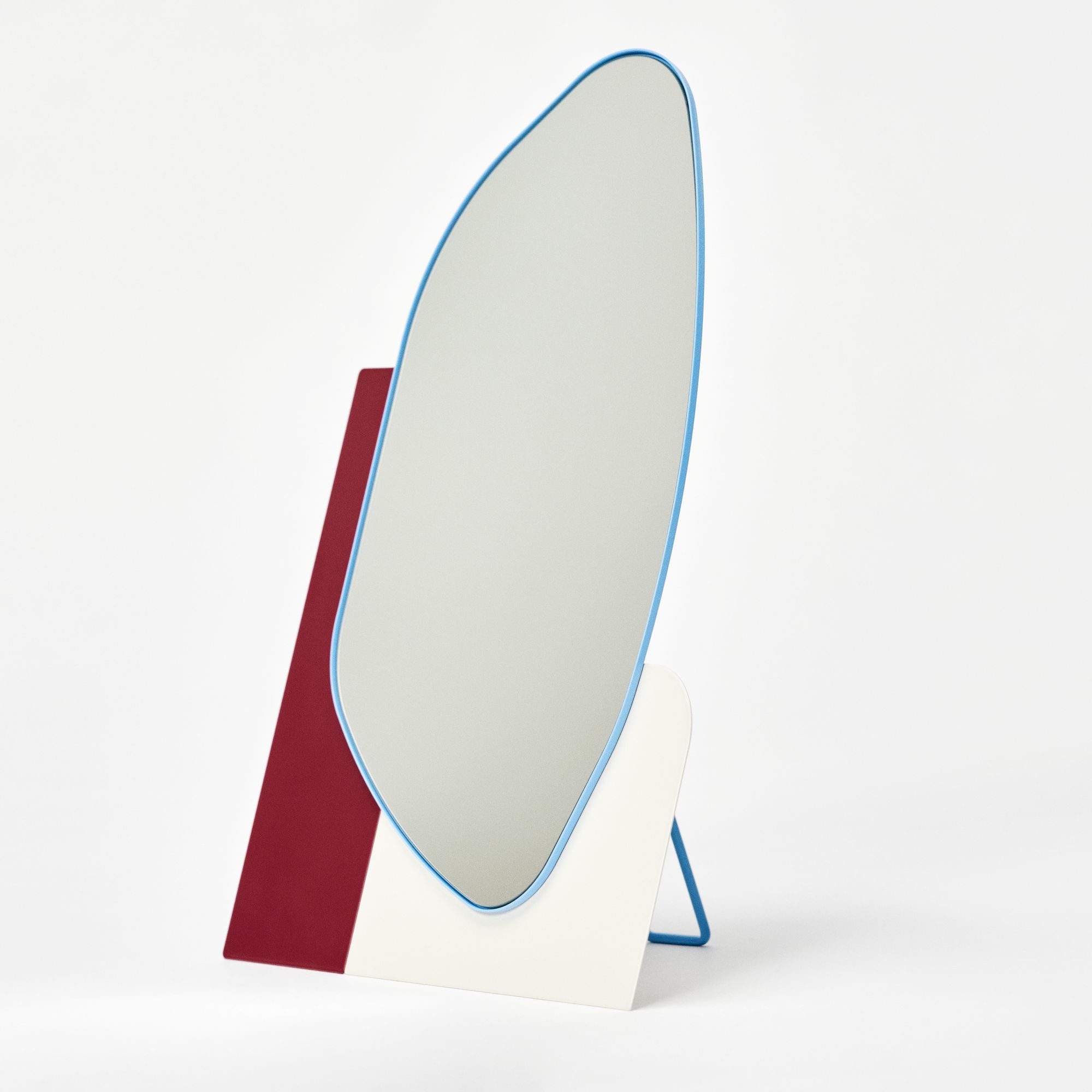
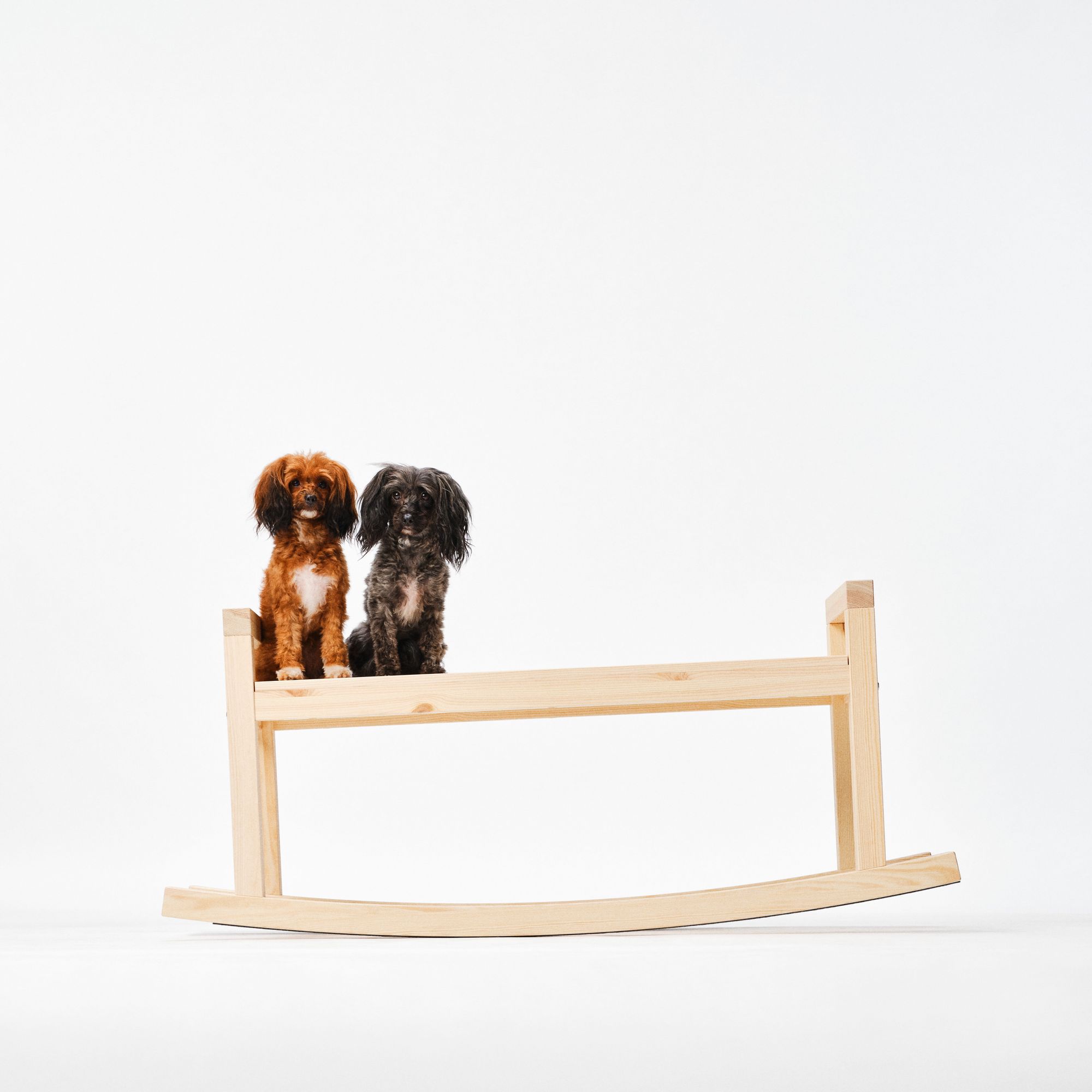
Several pieces revisit archetypal forms and natural materials through a more contemporary lens, while others embrace mobility and modularity — allowing users to easily transform or personalize their environments. Throughout the collection, there is a clear emphasis on approachable design that encourages individuality rather than prescribing a fixed aesthetic.
Presented inside Prague’s iconic Villa Winternitz, the collection entered into an interesting dialogue with Adolf Loos’ modernist ideas around functionality, simplicity and the evolving role of domestic space — proving that many of the questions surrounding how we live today are, in fact, not entirely new.