


From the adaptive reuse of historic buildings to AI-powered products, from community-focused spaces to sustainable material experimentation: the winners of the BIG SEE Awards 2026 have been announced. One of Southeast Europe’s most important architecture and design platforms once again recognized projects that stand out not only for their aesthetic quality, but also for their social and environmental sensitivity. As a media partner, Hype&Hyper followed the event on-site, where members of the international design community came together to explore how meaningful design can respond to an increasingly complex world.
BIG SEE, one of the leading platforms of the Southeast European architecture and design scene, has once again announced its award winners. The BIG SEE Awards 2026 spotlighted some of the most exciting projects in architecture, interior design and product design, while also revealing the key questions currently shaping the international design community. The reinterpretation of existing values, the strengthening of community experiences, sustainability and the human-centred application of technology all emerged as recurring themes among the awarded works.
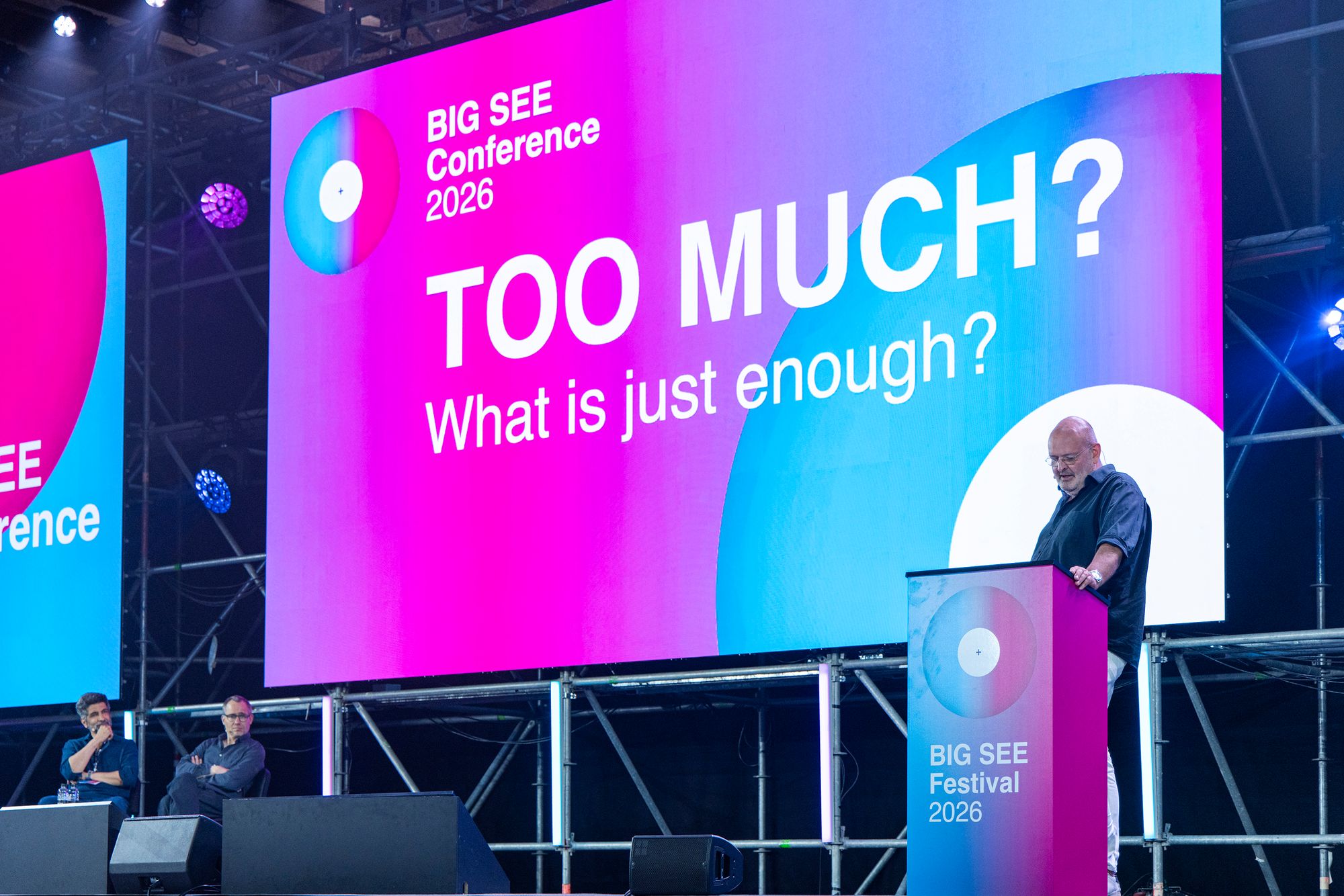
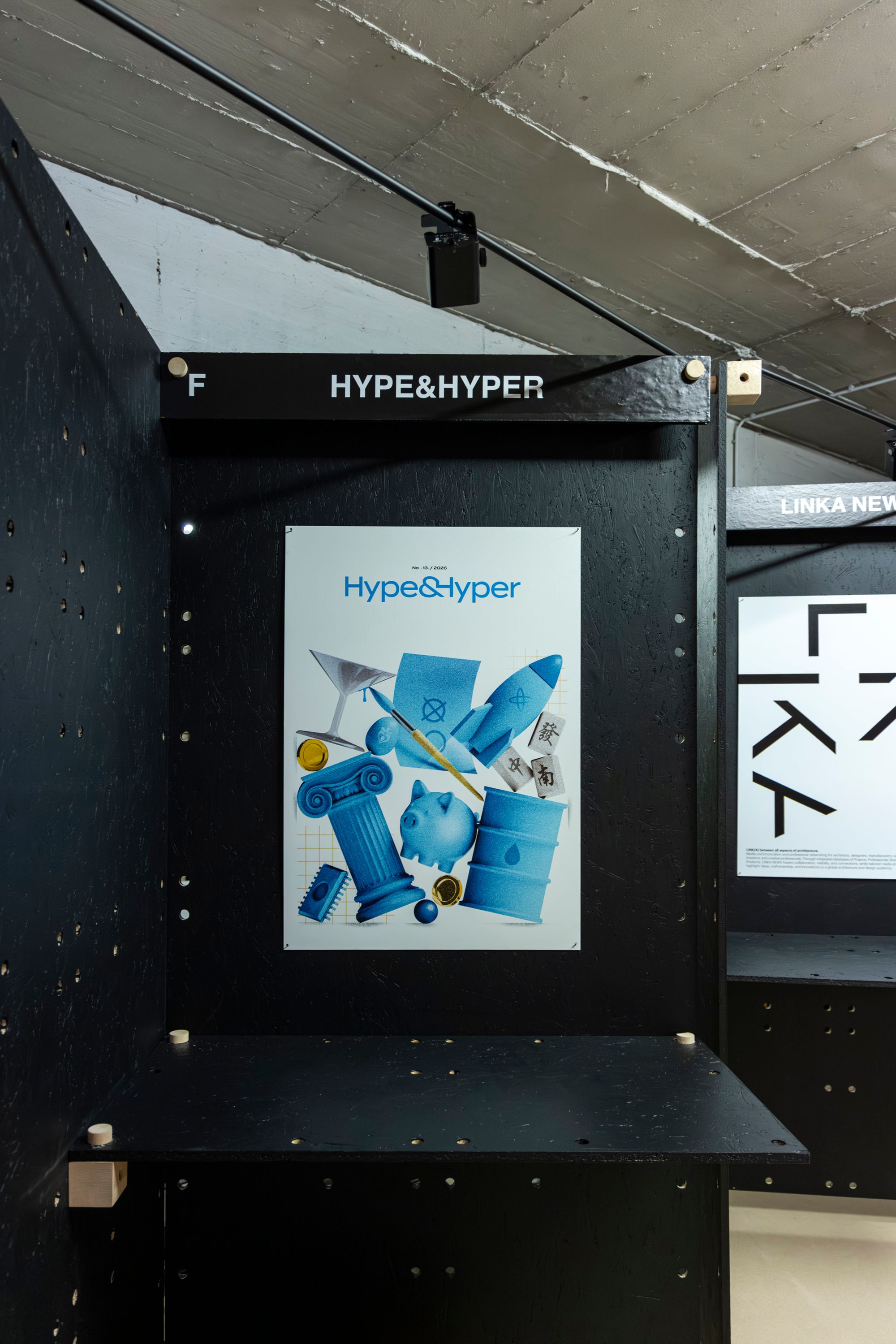
As a media partner of BIG SEE Festival 2026, Hype&Hyper was also present at the event, which has grown far beyond a traditional awards ceremony. Today, it serves as a meeting point for the region’s creative community, where architects, designers, manufacturers and thinkers come together to explore how to design responsibly in an era defined by overproduction and constant change.
This year’s winners included projects from across the globe. In the interior design categories, recognition was given to works that sensitively connect the history of a place with contemporary use. Notable examples include the Melt Season Flagship store in Shanghai, which transformed a historic villa into a unique sensory experience, and the Piccadilly Clubhouse in Bangalore, where a striking central staircase structure became the catalyst for community life.
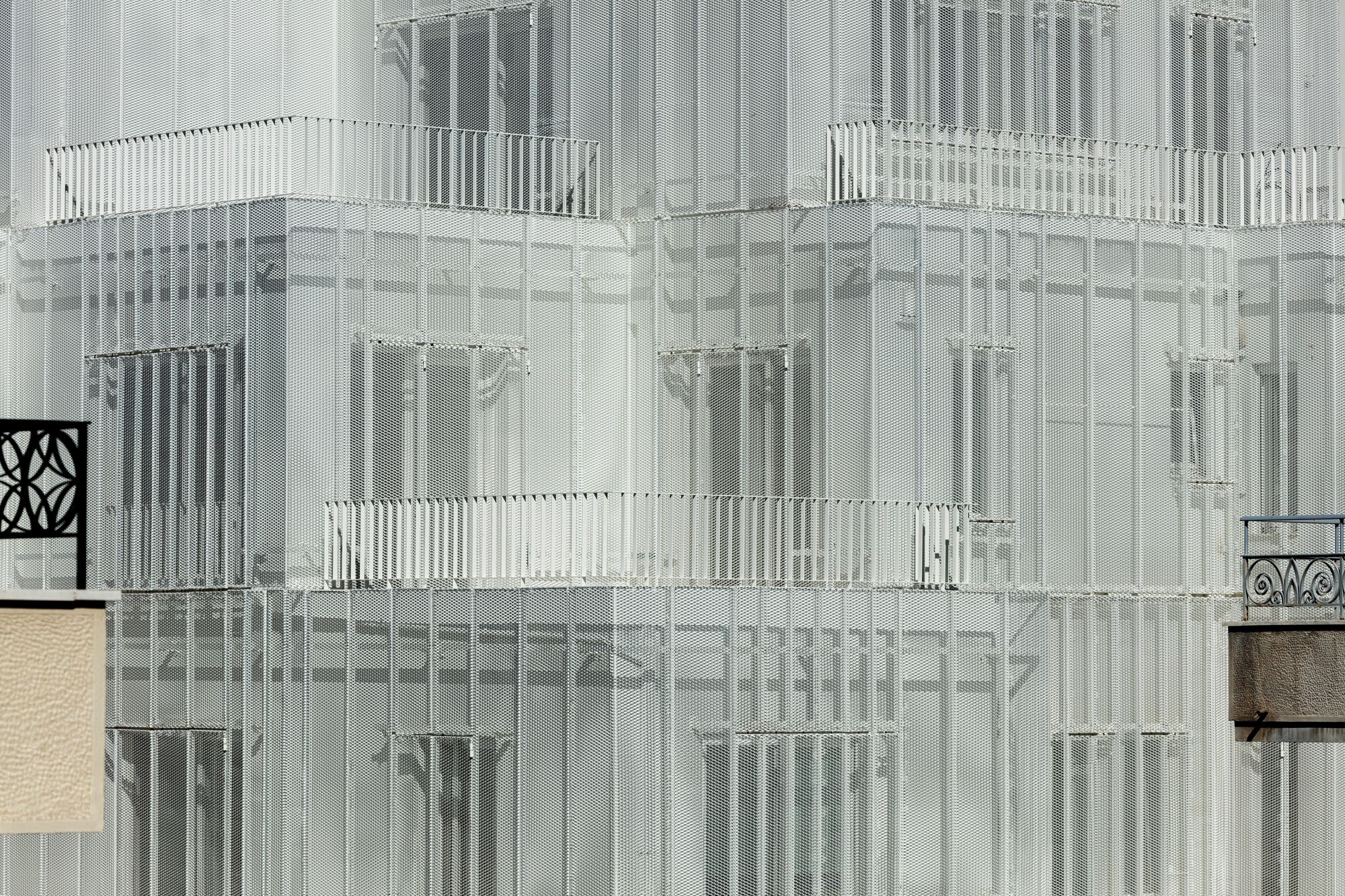
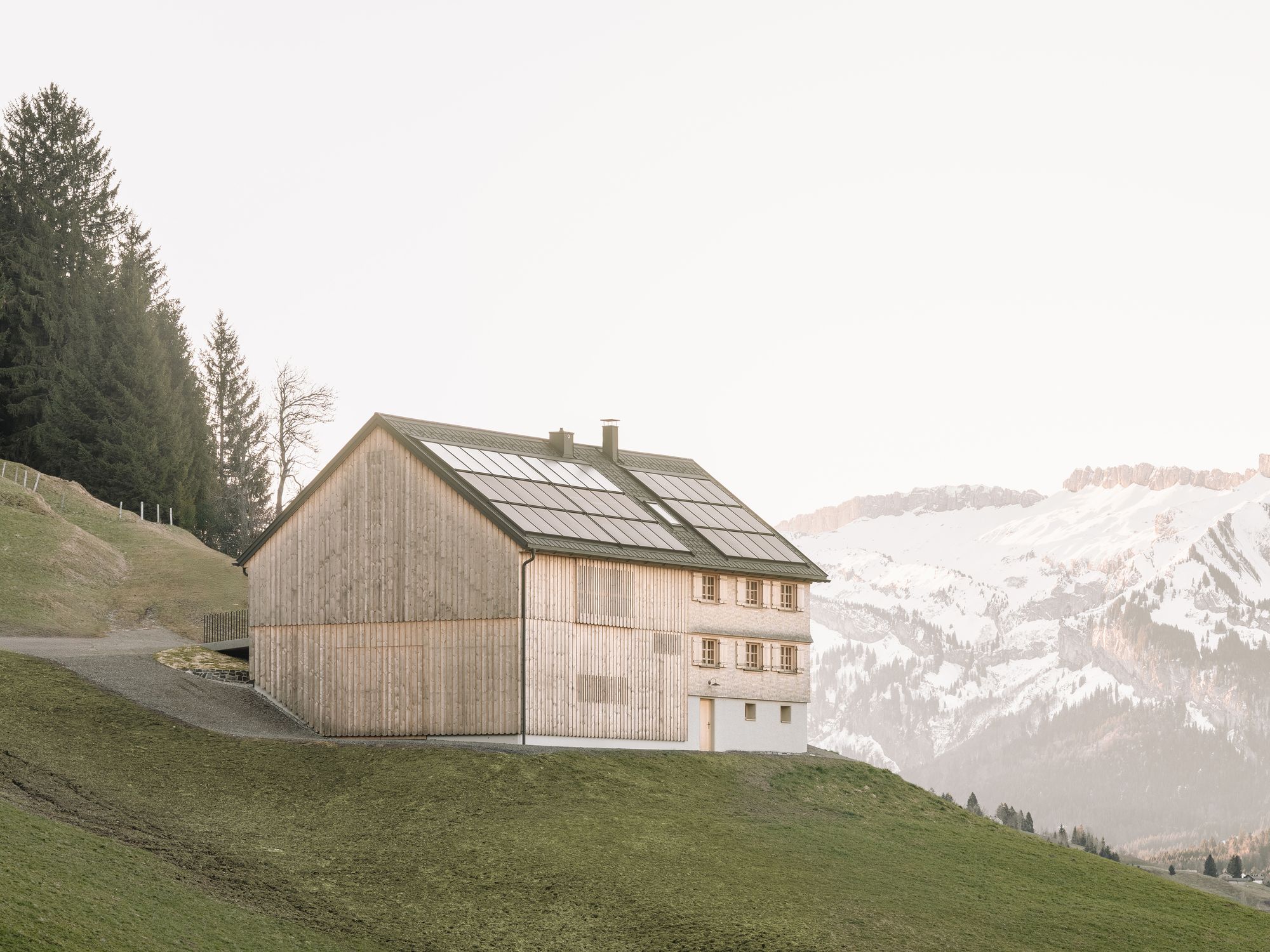
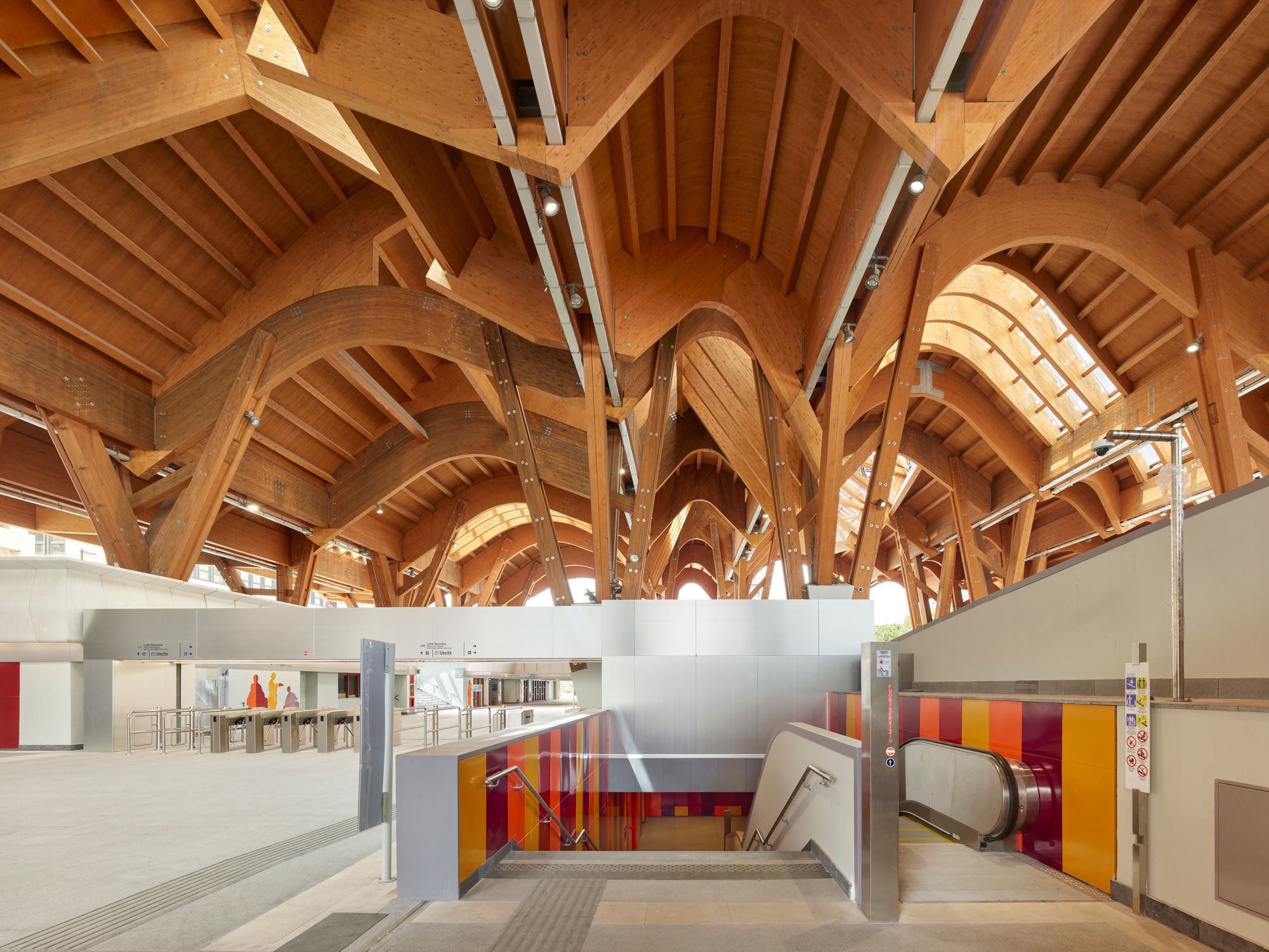
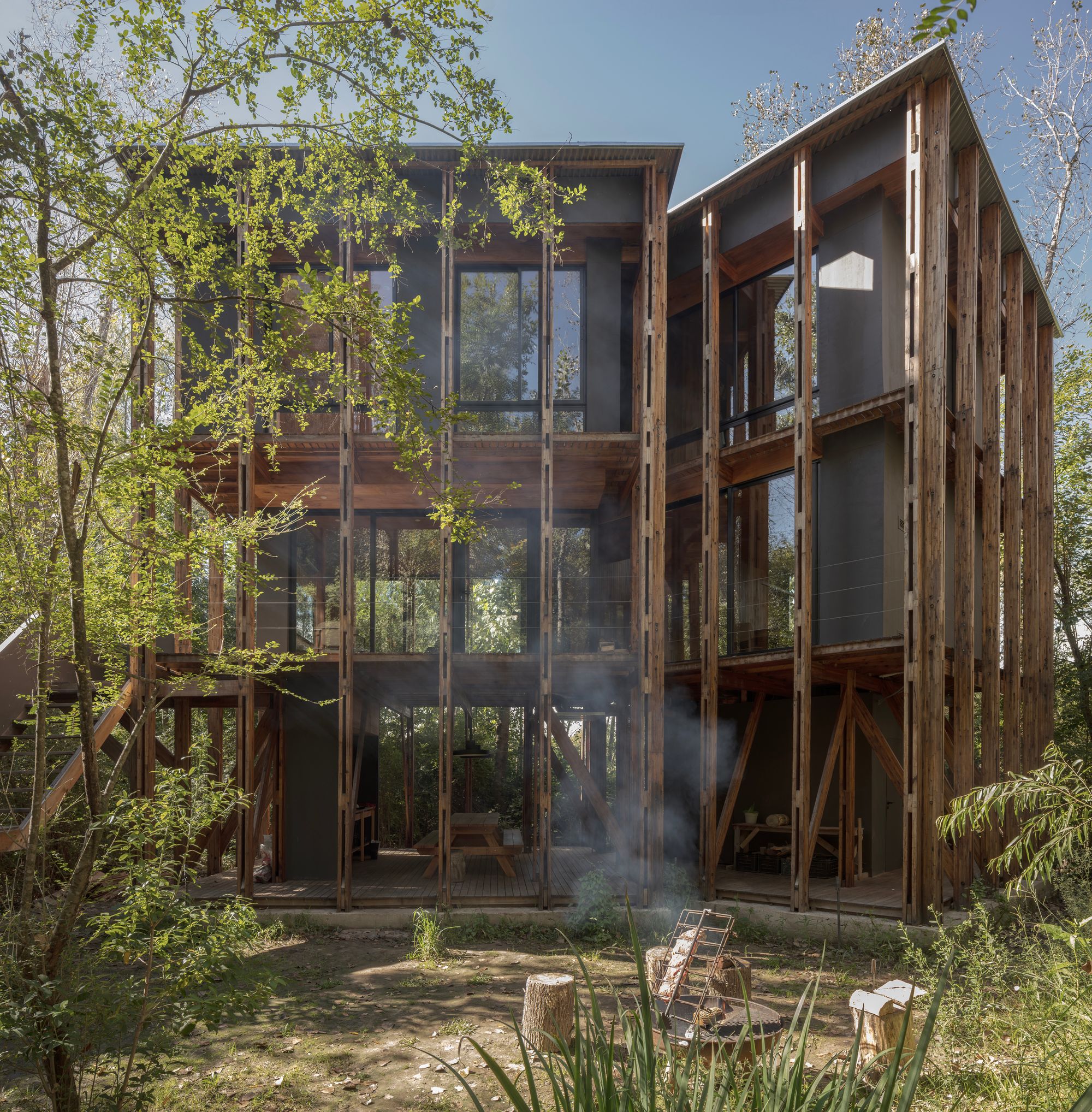
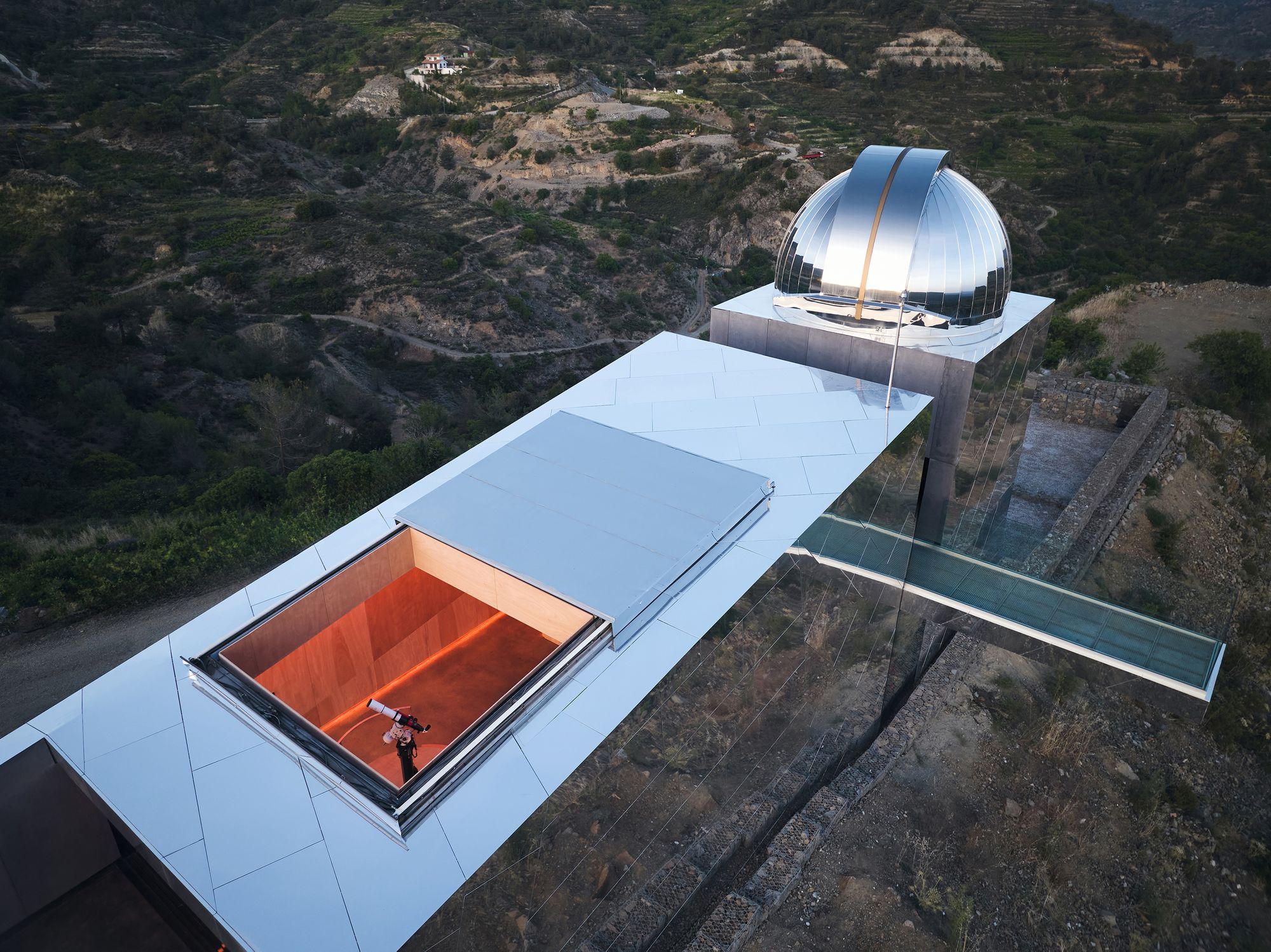
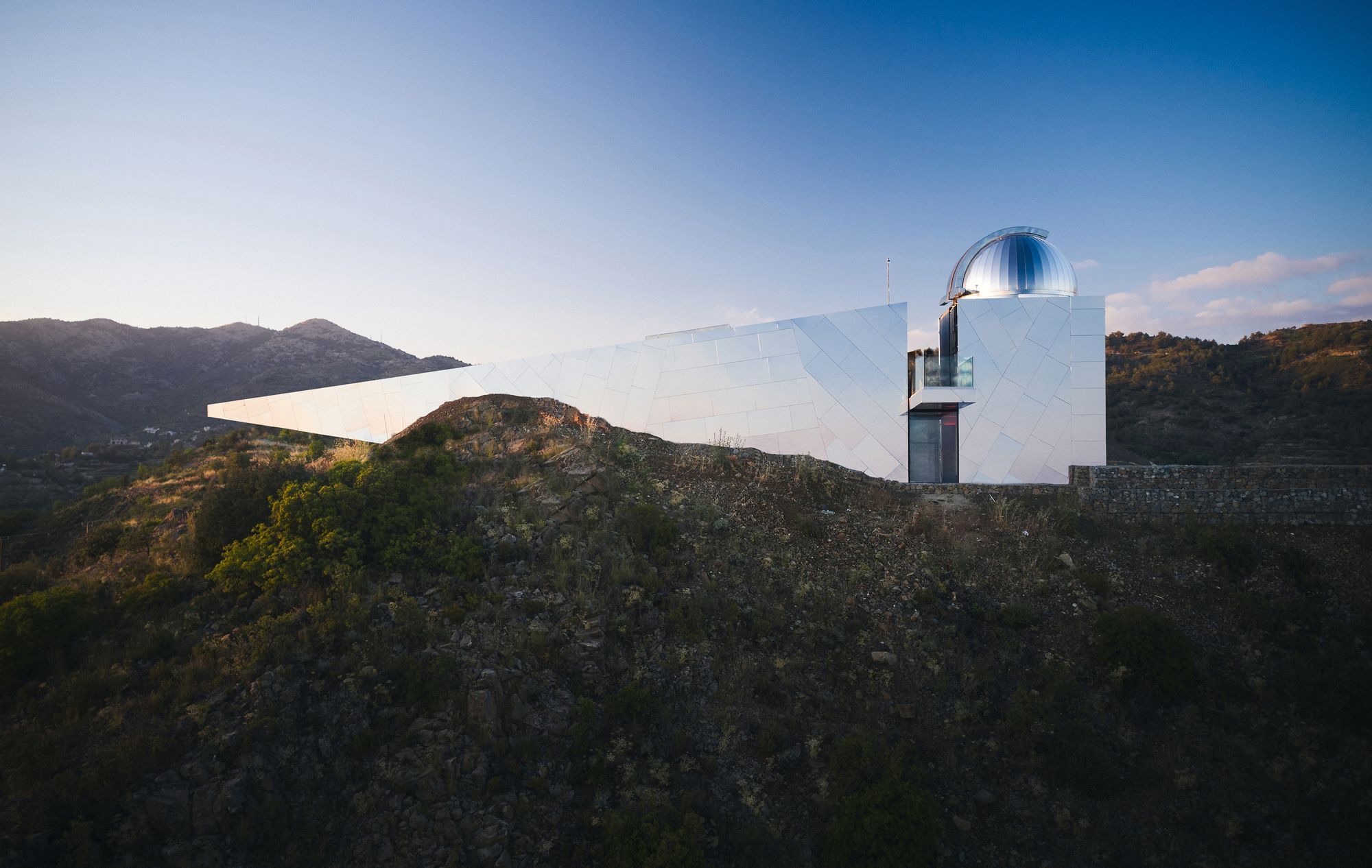
Among the architectural winners, adaptive reuse and the contemporary interpretation of cultural heritage were equally prominent. The school building created from a former orthopaedic hospital in Vienna, the Siyadi Pearl Museum in Bahrain and the reimagined public spaces of Naples Central Underground Station all demonstrate that today’s most successful architectural projects do more than create buildings – they generate cultural and social value.
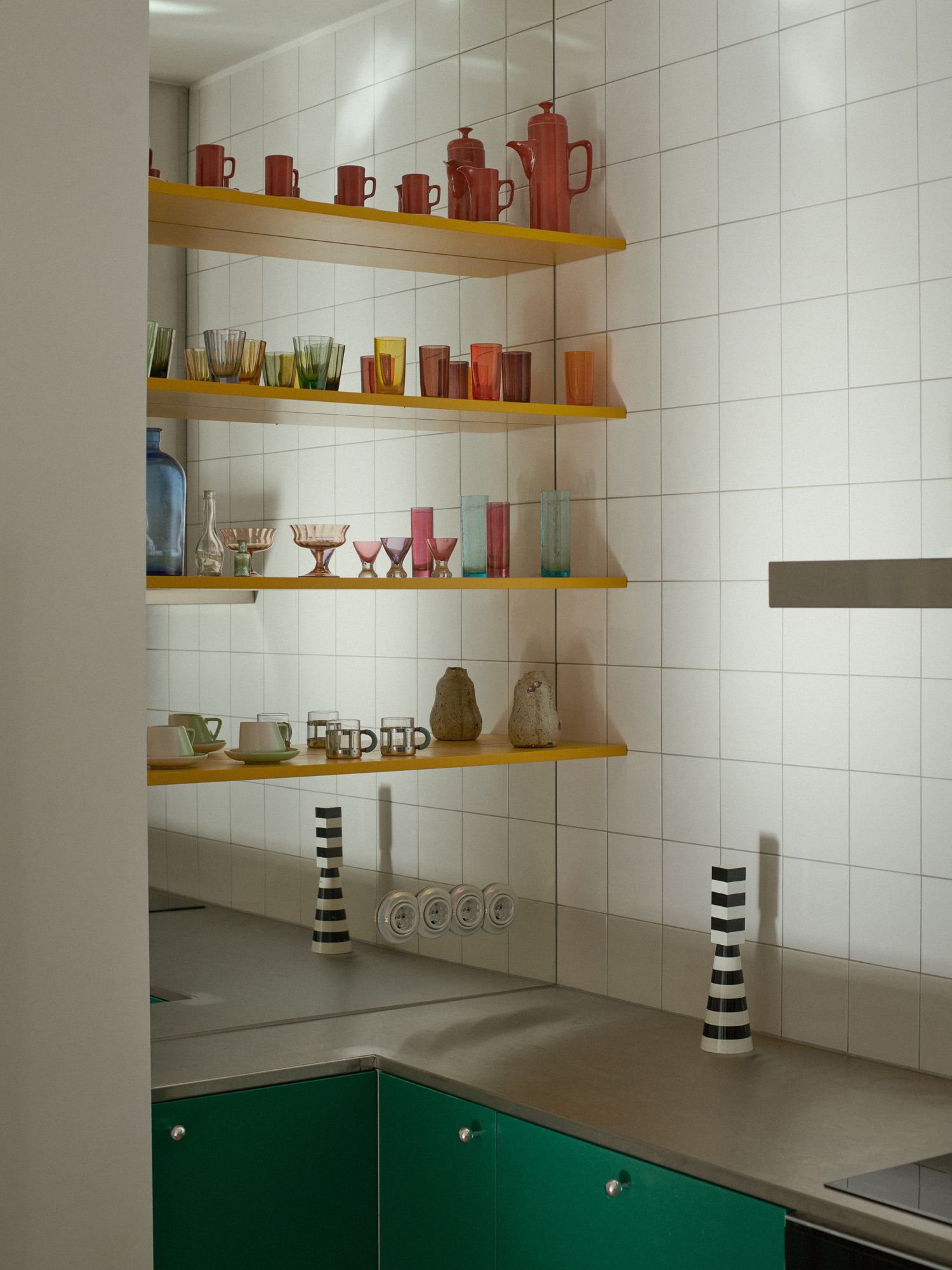
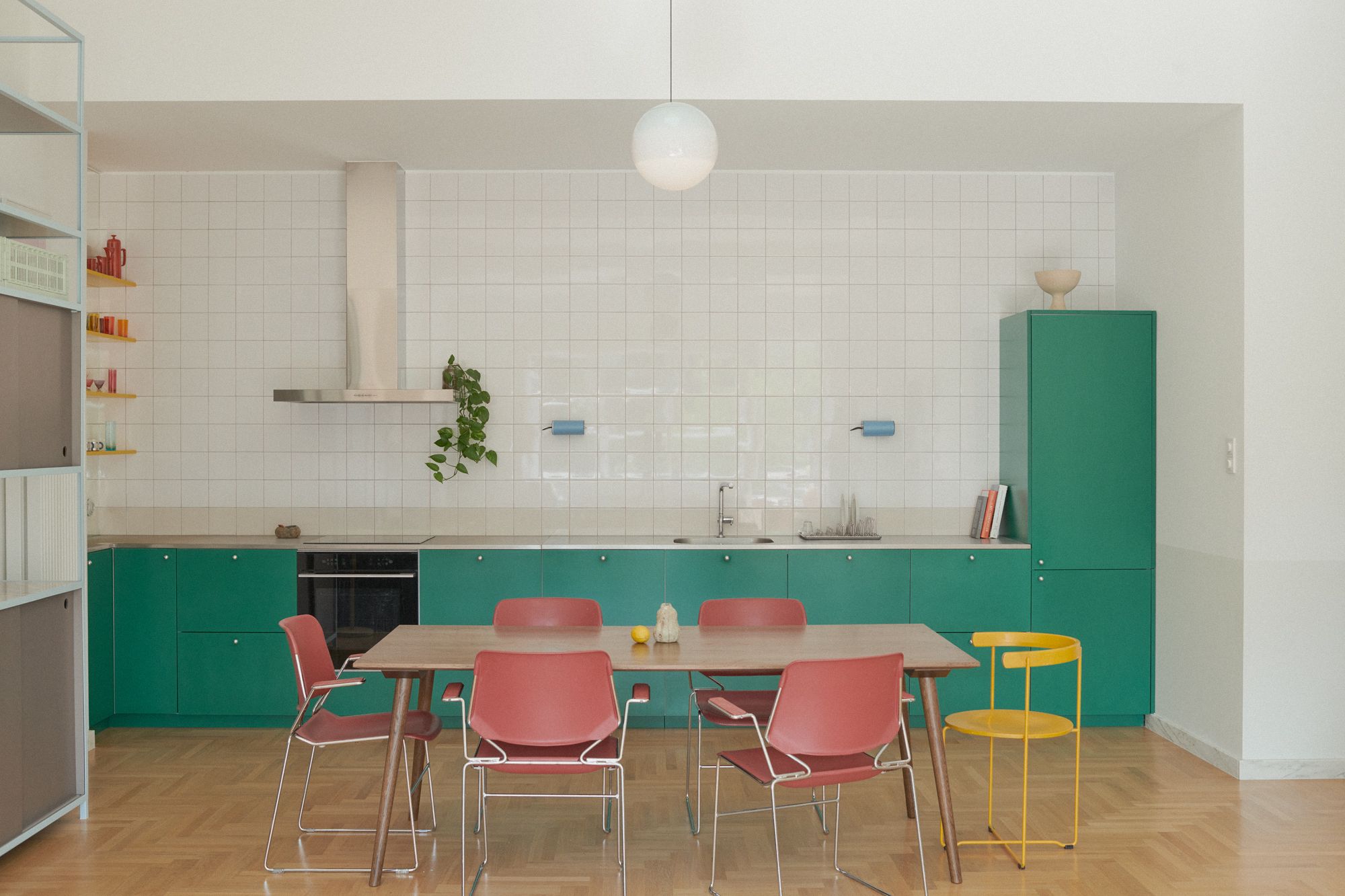
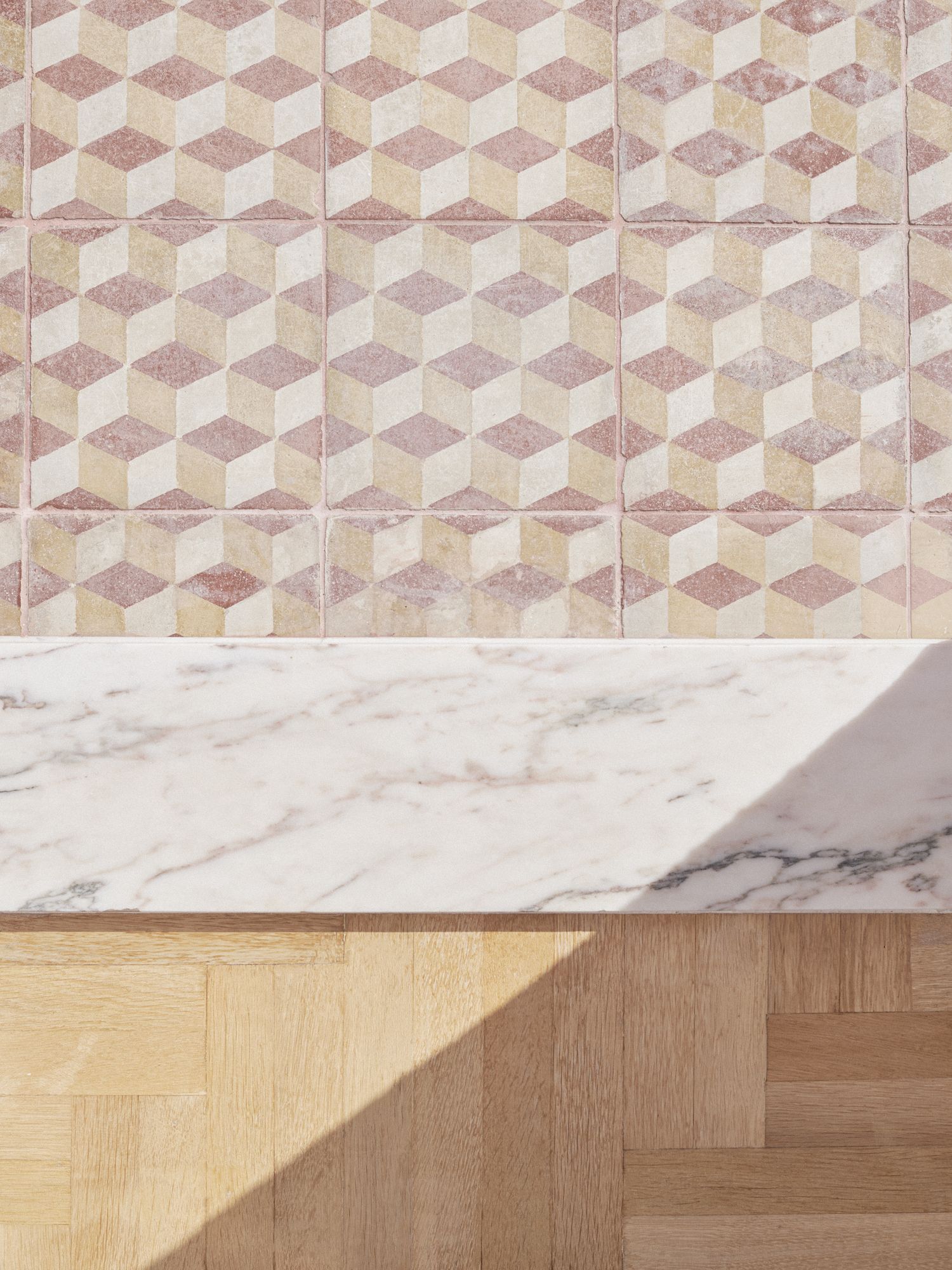
Particular attention should also be paid to a Hungarian success story: Studio Sarolta Huttl’s Budapest-based project, Bauhaus Reimagined, won in the Residential Interior category. Set within a Bauhaus villa built in the 1930s, the apartment achieves a delicate balance between preserving the building’s original architectural character and accommodating the needs of contemporary family life, proving that thoughtful, restrained interventions are often more powerful than spectacular gestures.

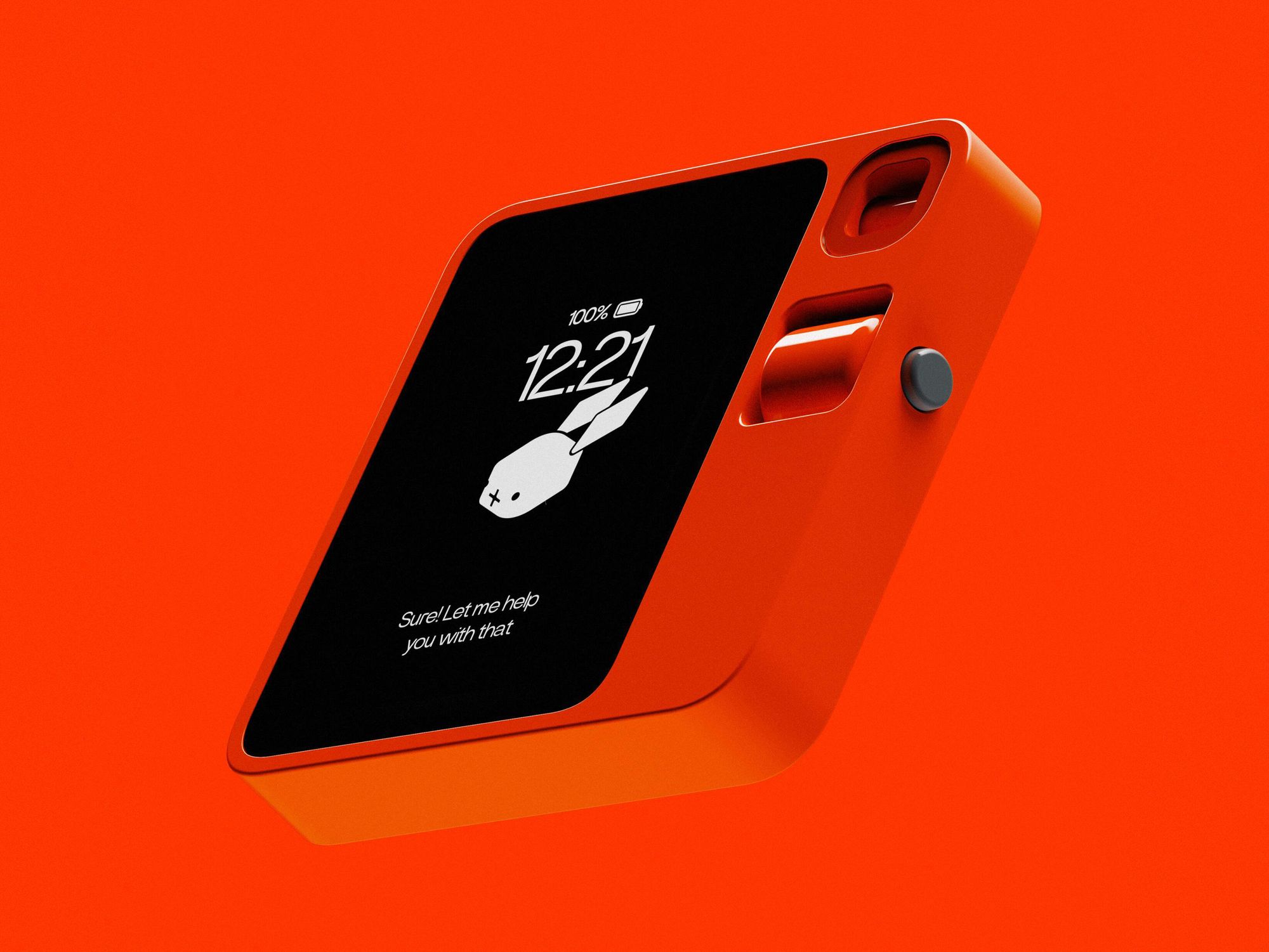
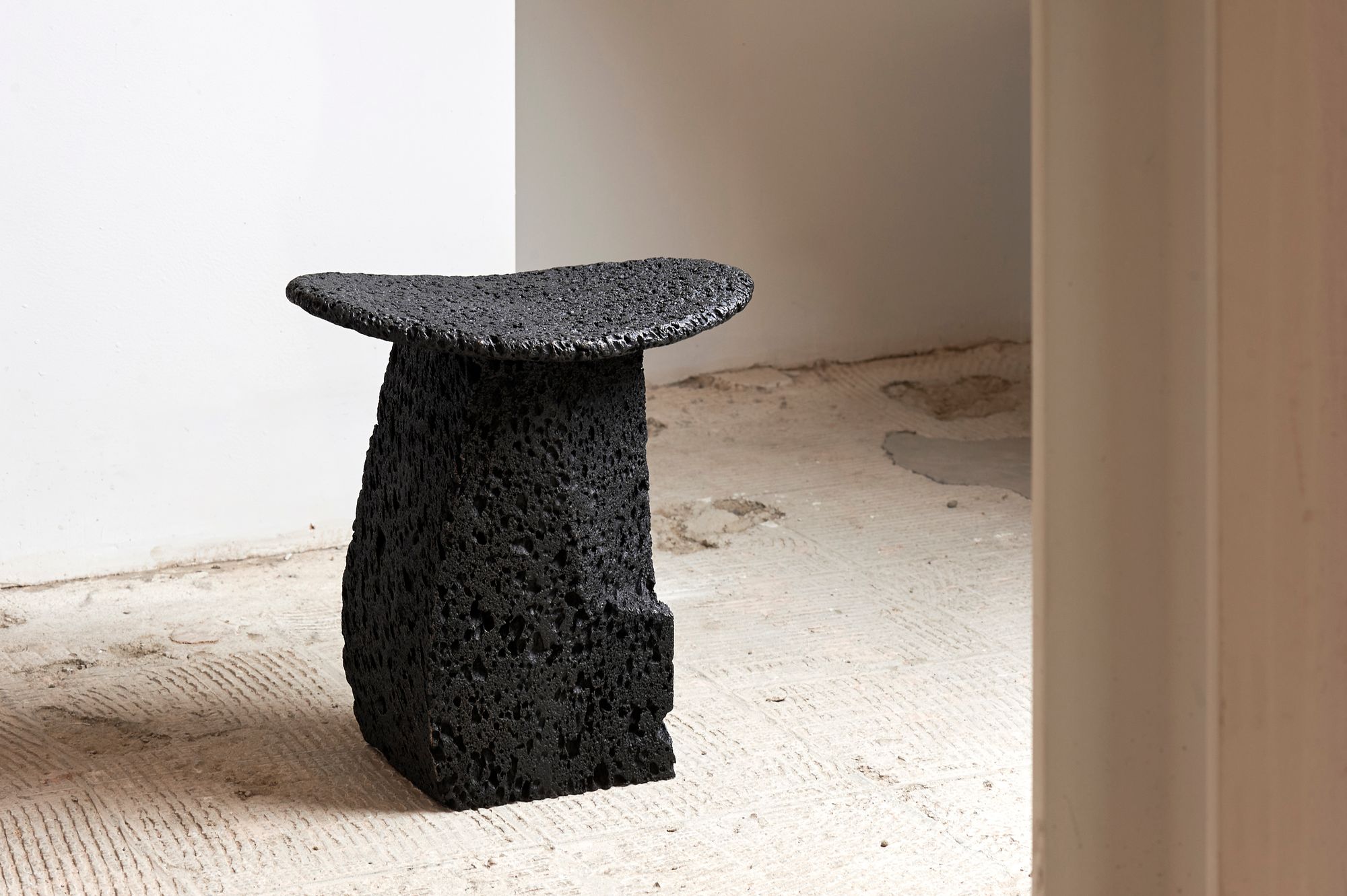
The winners in the product design categories likewise focused on the intersection of functionality and innovation. From the AI-powered rabbit r1 device and the Onggi object series, which reinterprets Korean fermentation traditions, to the Moon Rock Anthe collectible design seat made from recycled automotive components, the awarded projects demonstrate that the future of design can be simultaneously technological, sustainable and culturally sensitive.
The international jury – bringing together leading architects, designers and experts from Europe, North America and Asia – selected projects that go beyond aesthetic excellence. What unites the winners of the BIG SEE Awards 2026 is not a particular style or formal direction, but their ability to offer relevant responses to the social, environmental and cultural challenges of our time through the tools of design. Beyond their individual merits, these awarded projects also offer a glimpse into the direction architecture and design are likely to take in the decade ahead.