


As 2025 is gone, Poland’s built environment once again found itself under the international microscope. From prize-winning cultural projects and long-awaited urban openings to controversies over heritage and gentrification, the year offered a revealing snapshot of a country negotiating between memory, ambition, and global attention. Below is a curated overview of the projects and debates that defined Poland’s architectural conversation—highs, lows, and everything in between—as reported by TVP World.
History reworked: Dom Turku, Augustów
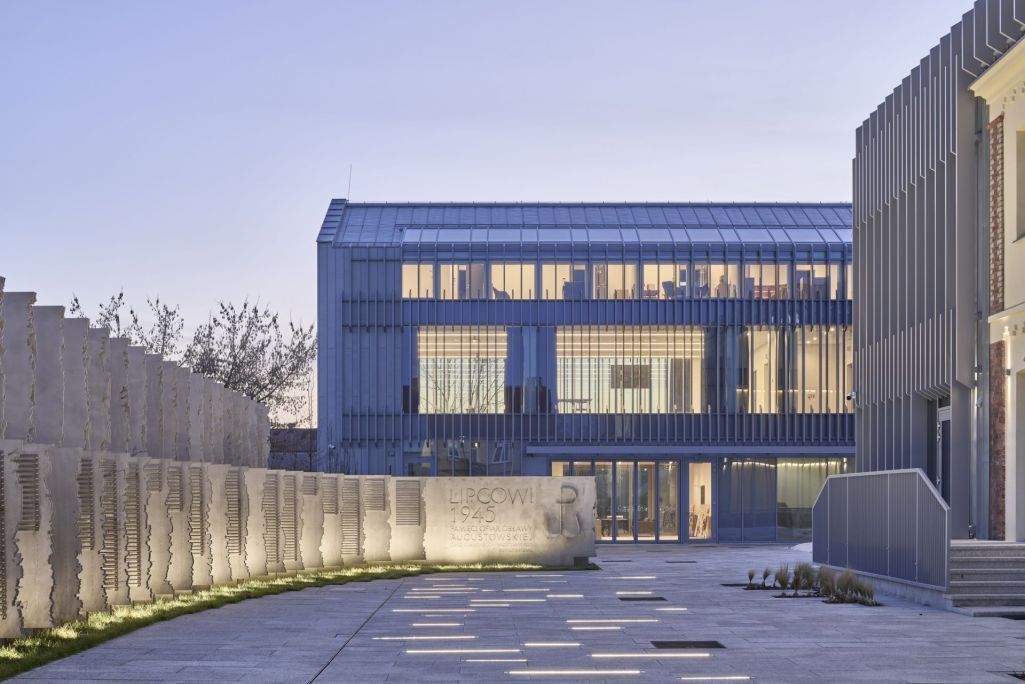
One of the year’s most striking stories came from northeastern Poland, where a former NKVD headquarters—once a site of terror—was transformed into the Museum of the Augustów Roundup. Traces of prison cells remain, embedded within a carefully reimagined structure that uses light, shadow, and a newly introduced vertical façade to evoke both absence and remembrance.
The project’s sensitivity did not go unnoticed: it was shortlisted at the World Architecture Festival, often dubbed the “Oscars of architecture.” Jurors praised its ability to preserve historical truth while creating an emotionally resonant, contemporary museum experience.
A modernist city eyes UNESCO: Gdynia
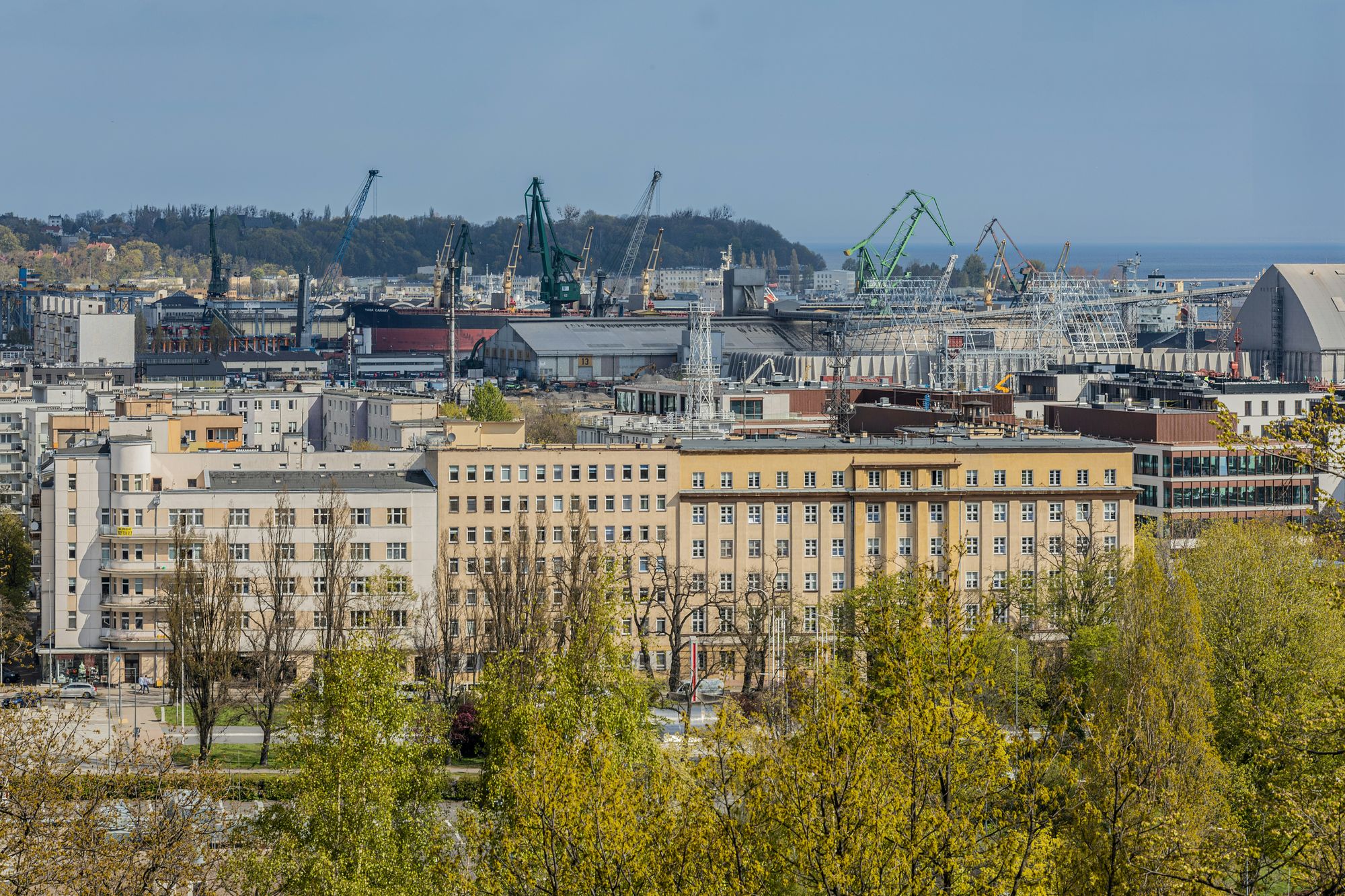
After years on UNESCO’s Tentative List, Gdynia’s remarkably intact modernist city center moved closer to formal recognition. Built during the interwar period as Poland’s maritime gateway, the city’s rationalist architecture has re-emerged as its greatest asset.
Following extensive fine-tuning of its application throughout 2025, the city hopes to secure inscription just in time for its centenary—potentially placing Gdynia alongside Poland’s most celebrated heritage sites.
A library that divided a city: Rzeszów
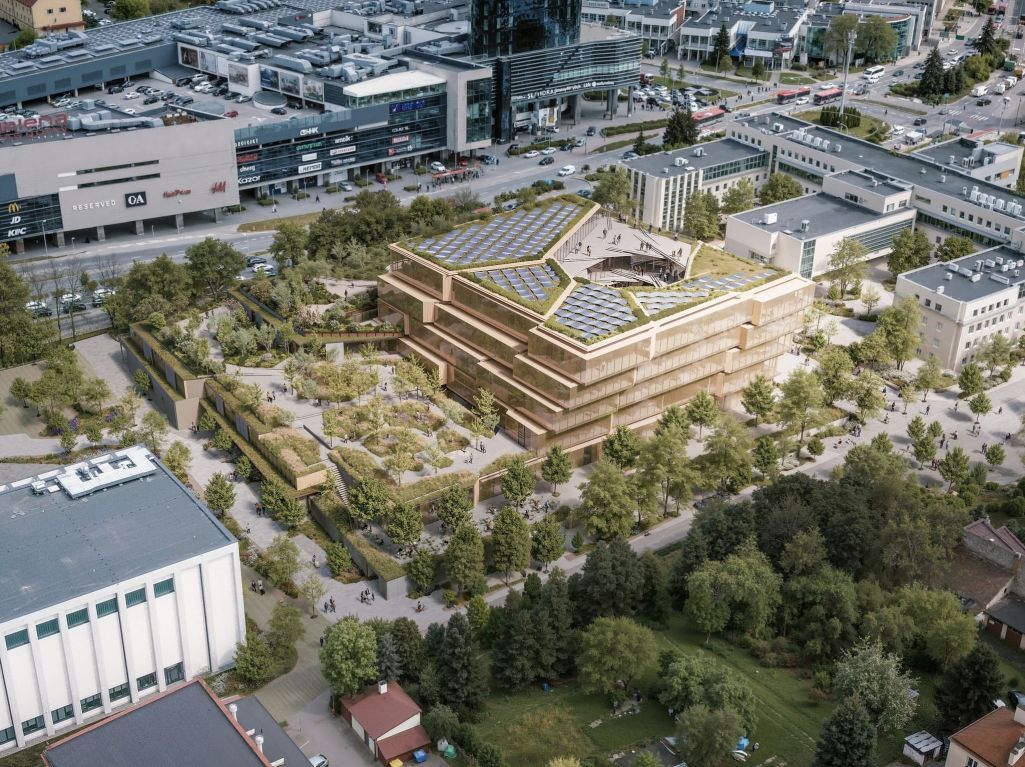
Rzeszów made headlines with plans for a monumental new municipal library, envisioned as a spiraling “Whirlwind of Words.” Designed by Schick Architekci in collaboration with Kengo Kuma & Associates, the project was selected from 27 proposals.
But praise was far from unanimous. The jury vote was narrow, concerns were raised over technical shortcomings, and controversy deepened when it emerged that the city’s mayor had appointed himself to the panel shortly before the final decision. With projected costs already hovering around €106 million, the debate is far from over.
Wrocław’s quiet triumph: Labo
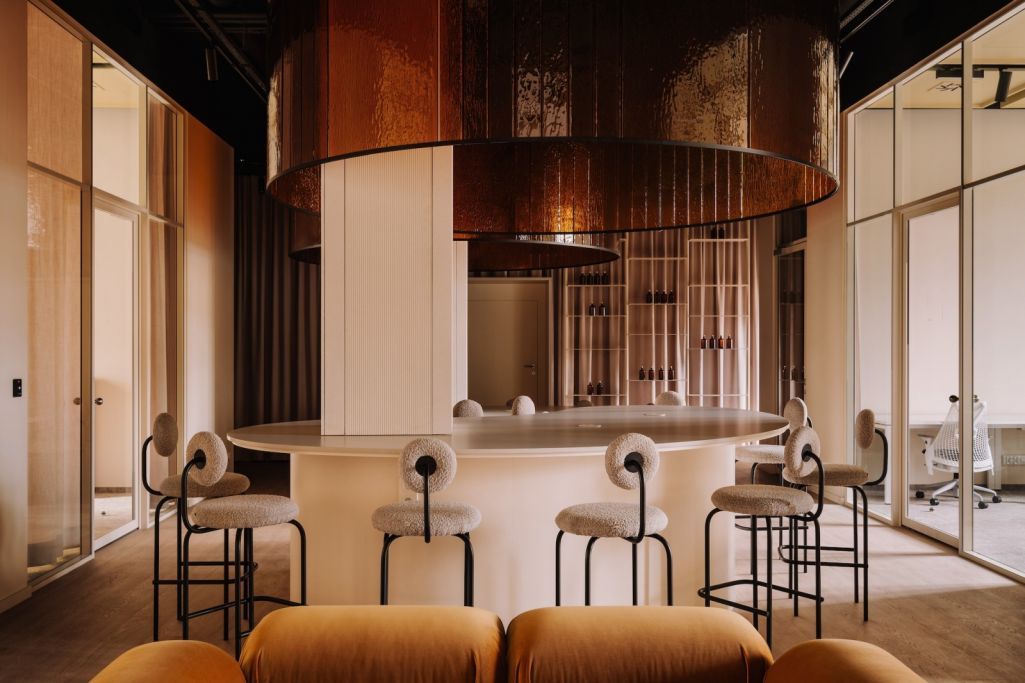
In contrast, Wrocław enjoyed an unequivocal win. Labo—a co-working space housed in a former university pharmacy building—was named the world’s most beautiful in its category at the Restaurant & Bar Design Awards.
Designed by local studio Cudo, the project blends elegance with imagination, using warm caramel hues inspired by vintage pharmaceutical glassware. It was a reminder that adaptive reuse, when done well, can be both subtle and spectacular.
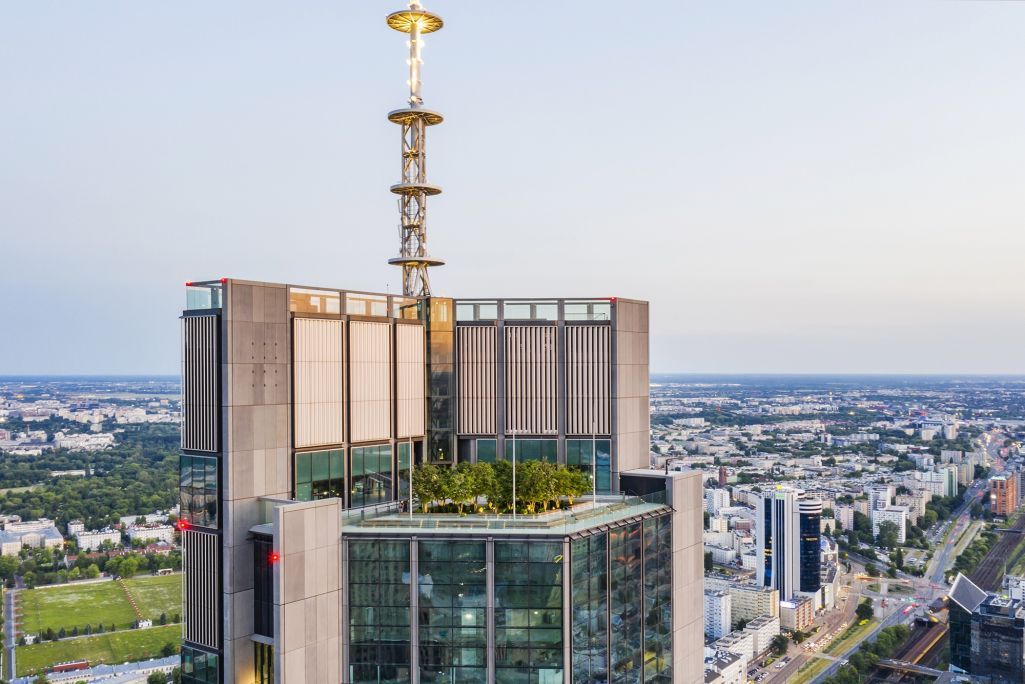
Warsaw from above: Highline at Varso Tower
Three years after the first tenants arrived, the EU’s tallest skyscraper finally opened its observation decks. Operating under the name Highline, the twin terraces atop Varso Tower now rival the Palace of Culture and Science as the city’s premier viewpoint.
Yet not every experiment succeeded. A much-hyped Christmas market at the site drew criticism for sparse decoration and premium pricing—proof that even the highest ambitions can stumble at ground level.
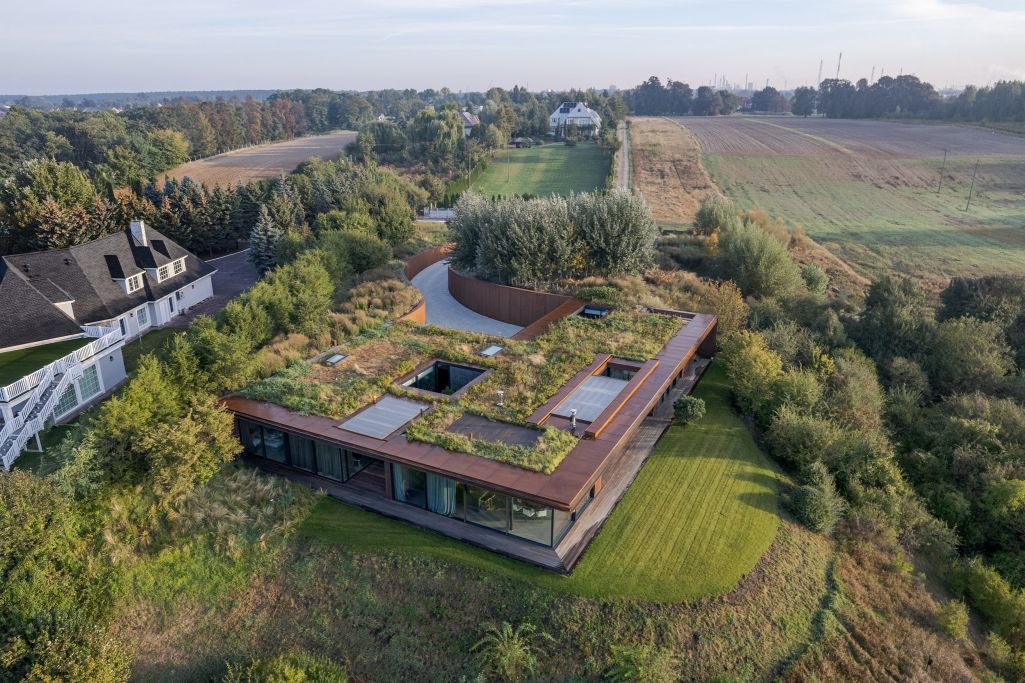
Architecture in dialogue with nature: House in the Slope
Recognition also came for Studio77, whose discreet riverside residence near Warsaw was named among ArchDaily’s Top 100 Projects of 2025. Hidden beneath a green roof and embedded in rolling meadows, the single-story home exemplifies contemporary Polish architecture’s growing emphasis on landscape, restraint, and ecological sensitivity.
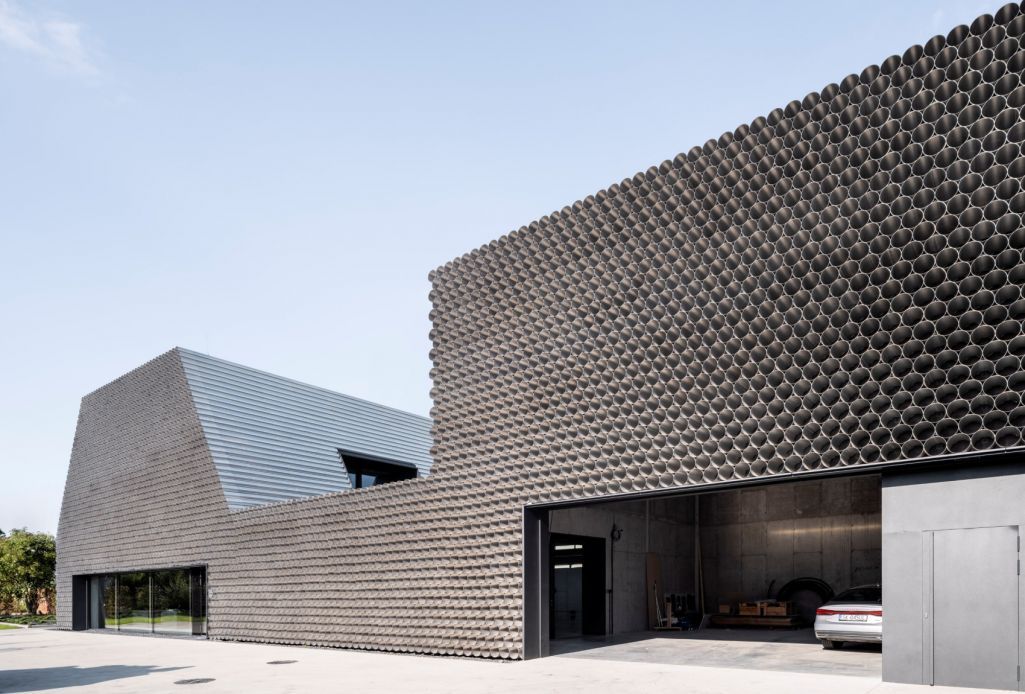
Offices making a statement in Gliwice
In Gliwice, Gambit’s headquarters—designed by KWK Promes—won Office Building of the Year at the Archello Awards. Shaped like a stack of industrial pipes, the building turns corporate function into architectural narrative.
Elsewhere, Poland also claimed Archello’s public vote prize for Promenada, a low-rise apart-hotel in Władysławowo, underscoring the country’s growing presence on the international awards circuit.
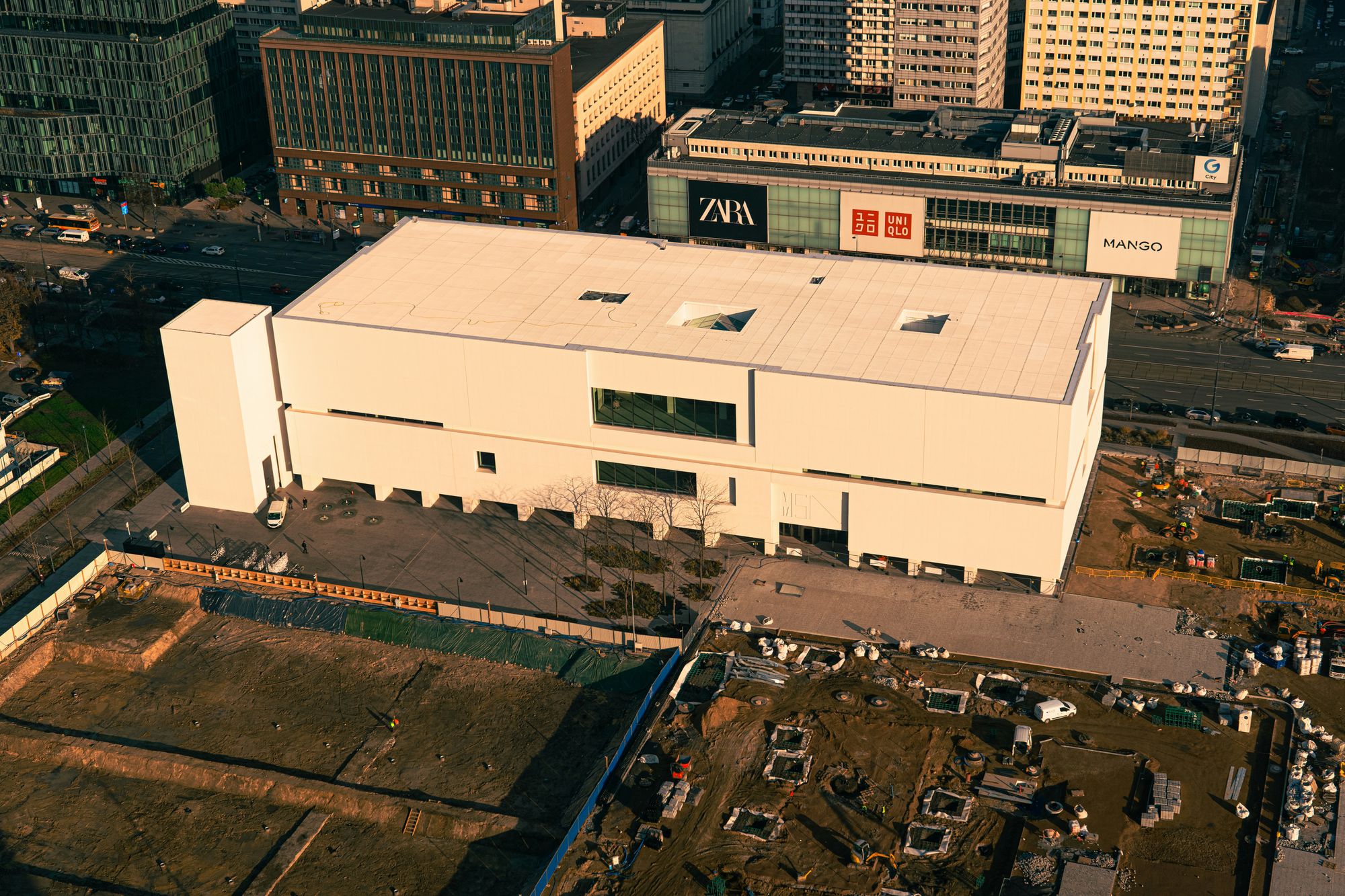
Redemption arc: Museum of Modern Art, Warsaw
Once mocked as a “logistics warehouse,” Warsaw’s Museum of Modern Art completed one of the year’s most dramatic reputational turnarounds. In 2025, it was named among the world’s greatest places by Time and one of the top global openings by Lonely Planet.
Shortlisted again at the World Architecture Festival, the building was praised for its timeless white façade and monumental, symmetrical staircase—cementing architect Thomas Phifer’s vision as a late-blooming success.
Building with timber: Sylva, Wiele
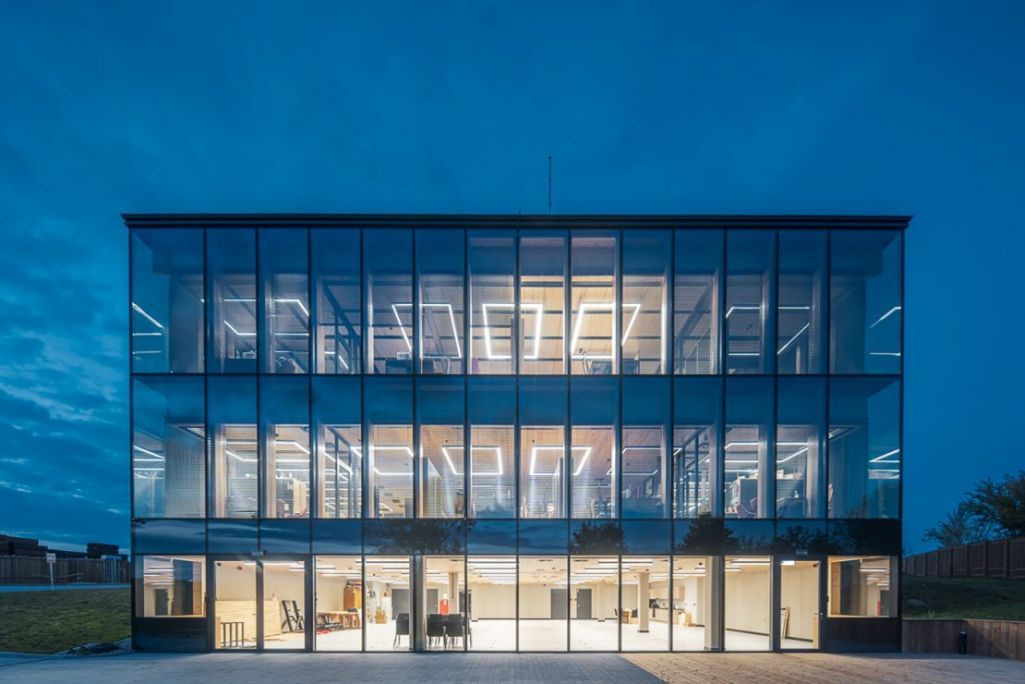
Finally, the small town of Wiele found itself at the forefront of sustainable construction. Sylva, Poland’s first office building made from cross-laminated timber (CLT), showcased how low-carbon materials can scale without sacrificing architectural quality.
For its designers, the project signals a broader shift—one where ecological responsibility and aesthetic ambition are no longer competing priorities.
via TVP World
photo credits: Highline Warsaw / Facebook, press materials, unsplash