


We are living in an exceptionally turbulent time, where external conditions shift so rapidly that constant adaptation has become a necessity. This reality affects not only individuals and the labour market, but businesses as well.
Unfortunately, those who fail to keep pace with emerging trends and to subtly reinvent themselves in response to changing commercial landscapes often struggle to survive. Many bookstores, unable to withstand the growing pressure of competition, are unfortunately forced to close their doors.
Covid lockdowns compelled many literary shops, to shut temporarily and, in many cases, never reopen. Cheap online bookstores, audiobooks, rising rents, and the ongoing economic crisis continue to undermine the traditional book business. To stay afloat, diversification has become essential. Nowadays bookstores must stop being “just a bookstore” to make people visit them.
The new book retail concept includes public spaces for hosting events such as author meetings and book clubs, as well as selling gifts, stationery and merchandise alongside books. Modern bookstores are no longer simply places to buy books; they are public spaces for coworking, meeting friends over coffee, and spending time comfortably. They are places where people want to return to again and again.
The ambient atmosphere is very important for customers. However, to truly stand apart, a bookstore cannot rely on a striking interior alone; it must offer a carefully curated and distinctive selection of books that differentiates it from chain retailers.
Today, many people use physical businesses primarily as showrooms. For example, when someone wants to buy a new pair of shoes, they may visit a branded store to try them on, only to order the same pair online at a lower price. The same pattern applies to bookstores: customers browse and leaf through books in person, but ultimately purchase them on online platforms.
“Podpisnye Izdaniya” is one of the oldest bookstores in Saint Petersburg. Its name comes from a term from the Soviet era meaning “books received by subscription.” At that time, “subscription” referred to taking advance orders for books. In Soviet times, good books were hard to come by, and it was considered pure luck to receive the collected works of a beloved author.
Since 1958, Podpisnye Izdaniya has been located in a building designed in the Northern Modern style. The store has experienced many ups and downs throughout its history. In 2012, it occupied only 90 m² on the first floor, while the second floor was rented to nightclubs, including one known for serving tequila shots from a bartender’s navel. Luckily, the store eventually prospered and expanded to 1,100 m², gradually incorporating additional space over time. It was fully restored and renovated, transforming into the iconic space it is today.
The interior of Podpisnye Izdaniya blends historical charm with modern functional design. Tall wooden shelves, cozy reading corners, and preserved antique details create an atmosphere of intellectual comfort. Every day, thousands of visitors come through its doors, making it a must-see destination for tourists.
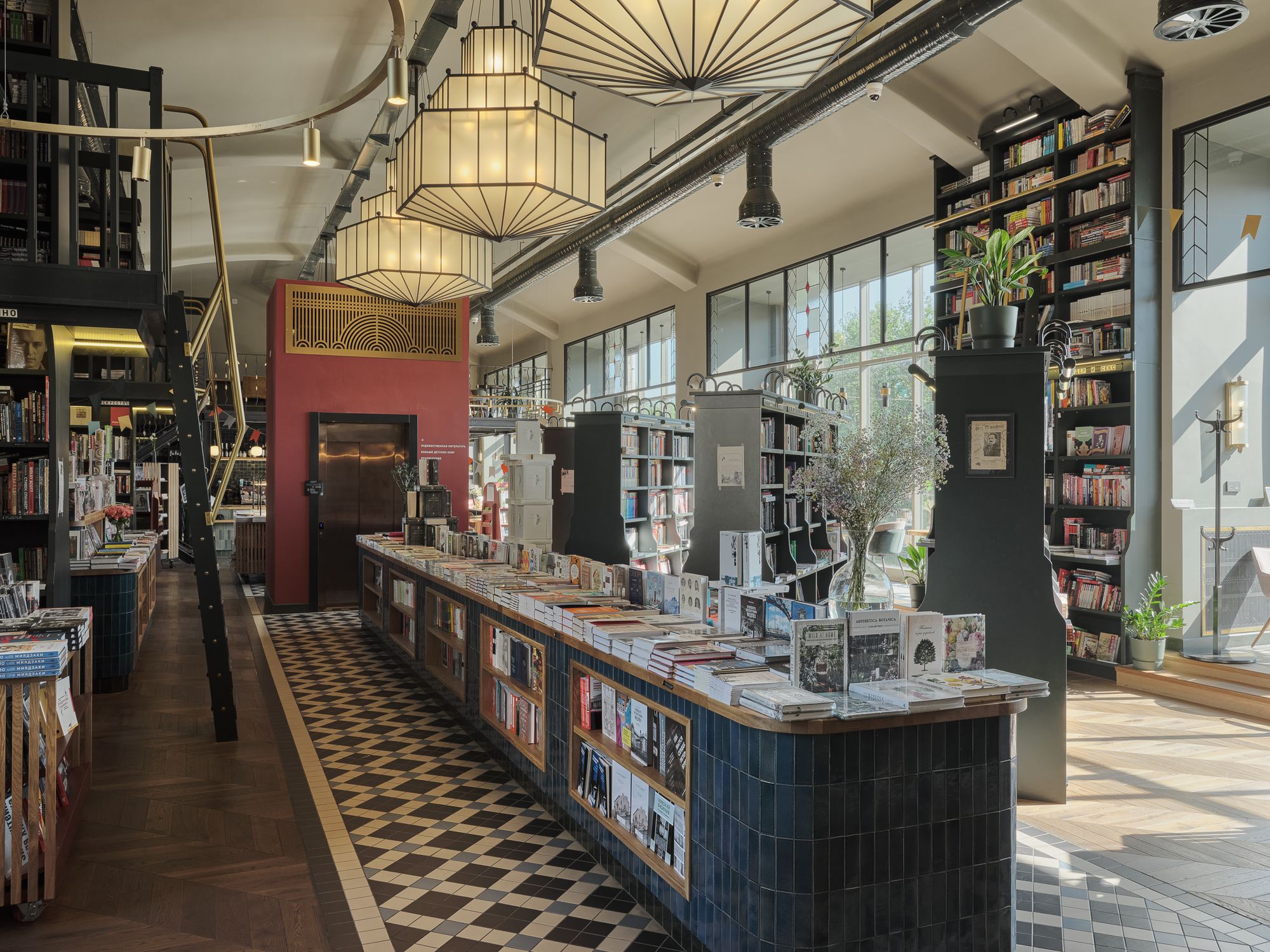
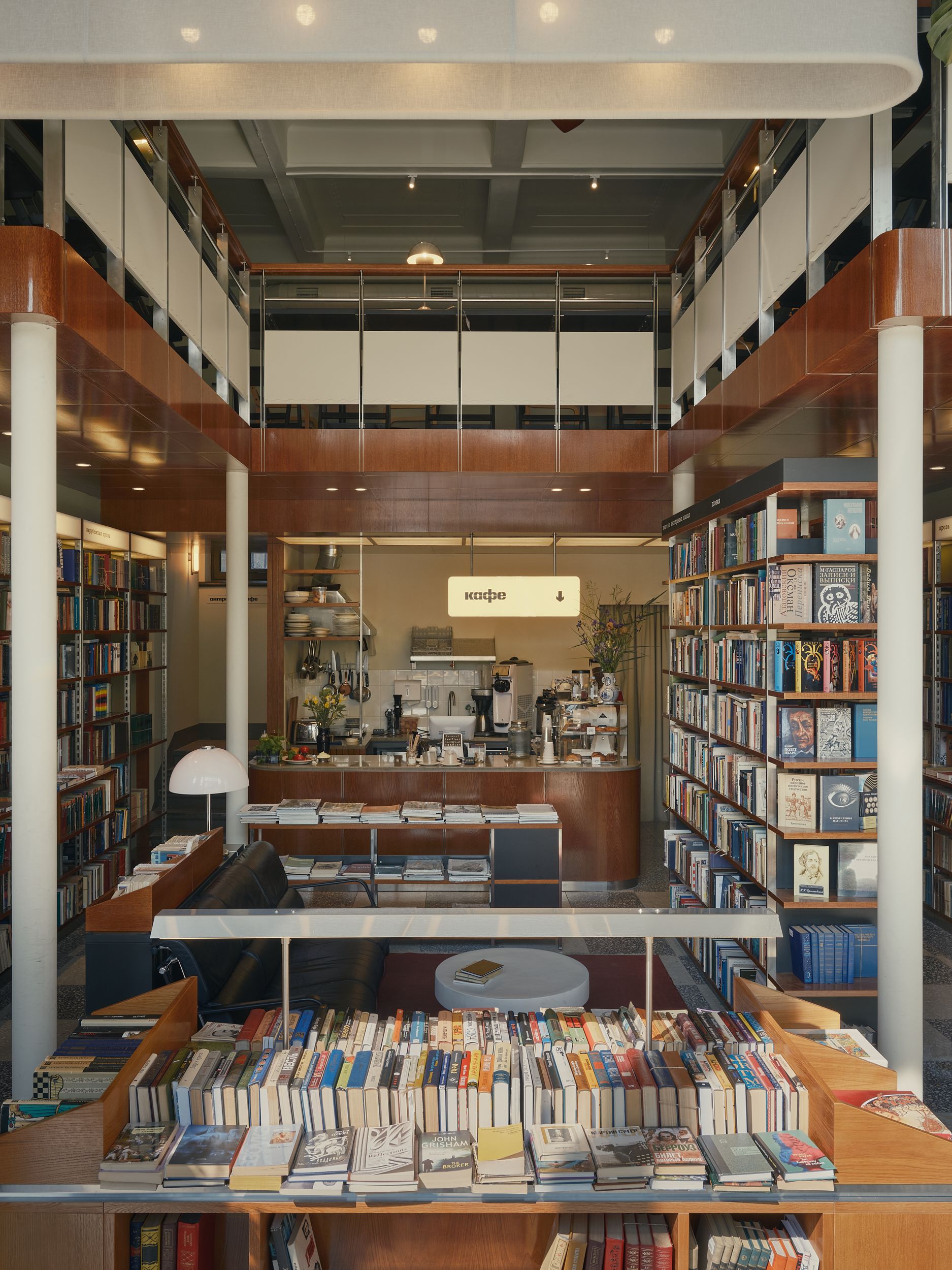
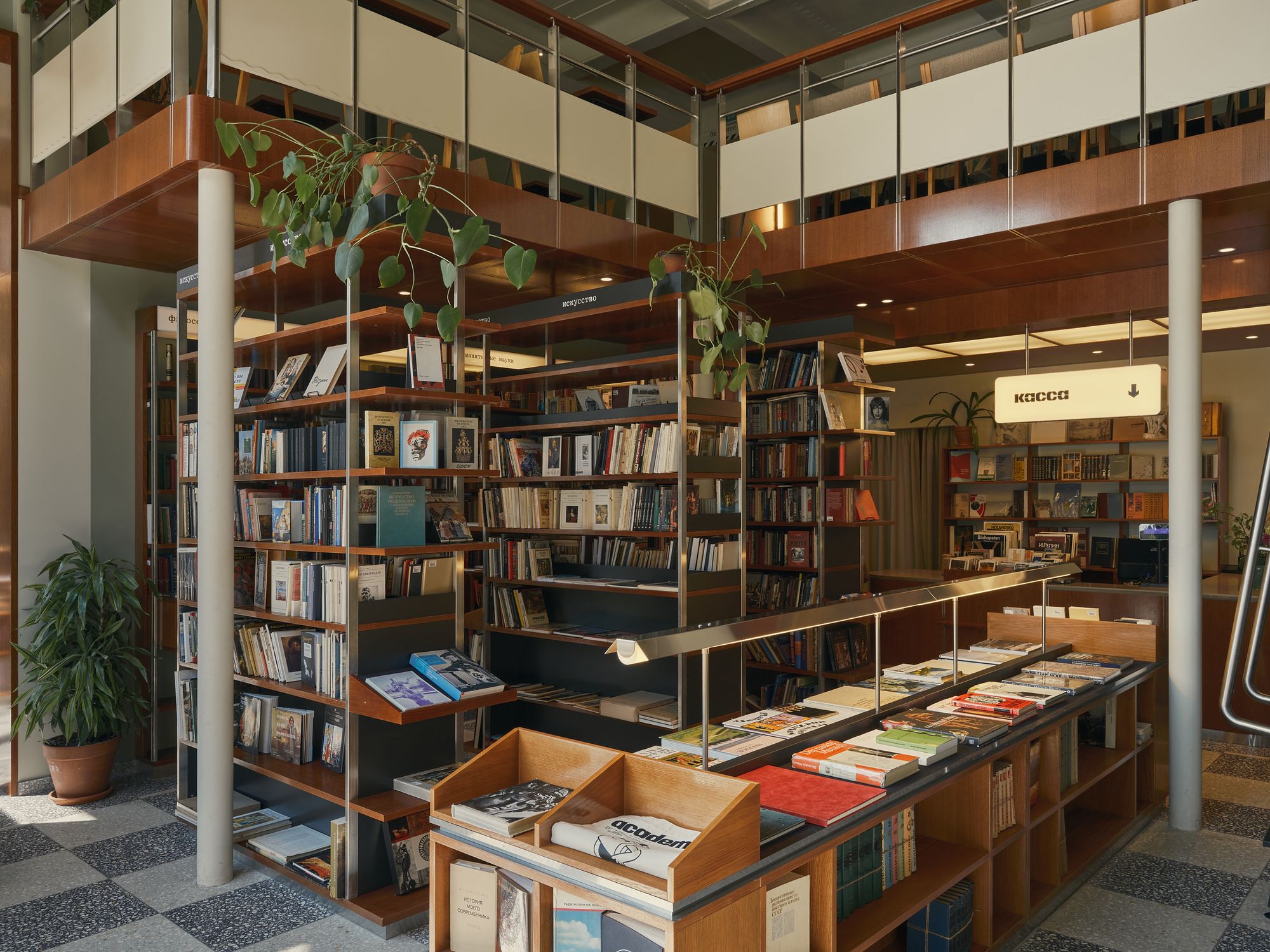
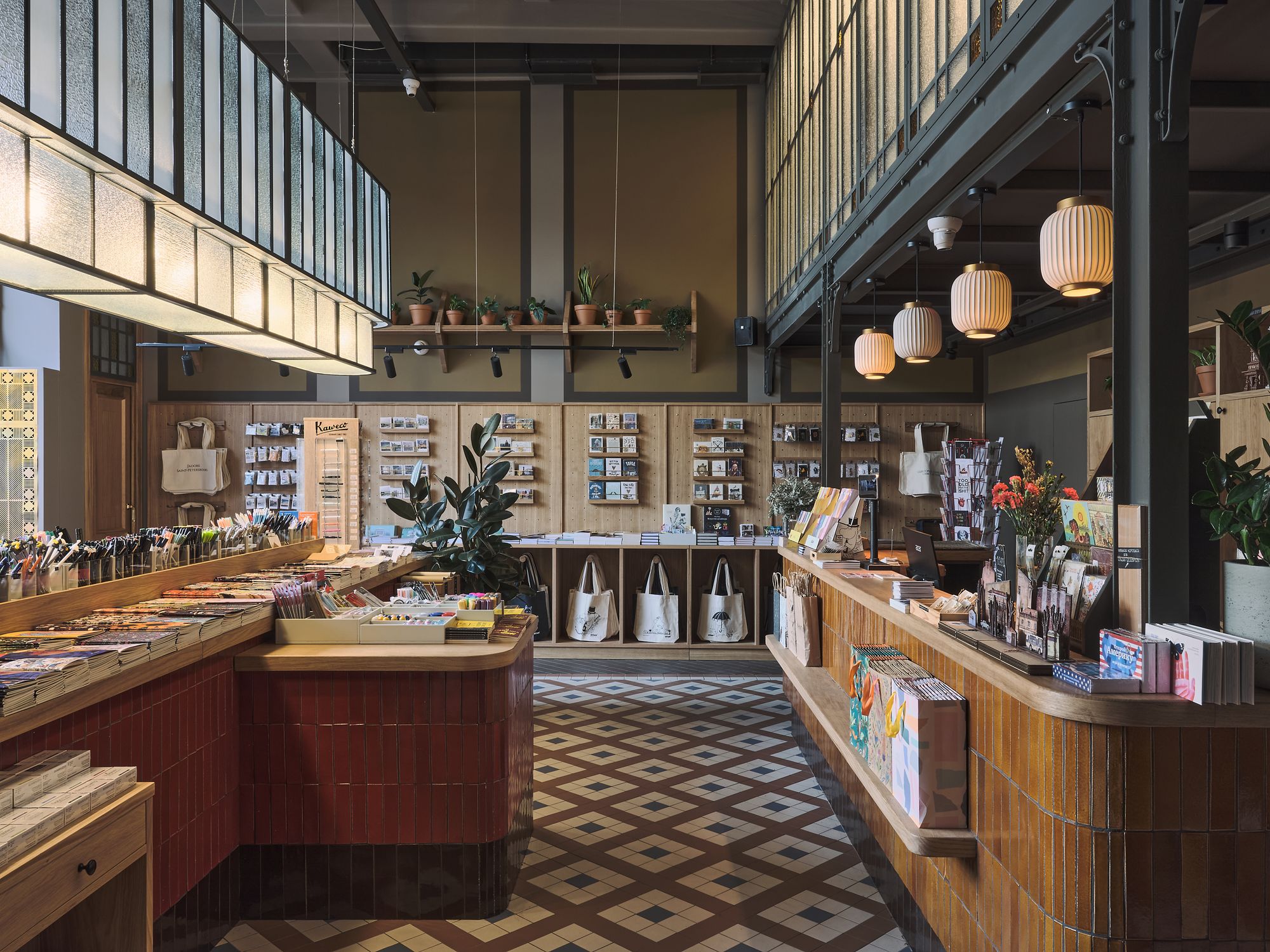
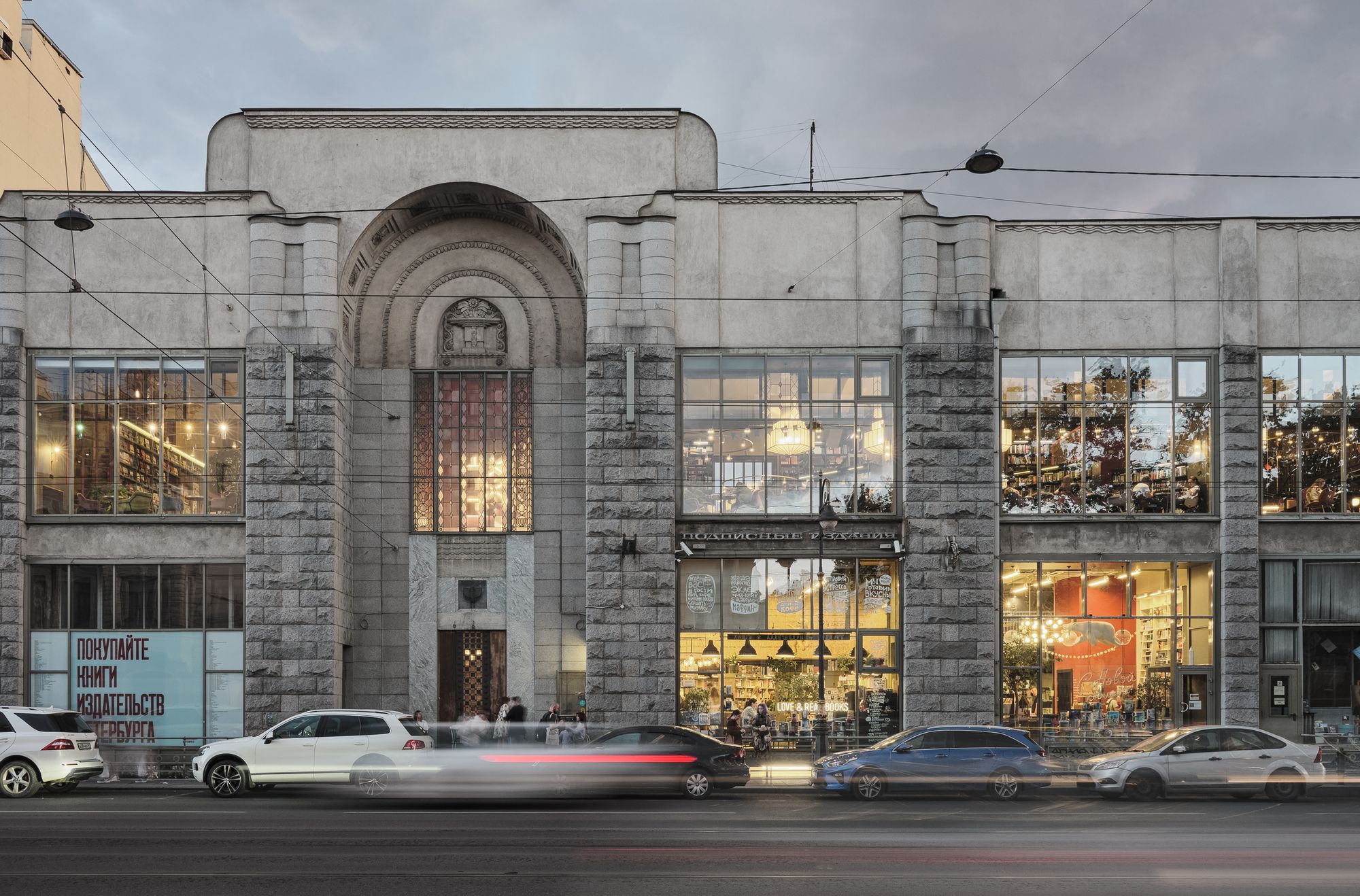
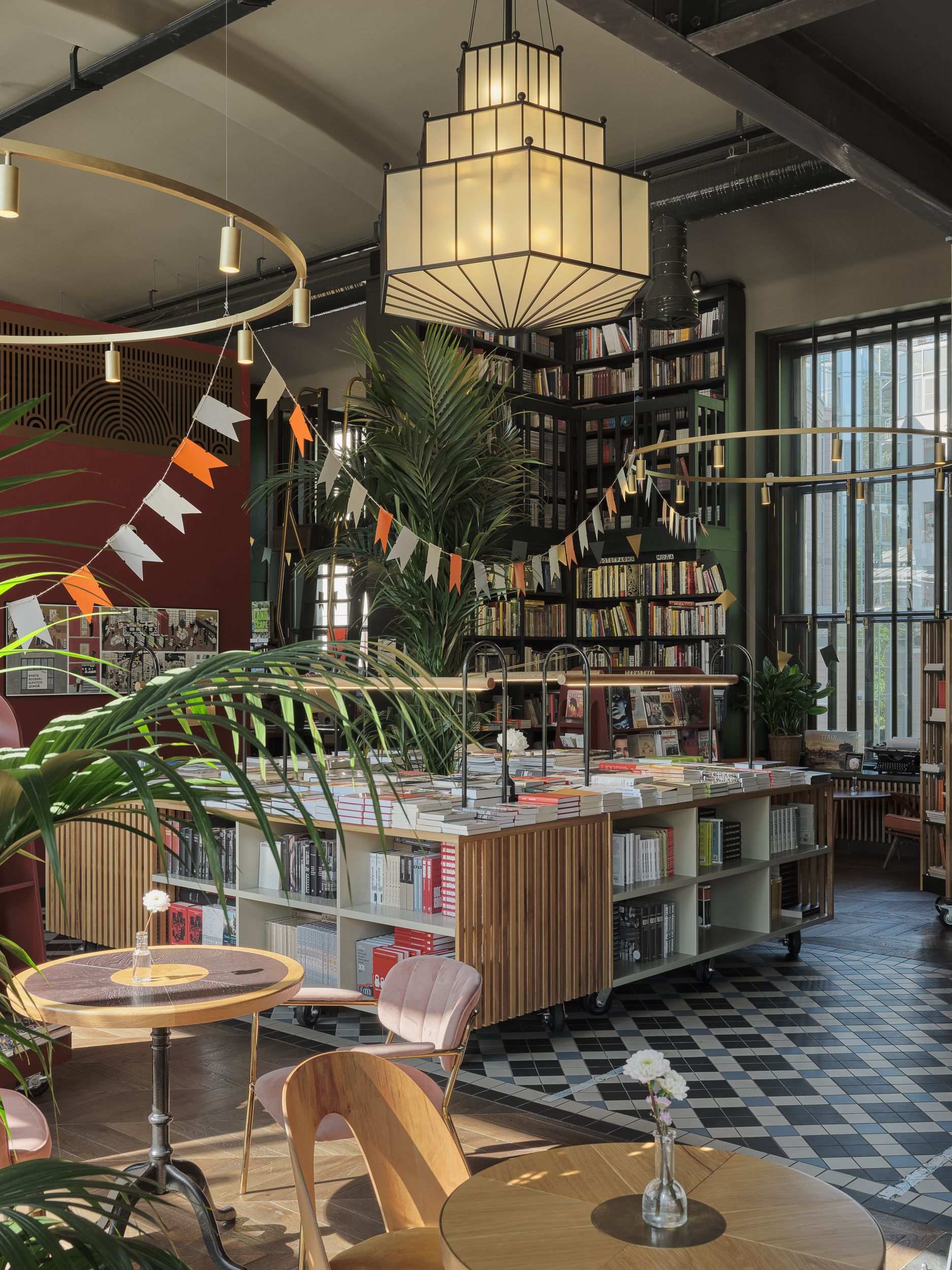
In 2014, the store launched its own stationery and souvenir production, helping to reduce its tax burden. An essential part of the business is its active Instagram presence: the store now has 268,000 followers - impressive, considering that nowadays Instagram is only accessible in Russia via VPN. Creative posts from the shop’s employees about new releases often go viral, drawing attention even from those who aren’t typically interested in reading.
Cafés are another central feature of the store — there are two in total. The concept invites visitors to linger, transforming the space into a place where people spend hours savoring some of the best coffee in the city, complemented by a carefully curated selection of pastries and desserts. Interestingly, while many businesses even cafés typically source their baked goods externally, Podpisnye Izdaniya strives for uniqueness by baking everything in-house. This business strategy is precisely what sets it apart from other competitors.
Another example of a book business that is keeping pace with the times is REaD, located in Tallinn, Estonia. Unlike long-established historical bookstores such as Podpisnye Izdaniya in Saint Petersburg, REaD is a relatively young project. Its story began in 2015 in Tallinn’s Old Town, and in 2023 the bookstore relocated to the Ankrusaal space at Põhjala Tehas (“Northern Factory”).
The shop is housed within one of the buildings of a vibrant creative hub, cultural center, and community space developed on the site of a former rubber factory. Until 1998, the factory produced pacifiers, shoes, toys, and rubberized clothing. Once a neglected area with a poor reputation, the Kopli district has since been given new life and has become, among other things, a meeting place for people who love books.
The name REaD was chosen deliberately. The bookstore primarily focuses on selling second-hand books, while also offering a carefully curated selection of new titles.
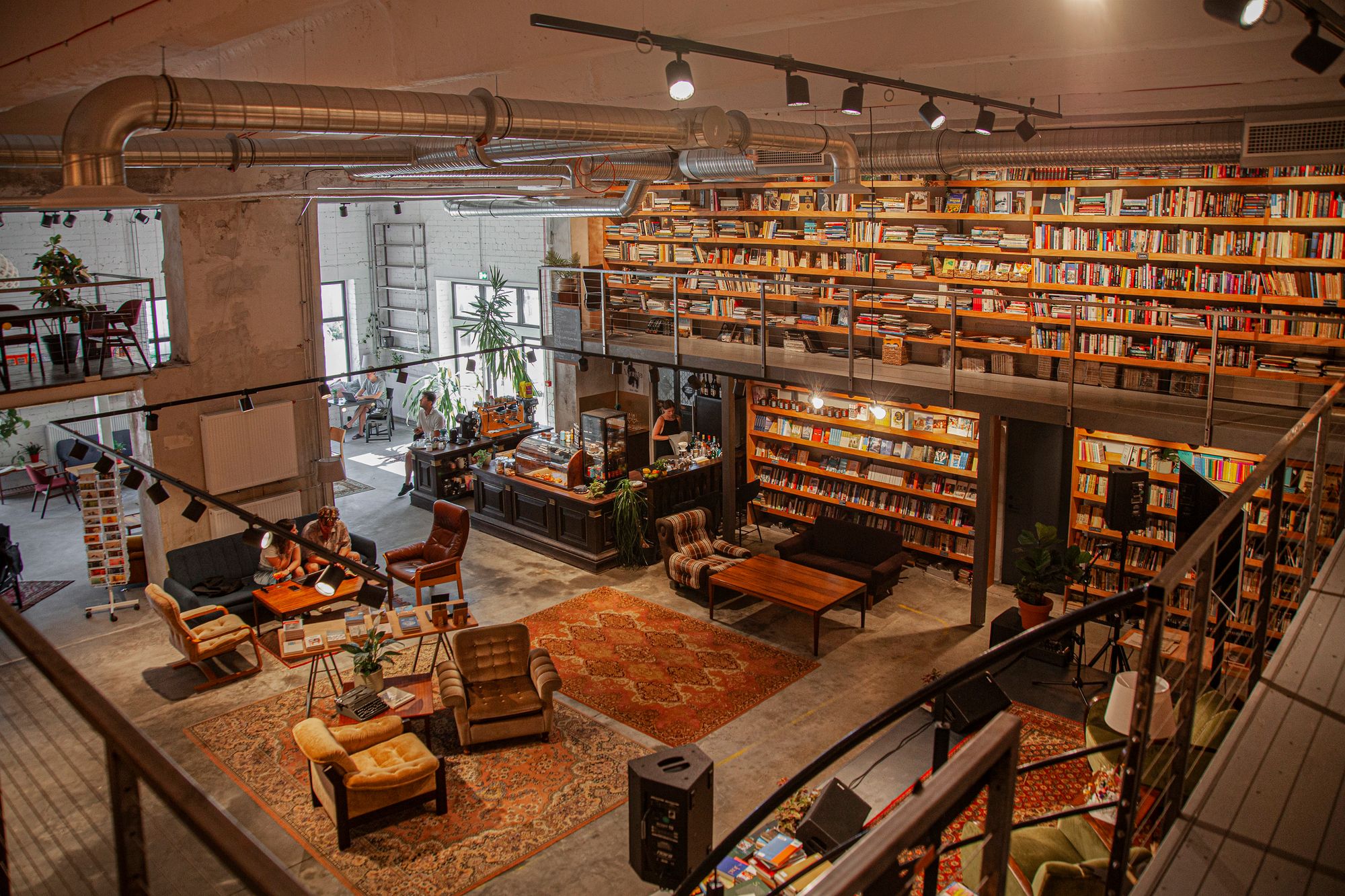
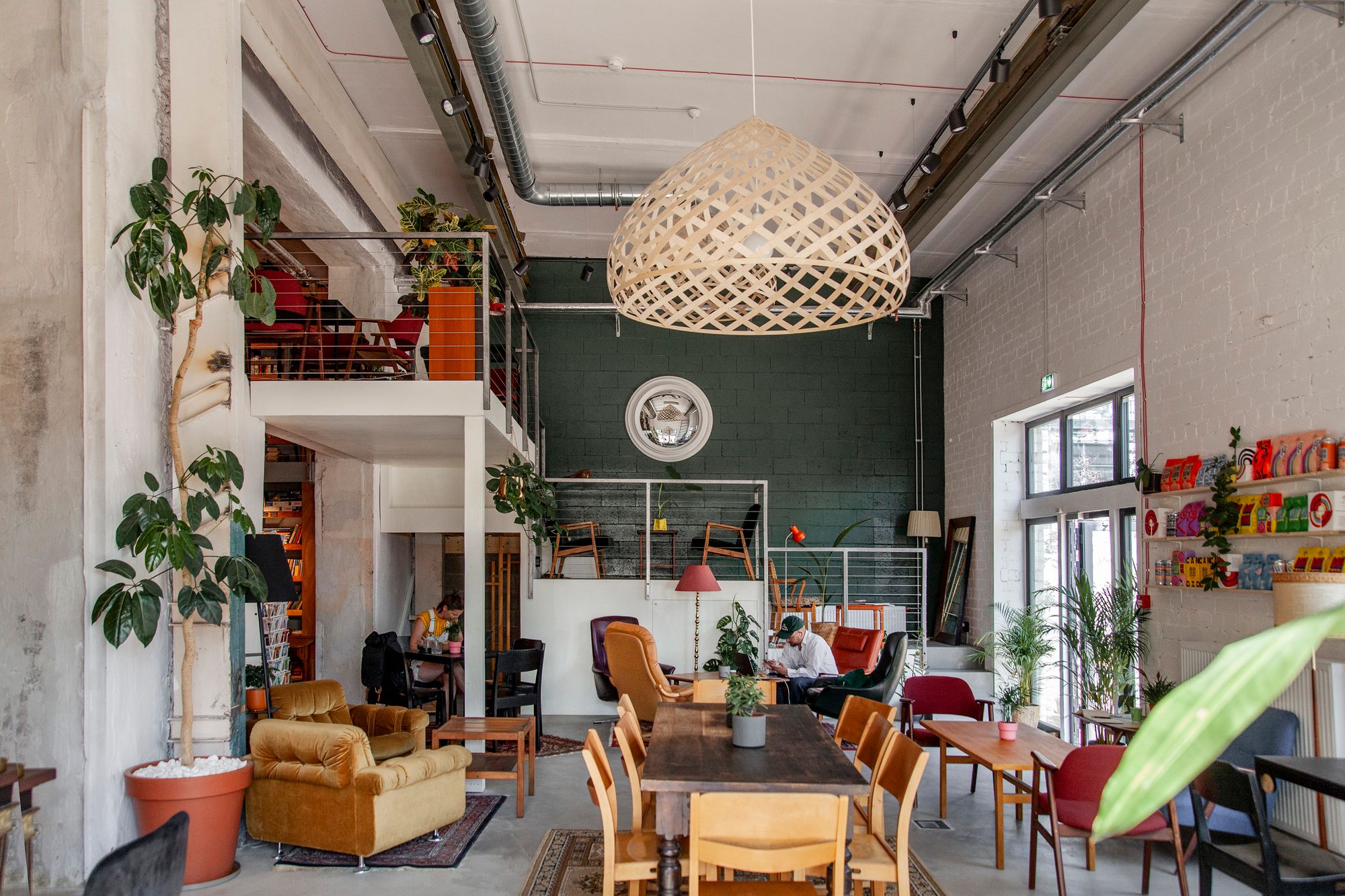
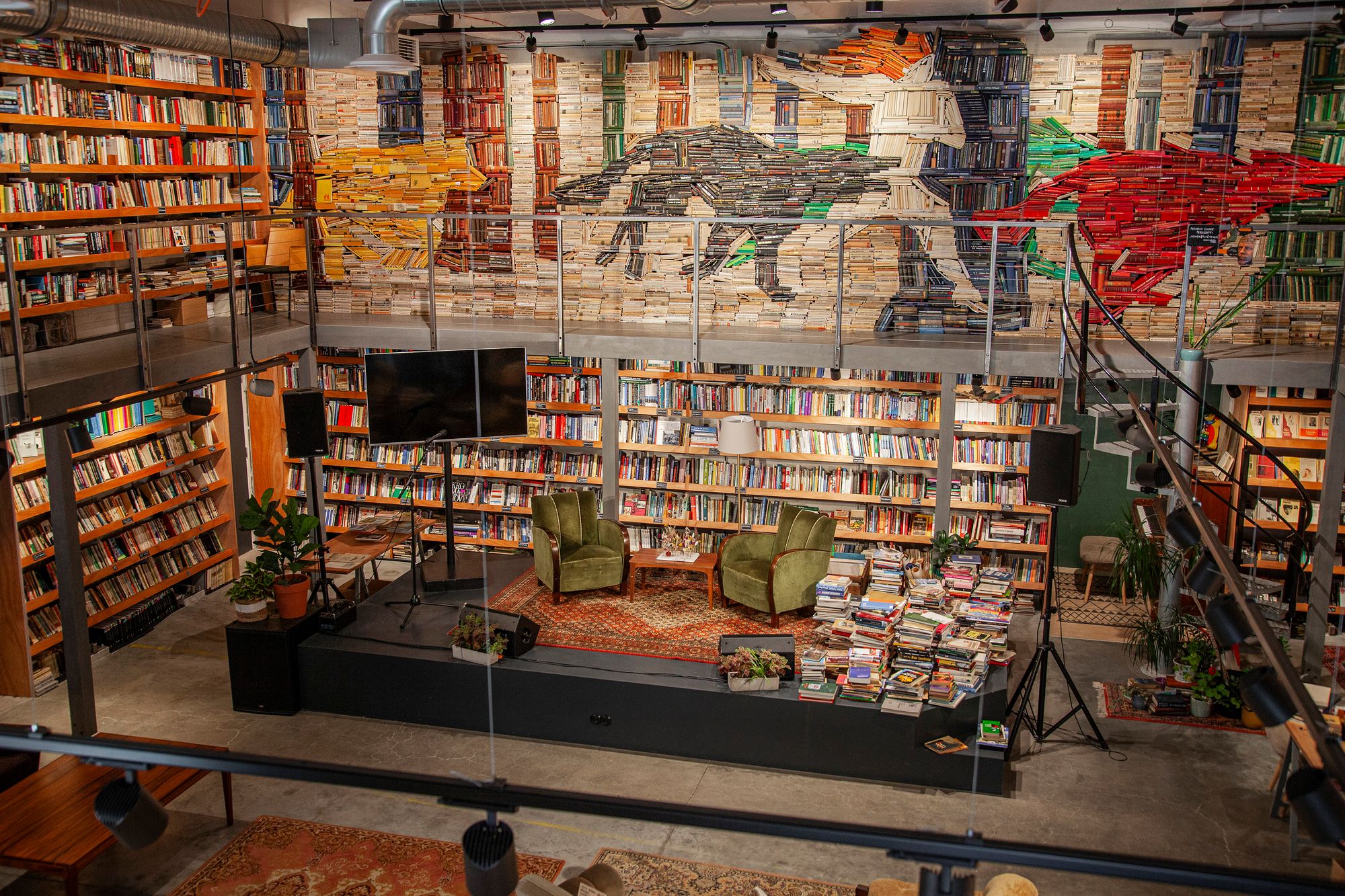
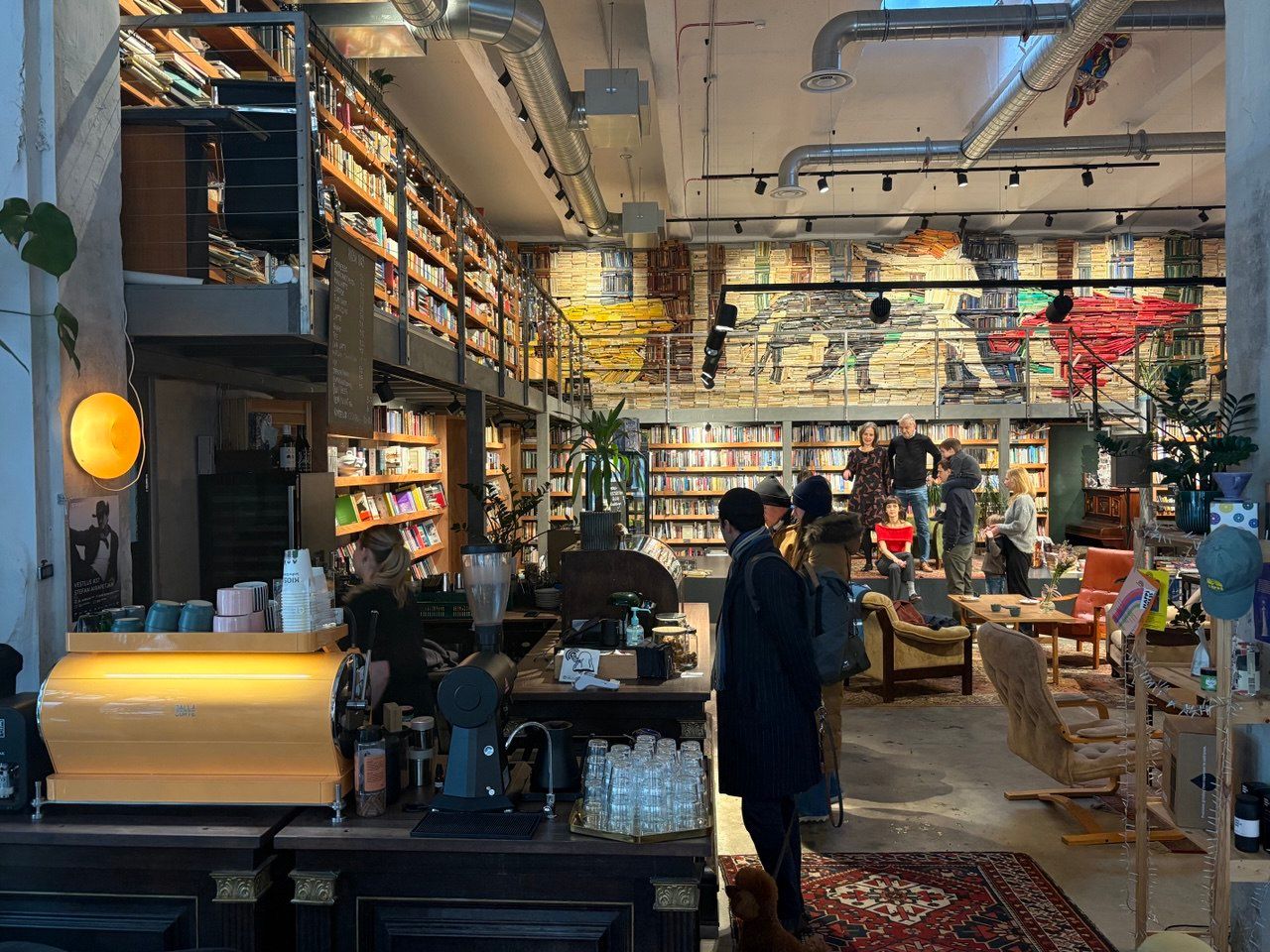
Notably, used books often prove to be a more profitable product, even when they are not antiquarian. Their margins frequently exceed those of new books by several times. This is especially significant in a period when prices are steadily rising, economic ties between countries are being disrupted, and the production of new books has become increasingly expensive.
Second-hand books, by contrast, are often acquired from the public at very low cost or even free of charge, and they do not involve the risk of unsold stock returns. There is also the so-called “treasure hunt” effect: when encountering second-hand books, customers often think, “This is a book I can only find here.” Many purchases are made impulsively, and visitors return repeatedly in search of new discoveries. At the same time, buying second-hand books aligns with contemporary ideas of sustainability and ecological responsibility.
This creates a compelling parallel: REaD is located in an industrial building that has been given a second life, while the bookstore itself gives a second life to books transforming them into part of an artistic and cultural experience.
As visitors step inside the store, they are immediately captivated by a large book panel created by Italian artist Federico Ellade Peruzzotti. The installation is composed of approximately 5,000 books and was inspired by Clarissa Pinkola Estés’ Women Who Run with the Wolves.
The shop’s building is filled with natural light and provides an ideal environment for remote work, a feature that has become especially relevant since the Covid pandemic. There is something undeniably romantic about working in such a beautiful space. Imagine being there on a winter day, when everything outside is covered in snow. You are sipping coffee, watching stylish visitors explore the shop, and taking breaks to browse the shelves or leaf through books.
As noted earlier, successful bookstores today function as multifunctional spaces, and REaD is no exception. In addition to book sales, the shop regularly hosts a variety of events, including live music performances.
An interesting and unconventional example of a bookstore is Budapest’s Magvető Café, which combines a literary café, a bookshop, and a cultural venue in one space.
Founded in 1955, Magvető Könyvkiadó, one of Hungary’s most prestigious publishers, extended into this café–bookstore format in 2017.
The book selection at Magvető Café primarily consists of titles published by Magvető itself, although a limited number of books from other publishers are also available.
The café attracts a large number of young people, including many students studying in Budapest. Its interior offers a variety of seating options, ranging from conventional tables to more informal arrangements such as wooden steps, encouraging both social interaction and longer stays. The welcoming atmosphere is complemented by coffee, fresh pastries, and homemade cakes, which further contribute to the café’s popularity.
Magvető Café functions as a genuinely multifunctional space, suitable for working, studying, holding business meetings, or simply relaxing. Its cultural program includes book presentations, literary workshops, concerts, and small-scale theatrical performances. In this way, Magvető Café exemplifies how bookstores can evolve into vibrant cultural hubs that extend far beyond the traditional act of selling books.
Author: Stanislav Andranovits
Photos provided by: Podpisnye Izdaniya and Põhjala Tehas

Belső ragyogás, külső szabadság | Sonia Zander és az odesszai könnyedség ereje

A Bond-főgonosz, aki megváltoztatta London látképét
